



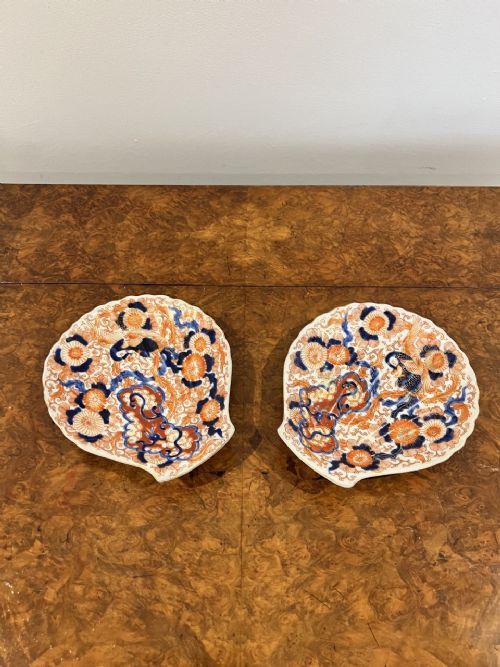
Cobalt Porcelain Pair
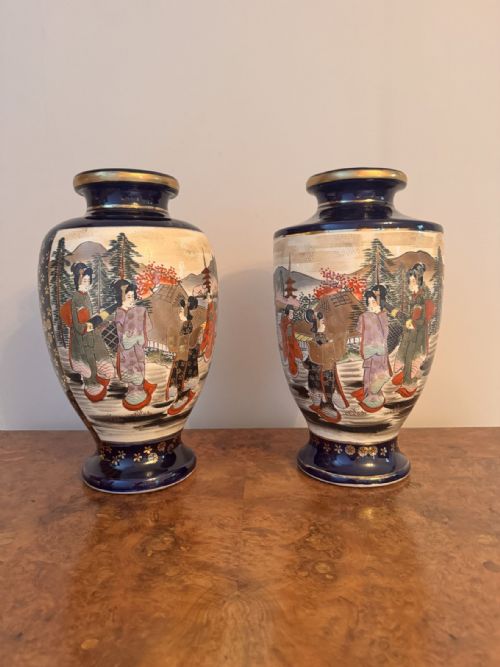
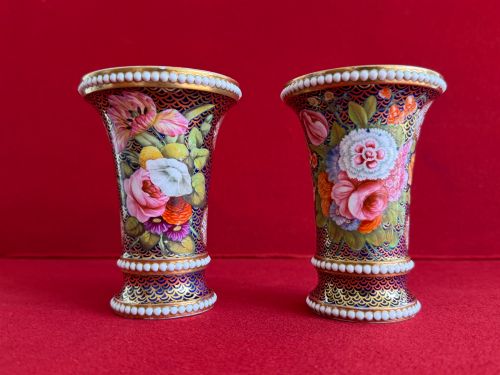
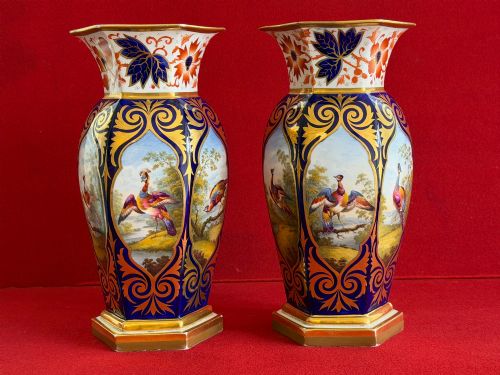
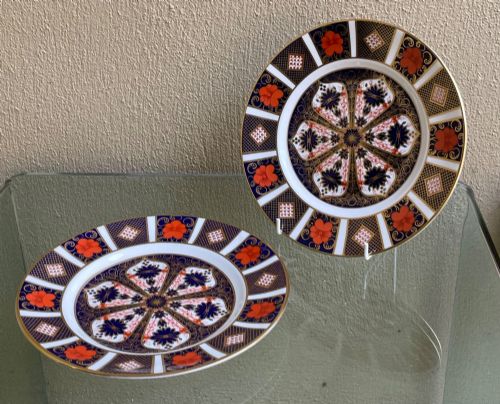
A cobalt porcelain pair delivers matching symmetry and deep blue colour, sought by collectors for mantelpieces and display cabinets.
Cobalt Porcelain Pair
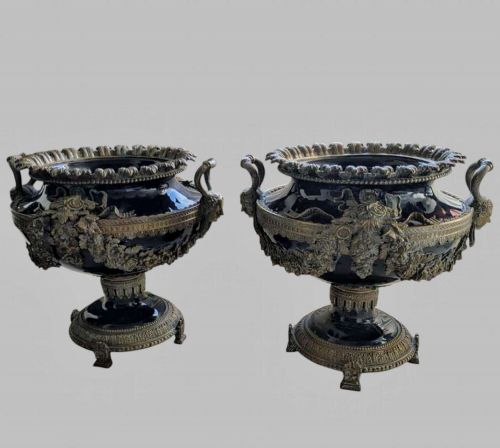
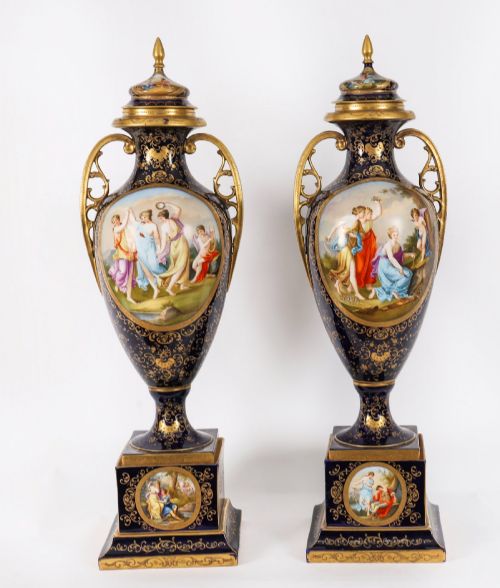
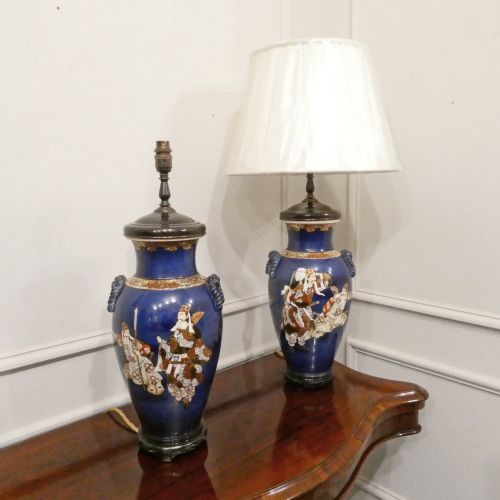
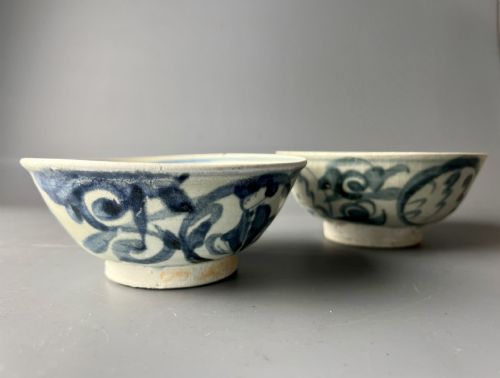
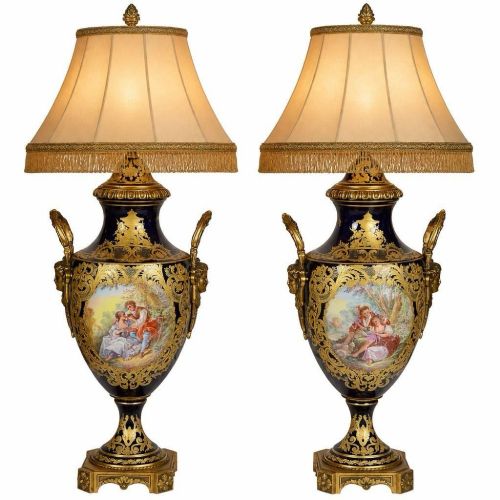
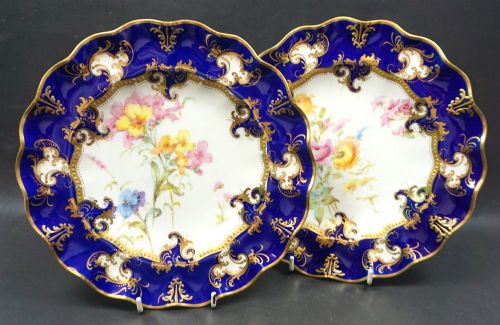
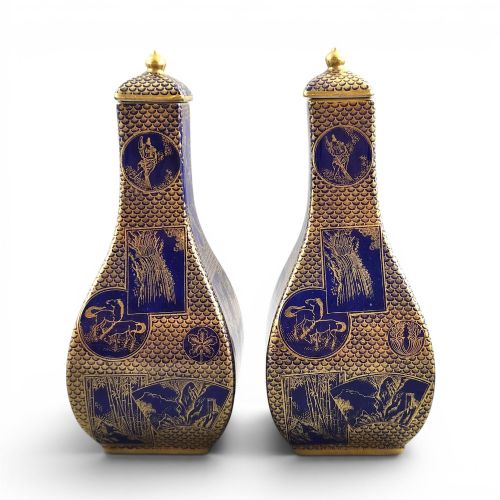
A cobalt porcelain pair consists of dual matching objects created from hard or soft paste ceramic, decorated primarily in rich blue pigments. Buyers searching for a cobalt porcelain pair encounter items ranging from Georgian and Victorian table wares to Japanese Imari chargers and French ormolu-mounted vases.
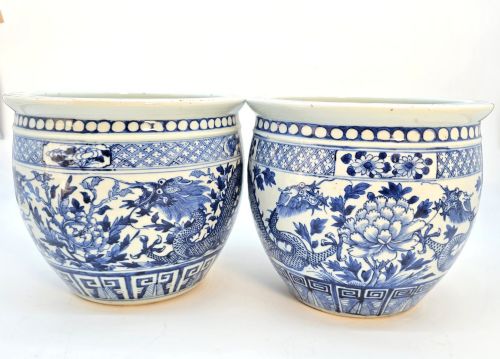
The selections span functional and decorative forms, including vases, lamps, jardinières, plates, and perfume bottles. Japanese Imari and Chinese blue and white pieces appear frequently alongside European works from English and French factories.
Originating from periods such as the Regency, Meiji, and Edwardian eras, these matched sets provide symmetrical balance for interior display. Each pairing demonstrates the historical global exchange of ceramic styles and cobalt glazing techniques.
Materials and Technique
Potters applied cobalt oxide pigments beneath or over the ceramic glaze to achieve the characteristic deep blue decoration before firing the clay at high temperatures. Many examples incorporate hand-painted details, enamel colours, and gold leaf highlights applied over the glaze.
European makers frequently combined porcelain bodies with cast gilt bronze or ormolu mounts, securing metal collars, bases, and handles around the ceramic vessels. Ironstone and traditional porcelain formations provided sturdy foundations for elaborate moulding and sculptural forms.
Some antique chargers depict legendary scenes featuring the Seven Lucky Gods sharing space with native birds.
Judging Quality
Quality rests upon the crispness of the cobalt painting, the precision of the matching between the two items, and the execution of any supplementary gilding or enamel work. Superior examples exhibit finely detailed brushwork, stable glaze surfaces, and securely fitted metal mounts without awkward gaps.
The reputation of the producing factory or workshop, whether Worcester, Derby, Sevres, or Arita kilns, influences the standing of the pieces. Consistency in shape and colour saturation across both objects marks the distinction between standard production items and exceptional commissions.
Flight Barr And Barr·Royal Crown Derby·John Ford·Mason·Jacob Petit·Darte Brothers·Coalport
The Cobalt Porcelain Pair Glossary
- Ormolu
- Gilt bronze mounts used to embellish European porcelain vessels and lamps. This technique involved applying a mercury and gold amalgam to cast bronze.
- Imari
- A style of Japanese export porcelain featuring underglaze blue and iron red, often supplemented with gold. Production centred around the town of Arita during the Edo and Meiji periods.
- Ironstone
- A patented ceramic body invented in the 19th century that offered durability resembling stone while accepting intricate cobalt and enamel decoration. It formed heavy domestic and decorative wares.
- Jardinière
- A large ceramic bowl or pot designed to hold growing plants or flower arrangements. These pieces frequently feature prominent blue glazes and matching stands or decorative rims.
- Bleu de Roi
- A deep royal blue ceramic ground colour developed at the Sevres porcelain factory. It provided a rich dark backdrop for subsequent gilding and painted panels.
Cobalt Porcelain Pair: Frequently Asked Questions
How do I care for my porcelain pair?
Dust porcelain and metal mounts gently with a soft dry cloth to prevent accumulation. Avoid abrasive cleaners or soaking items with gilt or ormolu elements.
Keep matched pairs away from direct sunlight and areas with high humidity to protect enamel colours and glazes. Handle each piece separately using both hands to support the base.
Were these pairs always sold together?
Most decorative items formed as pairs were designed, fired, and sold as matching sets from the outset. Workshops produced them simultaneously to ensure visual harmony in domestic displays.
Slight variations in hand-painted details often confirm that two individual pieces were created by the same hand during a single workshop session.
What is the difference between porcelain and ironstone?
Porcelain is a vitrified ceramic material made from kaolin and petuntse, fired at high temperatures until non-porous and translucent. It produces a sharp, ringing sound when tapped gently.
Ironstone is a heavy, opaque earthenware developed to imitate porcelain with greater durability. It utilises refined clay and slag, resulting in a denser and thicker body suited for large vessels.