





Cobalt Ironstone Pitcher
A cobalt ironstone pitcher brings sturdy utility and vibrant blue patterns to the table, offering a robust centrepiece for daily service or display.
Cobalt Ironstone Pitcher
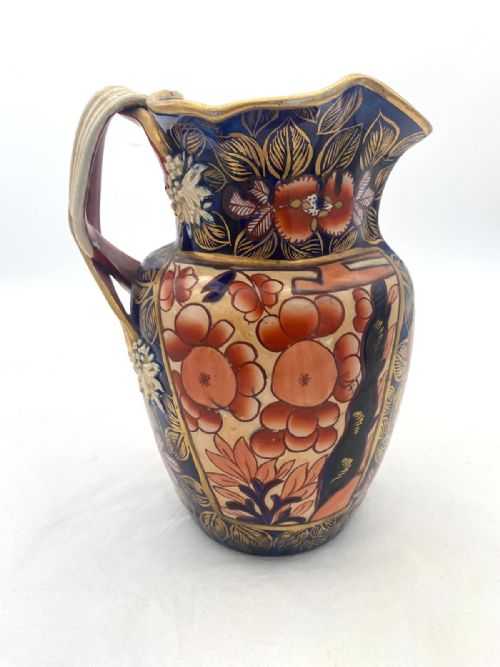
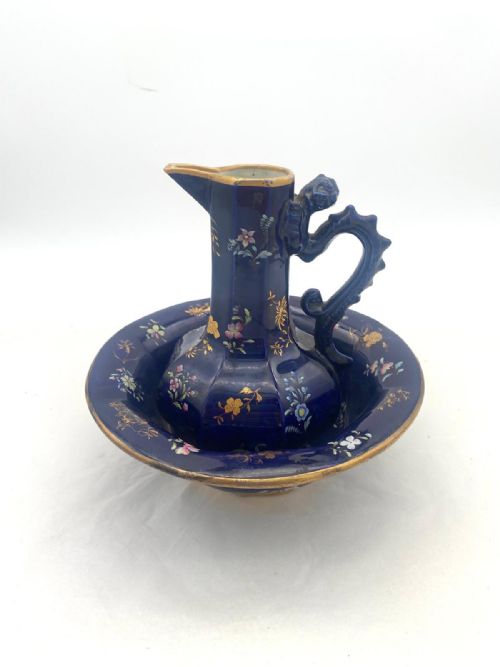
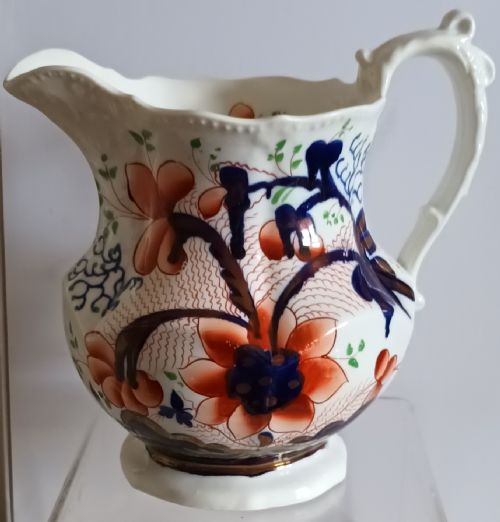
A cobalt ironstone pitcher sits firmly within the tradition of heavy domestic ceramics produced during the nineteenth century, drawing on Georgian and Victorian design influences. These vessels encompass robust jugs, ewers, and basin sets adorned with deep blue pigmentation.
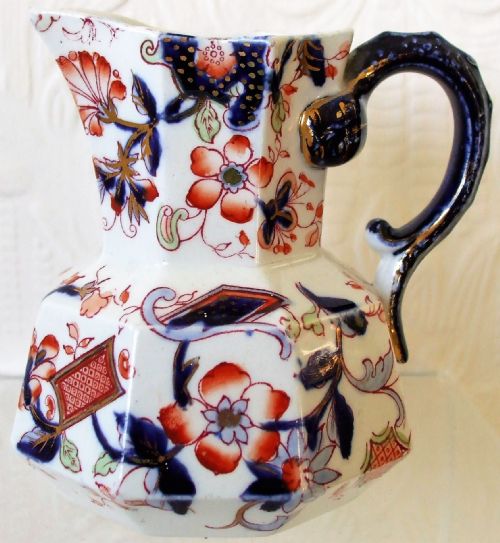
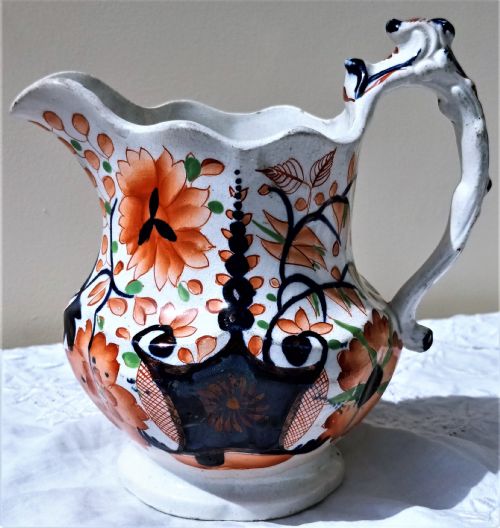
Most examples found here date from the nineteenth century, featuring styles such as Chinoiserie and patterns like Gaudy Welsh or the Schoolhouse design. Collectors encounter forms ranging from miniature vessels to large basin sets intended for washstands.
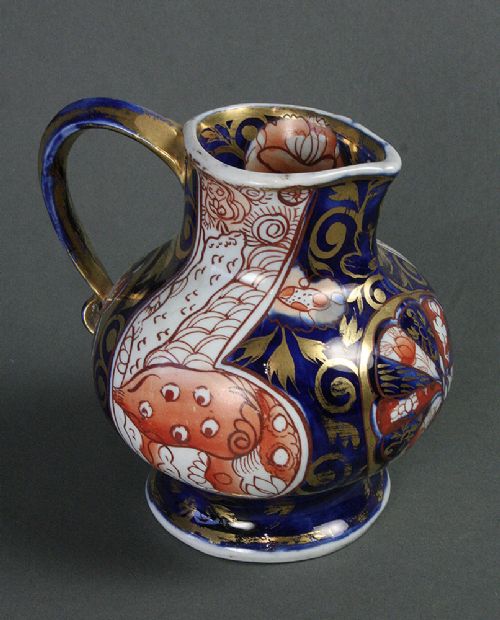
Makers such as Mason's dominate the production, employing ironstone body types that provide durability alongside refined decorative qualities. The combinations of cobalt ground with enamel and gilt accents define the visual character of these pieces.
Materials and manufacture
Potters formed these pitchers using ironstone, a dense earthenware body patented to withstand rigorous kitchen and dining use while mimicking porcelain. This heavy ceramic base allowed for crisp moulding of complex shapes like serpent handles and octagonal bodies.
Glaze and enamel were applied over the fired ceramic body, sealing the surface and carrying deep cobalt blue pigments. Additional touches of gold leaf or gilt often highlighted moulded details and rims.
Firing techniques of the nineteenth century ensured the ironstone matured into a vitrified mass, upon which cobalt transfers and hand-painted enamels fused permanently under the glaze.
Cobalt Ironstone Pitcher Retail Price Guide 2026
Typical asking prices for cobalt ironstone pitcher among the pieces listed under this phrase on Sellingantiques today, from the lower quarter to the upper quarter. They describe what is for sale here now, not the wider market.
Listings span the nineteenth century, incorporating Victorian and Georgian periods alongside ironstone, enamel, and glaze materials.
Judging quality and execution
The precision of pattern registration, whether transfer-printed or hand-painted with enamel and gold leaf, distinguishes finer items from standard kitchenware. Rich, saturated cobalt tones and minimal blurring in the glaze elevate an example.
Mason s Ironstone·Keeling and Co
The Cobalt Ironstone Pitcher Glossary
- Ironstone
- A heavy, durable ceramic body patented in the nineteenth century to provide a tough alternative to porcelain. It forms the solid foundation of these pitchers.
- Hydra
- A classical serpentine handle shape featuring scrollwork and serpent heads, frequently seen on nineteenth-century jugs. This motif adds sculptural interest to the vessel.
- Cobalt
- A deep blue mineral oxide used as a pigment under the glaze. It delivers the intense coloration characteristic of these wares.
- Chinoiserie
- A decorative style reflecting European interpretations of East Asian artistic traditions. It appears on many nineteenth-century patterns.
- Gilt
- A thin layer of gold applied to ceramics for surface decoration. It accents rims, handles, and pattern details.
Cobalt Ironstone Pitcher: Frequently Asked Questions
What is an ironstone pitcher?
An ironstone pitcher is a heavy ceramic jug made from a dense, durable earthenware body designed for practical household service.
These pieces combine functional strength with decorative blue patterns and moulded handles suited for daily use.
How were these pitchers used?
Households utilised these vessels for pouring liquids at the table or as part of washstand basin sets for personal hygiene.
Larger examples served water or beverages, while smaller jugs handled cream or water for washing.
How do I date a pitcher?
Dating relies on stylistic clues, pattern names, and maker marks stamped or printed on the ceramic base.
Nineteenth-century pieces often feature specific moulded shapes like serpent handles and distinct transfer-printed Chinoiserie motifs.
How should I clean my pitcher?
Wash the ceramic gently in warm water using mild soap, avoiding harsh scouring pads that might scratch the glaze.
Careful hand washing preserves the delicate enamel details and any gold leaf highlights present on the surface.