





Cobalt Ironstone Jug
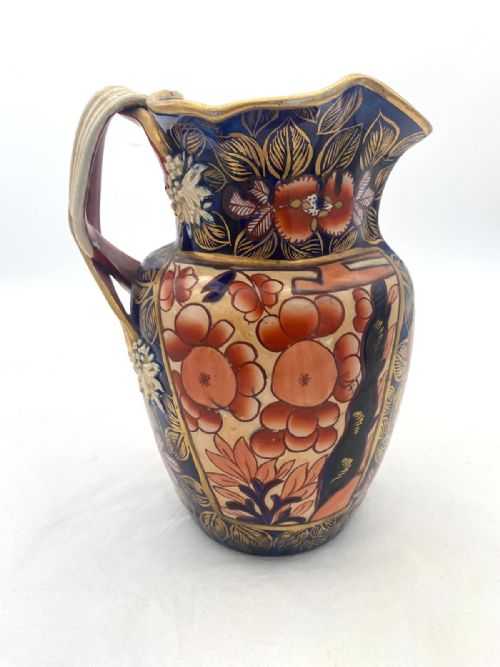
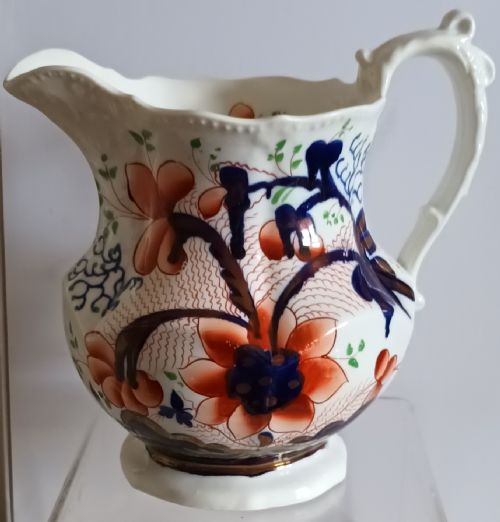
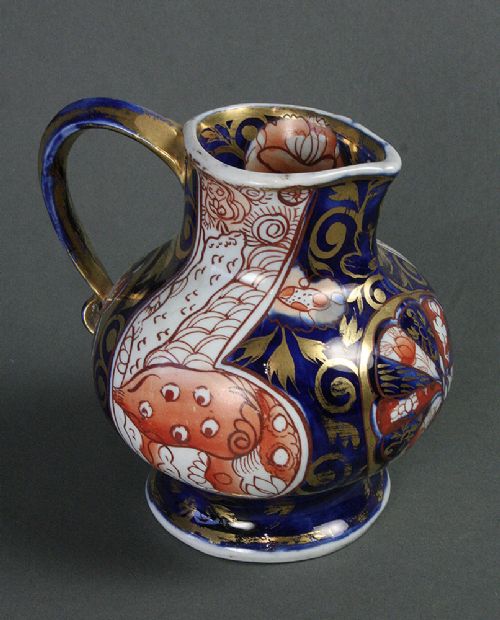
These cobalt ironstone jug examples bring heavy-bodied ceramic utility and striking blue decoration to a room, offering robust display value for the serious collector.
Cobalt Ironstone Jug
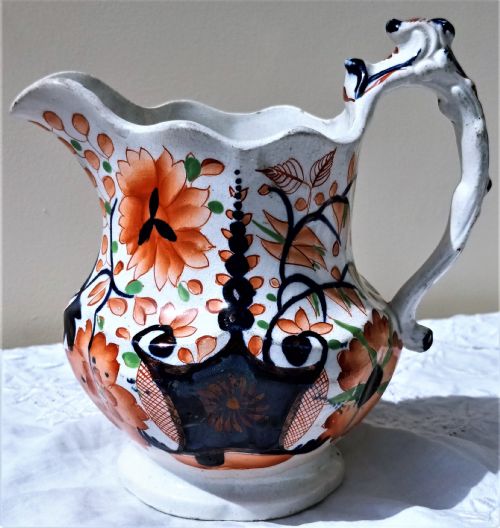
A cobalt ironstone jug represents a sturdy ceramic vessel designed for domestic service, featuring deep blue decorative schemes across bodies of ironstone, earthenware, and pottery. The listings here contain nineteenth-century examples, spanning Georgian, Regency, and Victorian periods alongside specific styles like Victorian Chinoiserie.
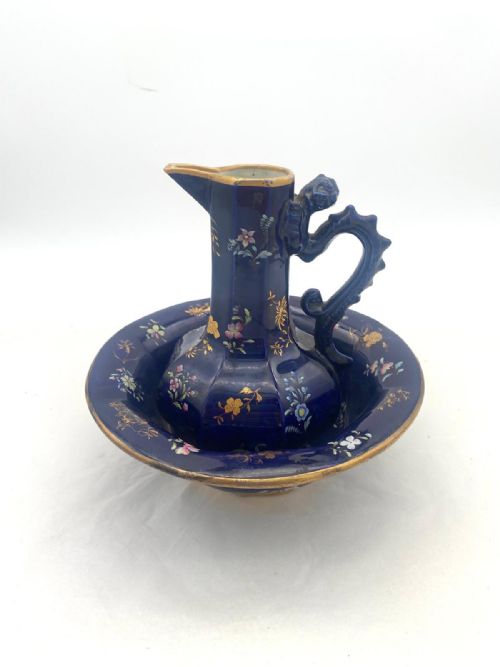
Buyers will encounter various forms including pitchers, ewers, miniature vessels, and large jug and basin sets. The decorative patterns recorded include Bethesda, Pagoda, Aberaeron, Mazarine, Schoolhouse, Hydra, and Elephants Foot.
Origins span English production centres, with notable pieces carrying specific factory attributions from makers such as Keeling and Co. and Mason's. These objects serve as both functional items of nineteenth-century tableware and decorative focal points.
How they were made
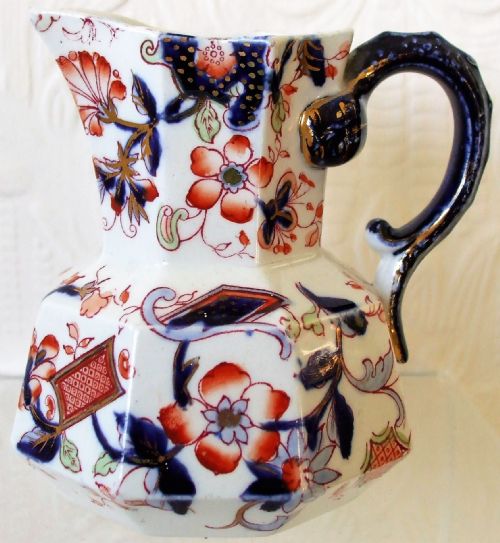
The manufacture relies on heavy ceramic bodies like ironstone and earthenware, shaped into forms such as octagonal pitchers and grotesque-handled ewers. Potters applied rich cobalt blue grounds and enamels to the fired ceramic surface.
Selected examples receive additional enrichment through gold leaf and gilt highlights applied over the glaze. These techniques combine dense ceramic potting with vibrant cobalt pigments characteristic of nineteenth-century production.
Cobalt Ironstone Jug Retail Price Guide 2026
Typical asking prices for cobalt ironstone jug among the pieces listed under this phrase on Sellingantiques today, from the lower quarter to the upper quarter. They describe what is for sale here now, not the wider market.
Listings feature nineteenth-century ironstone and earthenware, spanning Georgian, Victorian, and Regency periods alongside Chinoiserie styles.
What varies in quality
Quality differentiates through the crispness of the cobalt blue ground and the complexity of the transfer-printed or hand-painted patterns such as Chinoiserie and specific named topographical motifs. The execution of sculptural elements like grotesque handles and hydra-form spouts marks the standard of the modeller's work.
The integration of precious surface details such as gold leaf and gilt embellishments separates standard utilitarian kitchenware from high-status display pieces produced by leading potteries. Scale also dictates quality, ranging from miniature specimens to large jug and basin sets.
Keeling and Co.·Mason's Ironstone
The Cobalt Ironstone Jug Glossary
- Ironstone
- A heavy, durable type of earthenware patented in the nineteenth century to imitate Chinese porcelain. It provides a strong, opaque body for domestic jugs and ewers.
- Hydra jug
- A vessel featuring a snake-like or serpentine handle and a flared spout, named after the classical mythological beast. This shape appears frequently in early nineteenth-century production.
- Cobalt blue
- A deep blue metallic oxide pigment used under the glaze to create rich, permanent colour on ceramics. It withstands high firing temperatures without losing intensity.
- Chinoiserie
- A European decorative style interpreting Chinese artistic traditions. It manifests on these jugs through pagoda motifs and exotic landscape scenes.
- Gilt
- A thin layer of gold applied to the ceramic surface for decoration. It highlights rims, handles, and pattern details on formal nineteenth-century pieces.
Cobalt Ironstone Jug: Frequently Asked Questions
What is a cobalt ironstone jug?
A cobalt ironstone jug is a durable nineteenth-century ceramic vessel decorated with rich blue pigment, utilised for serving liquids or as a decorative display piece in the home.
These items range from miniature decorative examples to large ewers and basin sets, often featuring named patterns like Bethesda or Pagoda.
How do I date a jug?
Dating relies on stylistic markers such as Regency or Victorian Chinoiserie designs, alongside specific factory marks stamped into the ceramic body by nineteenth-century potteries.
Material composition, including the density of the ironstone and the application of gold leaf or gilt, also assists in placing the piece within the Georgian or Victorian eras.
Were these jugs used daily?
Many of these vessels served practical functions in nineteenth-century households for carrying water or milk, while larger matching jug and basin sets stood in bedrooms for washing.
Finer decorated pieces with extensive cobalt grounds and gilt work often functioned primarily as decorative ornaments on sideboards and mantelpieces.
How should I display my jug?
These ceramic pieces suit placement on open shelves, sideboards, or within cabinets where their strong cobalt blue patterns and sculptural handles are clearly visible.
Ensure they rest on stable, flat surfaces away from heavy foot traffic to protect the ceramic body and any delicate gilt details.