

Cobalt Glaze Pottery
Cobalt glaze pottery brings together deep blue mineral pigments and fired earth in chargers, jugs, and vases spanning multiple centuries.
Cobalt Glaze Pottery
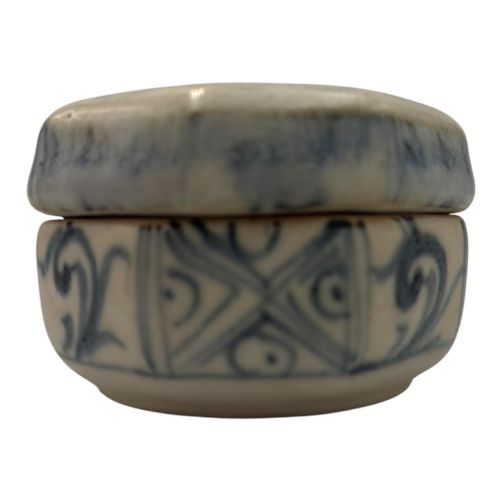
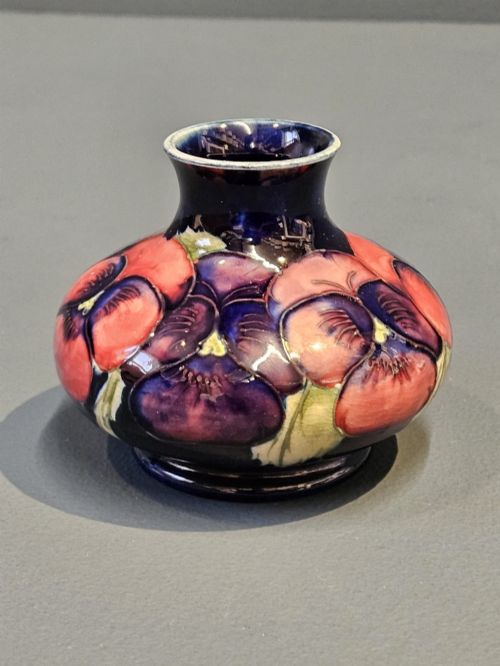
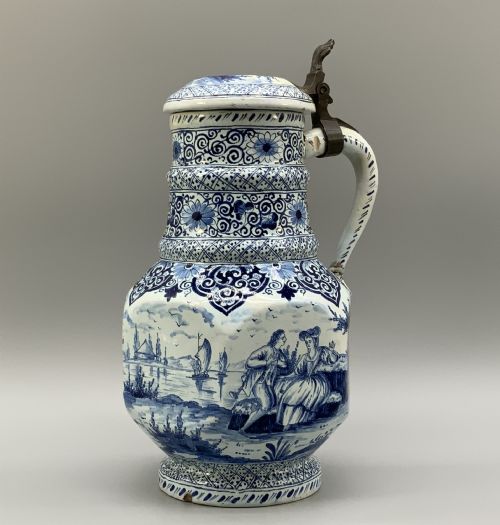
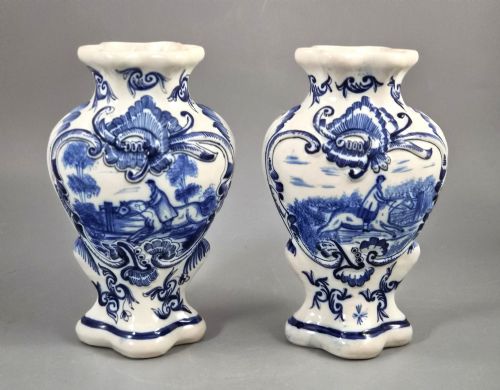
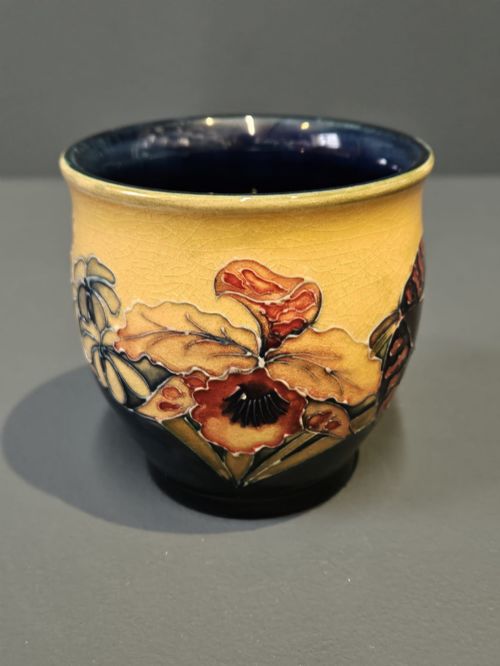
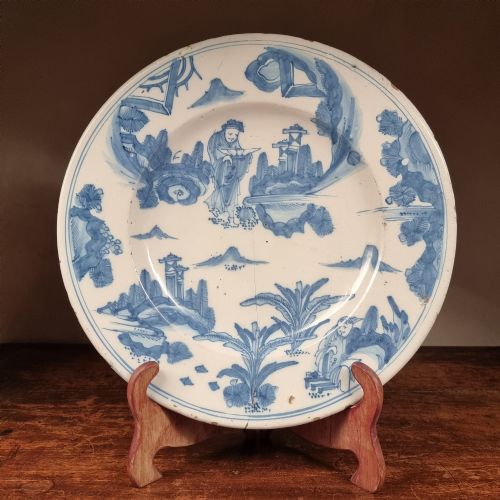
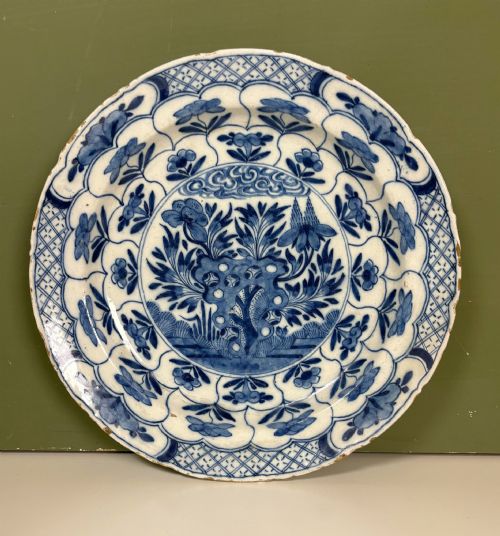
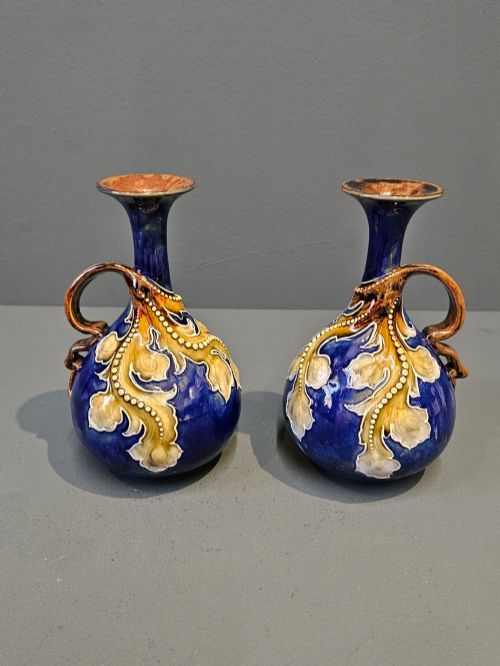
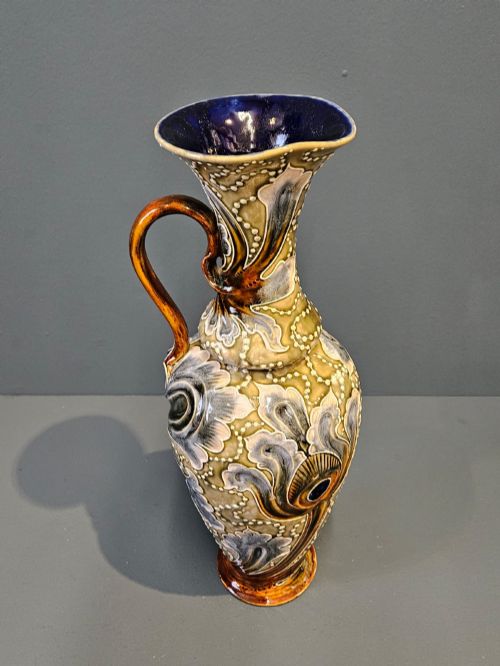
When you search for cobalt glaze pottery, you encounter centuries of blue and white ceramics ranging from seventeenth-century Dutch Delft chargers to Victorian Doulton Lambeth ware and Moorcroft vases.
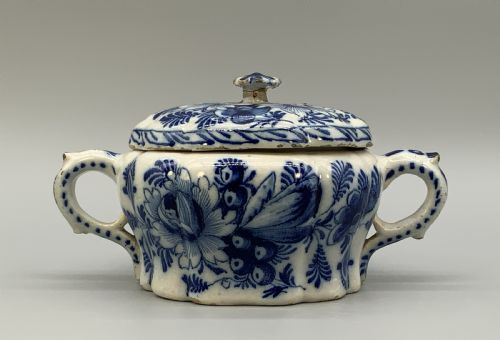
The versions you meet most frequently on this page are eighteenth-century Delft bowls, plates, and posset pots, alongside nineteenth-century Staffordshire figures and jugs featuring rich blue coloration.
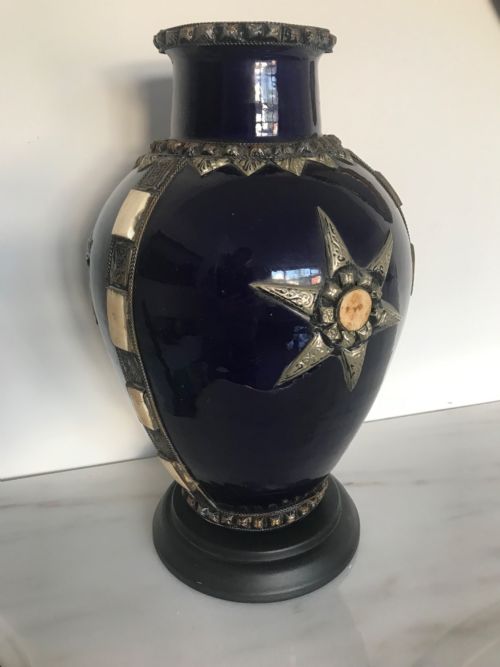
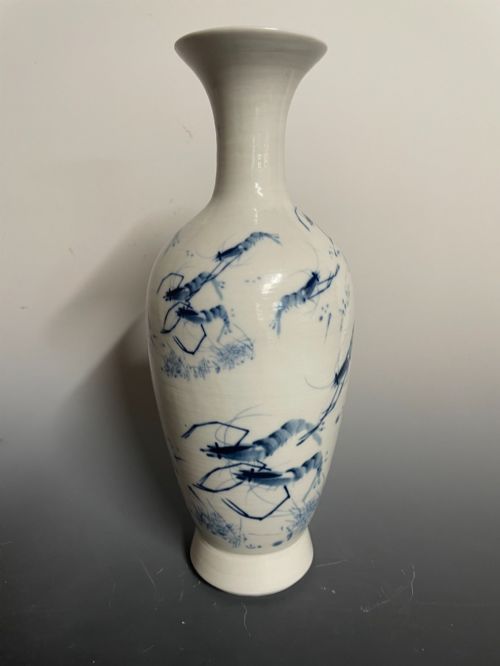
Makers shaped these pieces across diverse global traditions, including English, Dutch, Chinese, Japanese, and Moroccan workshops, utilising earthenware, stoneware, and tin glaze.
How They Were Made
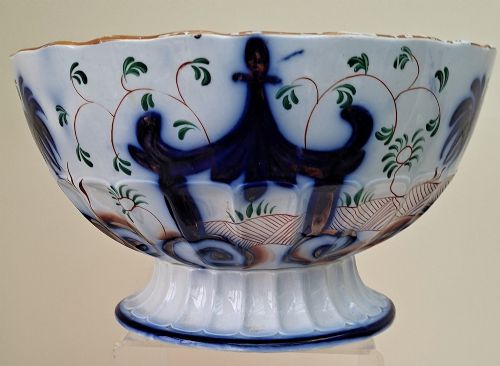
Potters applied cobalt oxide and cobalt pigment directly onto earthenware, terracotta, or ceramic bodies before adding glazes to achieve the characteristic deep blue decoration.
Many items underwent high-temperature firing in kilns, sometimes incorporating salt glaze techniques or tin glaze opacification to bind the mineral pigments permanently to the clay.
Listings feature items from the seventeenth, eighteenth, nineteenth, and twentieth centuries, employing earthenware, stoneware, and tin glaze.
What Varies in Quality
The fineness of the hand-painted brushwork and the clarity of the cobalt pigment against the white or terracotta ground define the visual impact of each vessel.
Execution of sculptural details, such as moulded reliefs, pewter lidded mounts, or applied silver cabochons, distinguishes standard utilitarian wares from ambitious decorative display pieces.
Fourmaintraux Courquin·Doulton Lambeth·Moorcroft·Minton
The Cobalt Glaze Pottery Glossary
- Cobalt Oxide
- A mineral compound used as a pigment to produce deep blue coloration on ceramics during firing. It reacts with kiln heat to yield distinct shades.
- Tin Glaze
- A white opaque glaze containing tin oxide that provides a smooth surface for hand-painted blue designs. It characterises European faience and Delftware.
- Salt Glaze
- A vitreous coating formed by throwing common salt into the kiln during high-temperature firing. This creates a textured, pebbled surface on stoneware.
- Posset Pot
- A multi-handled vessel used historically for drinking spiced hot milk curdled with ale or wine. Examples often feature blue and white floral decoration.
- Charger
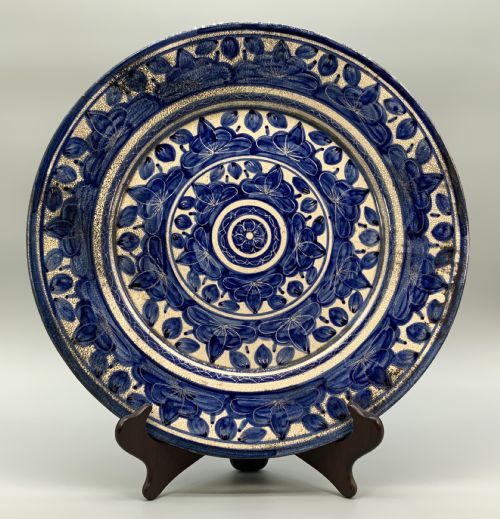
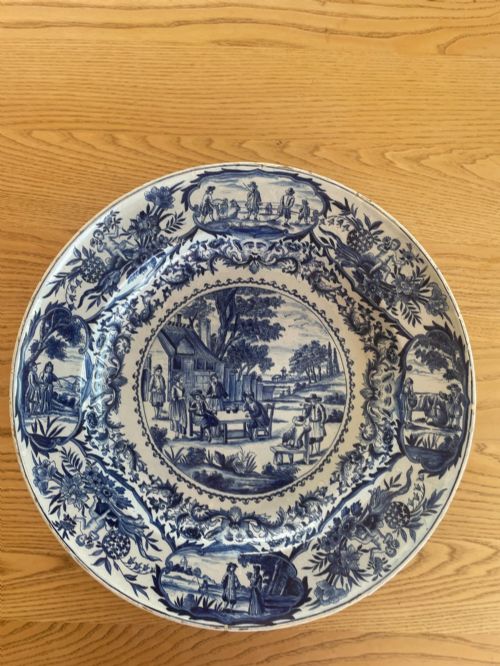
- A large decorative plate intended for display on a wall or dresser rather than dining use. These wide surfaces often showcase elaborate painted scenes.
Cobalt Glaze Pottery: Frequently Asked Questions
How do I date antique delftware?
Examine the glaze consistency, body weight, and painting style to estimate the manufacturing era. Earlier pieces often display thicker tin glazes and looser floral motifs.
Changes in palette and foot-ring construction over the seventeenth and eighteenth centuries further help distinguish production periods.
What is the difference between earthenware and stoneware?
Earthenware is fired at lower temperatures and remains porous unless glazed. Stoneware uses denser clay fired until vitrification occurs, rendering it non-porous.
Stoneware handles moisture and heavy use naturally, while earthenware relies entirely on surface seals.
Where were salt glaze jugs made?
German and English kilns produced the majority of historical salt-glazed vessels. Westerwald workshops specialised in grey stoneware featuring cobalt blue incised patterns.
English potteries later adopted similar techniques for utilitarian and decorative containers.
How should I display heavy chargers?
Support large plates with sturdy wall brackets or dedicated plate stands designed for heavy ceramics. Ensure the weight rests securely on the base rather than the rim.
Keep display locations away from direct sunlight and high foot traffic areas.