








Cobalt Glass Bowl
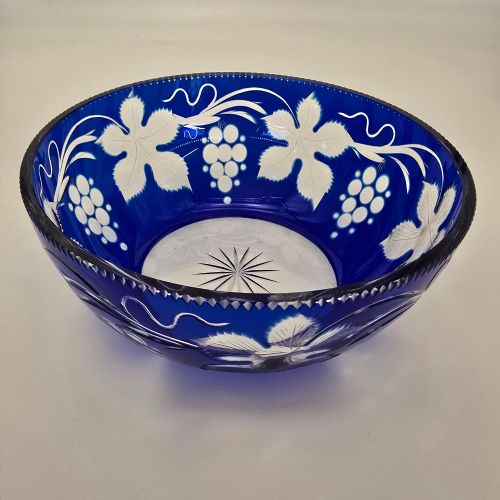
A cobalt glass bowl brings a deep, rich colour to the table, pairing rich blue glass with precious metals and crystal.
Cobalt Glass Bowl
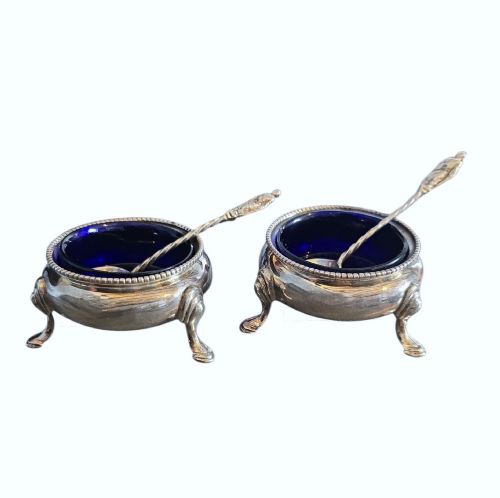
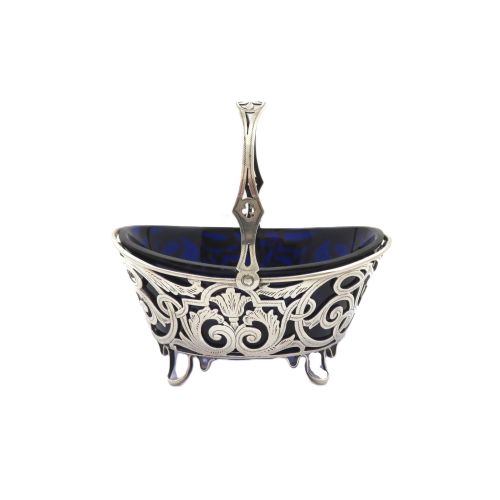
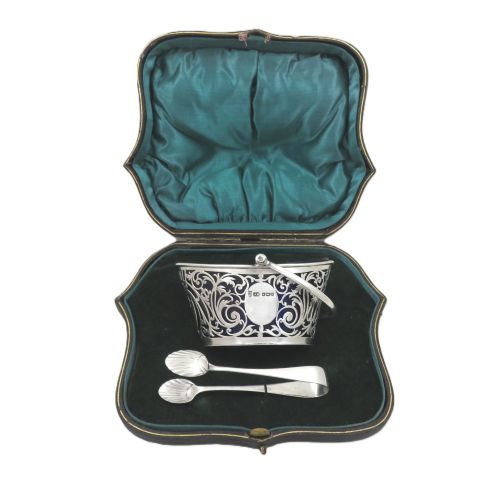
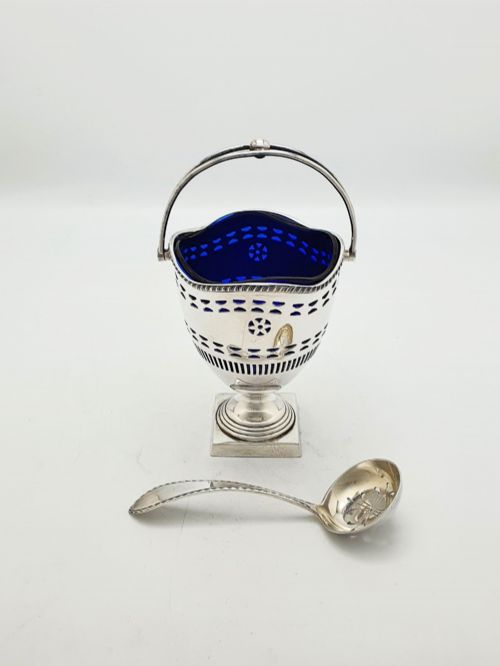
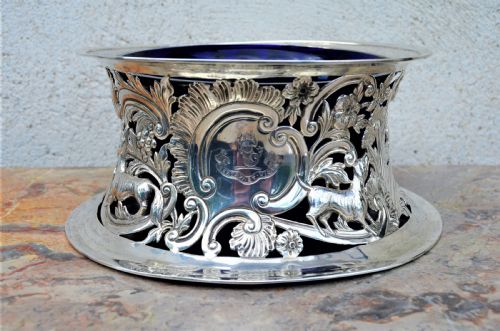
A cobalt glass bowl appears in various historical forms, ranging from small table salt cellars and cream jugs to large decorative centrepieces and sugar baskets. These vessels serve both decorative and functional roles across domestic interiors.
The pieces span several periods, including the eighteenth century, the Victorian era, the Edwardian period, and the Art Deco years of the nineteen-thirties. Georgian and Victorian examples frequently incorporate sterling silver mounts, frames, or liners.
Buyers will encounter items originating from English, French, German, and Belgian workshops. Bohemian glassmakers also contribute notable examples of blue and clear glass fabrication.
Factors influencing quality
The precision of the silver mounts and the weight of the glass determine the distinction between standard and superior pieces. Cast floral handles and intricate pierced silver work indicate higher manufacturing effort.
The depth and clarity of the cobalt coloration affect visual appeal. Distinct separation between layered crystal layers in later art deco items shows superior execution by designers like Joseph Simon.
Cobalt Glass Bowl Retail Price Guide 2026
Typical asking prices for cobalt glass bowl among the pieces listed under this phrase on Sellingantiques today, from the lower quarter to the upper quarter. They describe what is for sale here now, not the wider market.
Listings incorporate items from the eighteenth, nineteenth, and twentieth centuries, spanning Georgian, Victorian, Edwardian, and Art Deco design styles.
Beare Falcke·Aldridge and Green·Joseph Simon for VSL·Makeig Jones Wedgwood
The Cobalt Glass Bowl Glossary
- Cobalt glass
- Glass coloured through the addition of cobalt oxide during the melting process. This produces a characteristic intense blue hue seen in tableware and decorative objects.
- Salt cellar
- A small open vessel used to hold salt at the dining table. These frequently feature blue glass liners held within sterling silver frames.
- Sugar basket
- A footed or handled container designed for serving lump sugar. Georgian and Edwardian examples often employ pierced silver frames with cobalt glass inserts.
- Monteith
- A bowl with a scalloped or notched rim historically used for chilling wine glasses. Georgian versions occasionally incorporate blue glass elements.
- Comport
- A raised dish or bowl used for serving fruit or sweets on a table. Art deco variants utilise heavy blue glass moulded in figural forms.
Cobalt Glass Bowl: Frequently Asked Questions
How were cobalt glass bowls used?
These vessels served functional roles on dining tables, holding sugar, salt, or cream alongside tea and dinner services. Larger examples functioned as decorative centrepieces or confectionary dishes.
Over time, their domestic use shifted towards decorative display, particularly for items encased in intricate silver baskets or frames.
How do I date a silver and glass piece?
Silver components usually bear hallmarks indicating the assay office, year, and maker. These stamps provide a reliable date for the metal mount.
Stylistic indicators such as Georgian piercing, Victorian cast floral handles, or Art Deco moulded shapes help date the glass body itself.
Are liners interchangeable between bowls?
Liners are generally bespoke to their original metal frames due to manual glassblowing and silver assembly methods. Minor variations in diameter and depth prevent reliable swapping.
Matching the glass insert to its specific silver basket ensures a correct and secure fit.
How should I clean cobalt glass?
Warm water and mild soap suffice for routine cleaning of both the glass and any attached silver mounts. Abrasive cleaners damage the surface of the glass and scratch softer silver components.
Removing glass liners from silver frames prior to cleaning prevents trapped moisture and protects vintage joints.