

Cobalt Blue White Dish
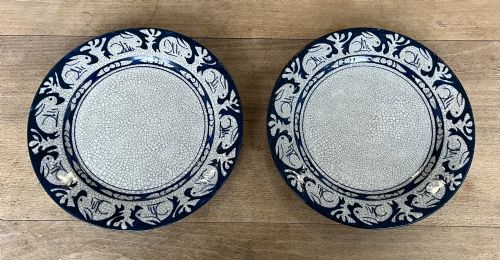
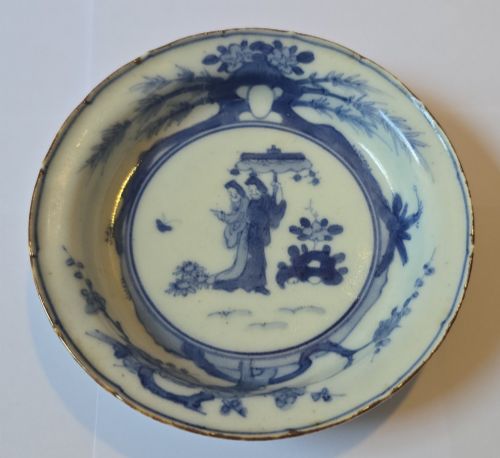
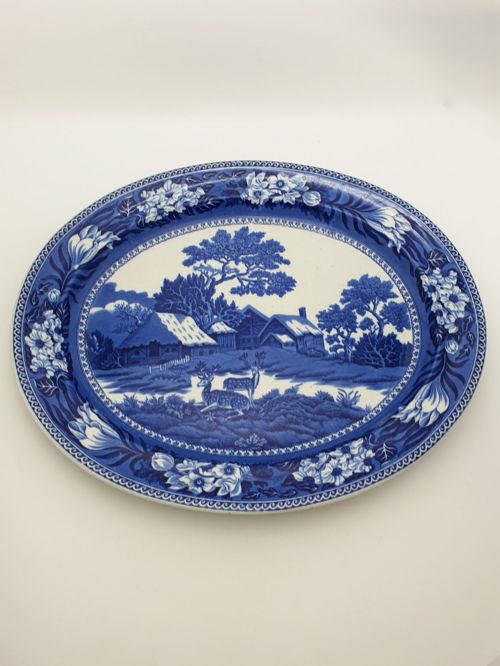
Cobalt blue white dish examples range from early Chinese export porcelain to English transferware plates and chargers.
Cobalt Blue White Dish
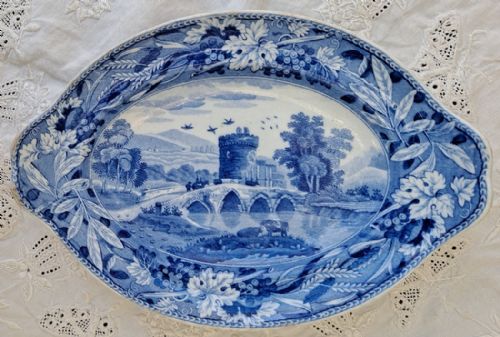
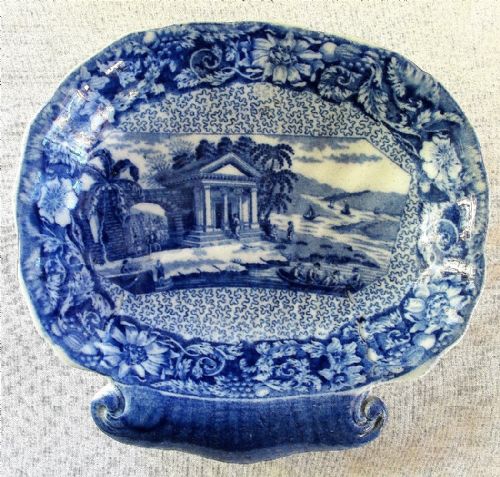
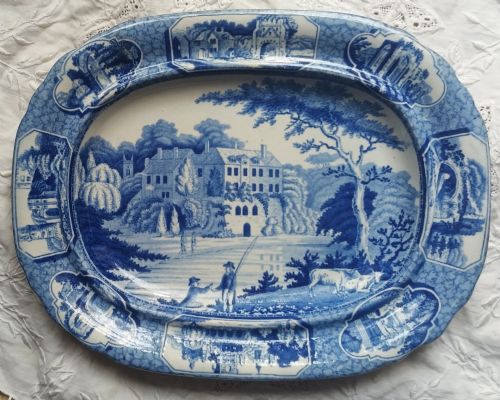
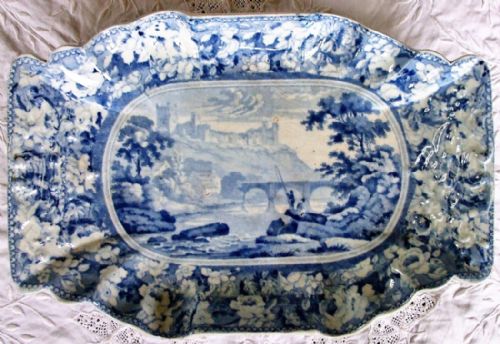
When you search for a cobalt blue white dish, you encounter a broad selection of ceramic vessels created for serving and display across multiple centuries. The objects span utilitarian plates and saucers to grand chargers, tureens, and shallow bowls.
The versions met most frequently on this page originate from English potteries utilising transfer printing alongside imported East Asian porcelain and European tin-glazed earthenwares. These pieces cross periods from the seventeenth century through the Victorian era and into the early twentieth century.
Form follows function closely within this category, moving from flat dinner plates and asparagus dishes to deep bowls and large chargers designed for wall hanging or centrepiece display. Each piece demonstrates the enduring appeal of deep blue pigment applied against a white ceramic ground.
Materials and production techniques
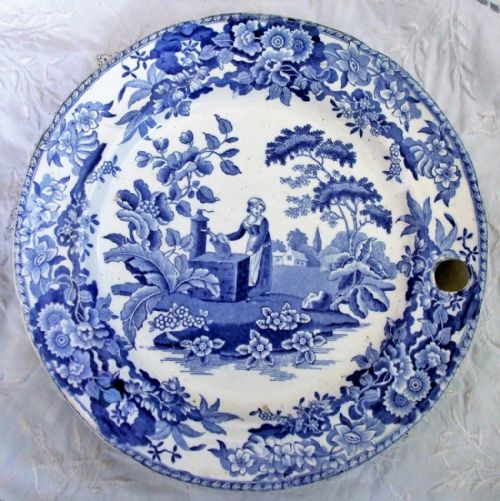
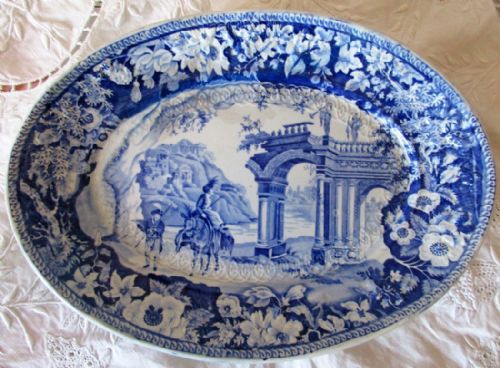
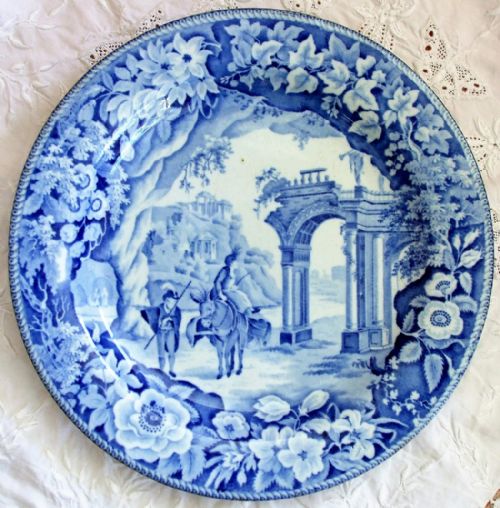
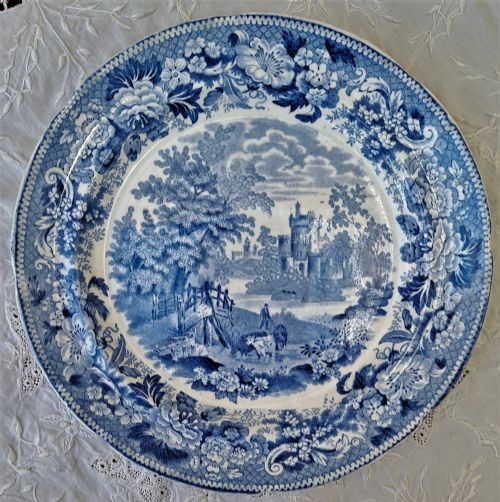
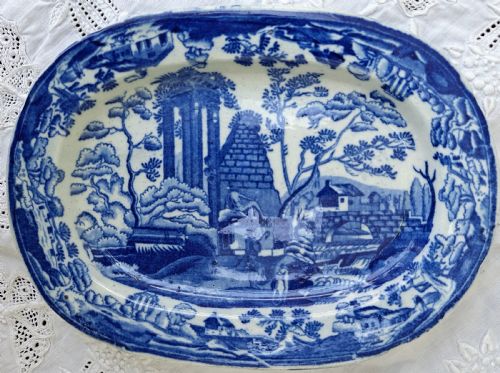
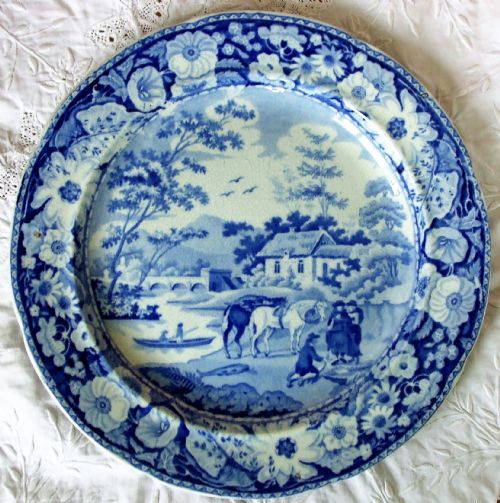
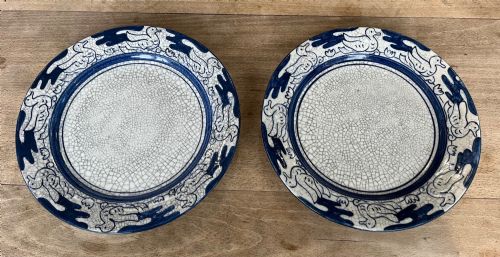
Potters achieved the distinctive colour scheme by applying cobalt pigment or cobalt oxide directly onto earthenware, ironstone, or porcelain bodies before firing. Many English examples employ transfer printing, where an engraved copper plate transfers a detailed design onto paper and then onto the ceramic surface.
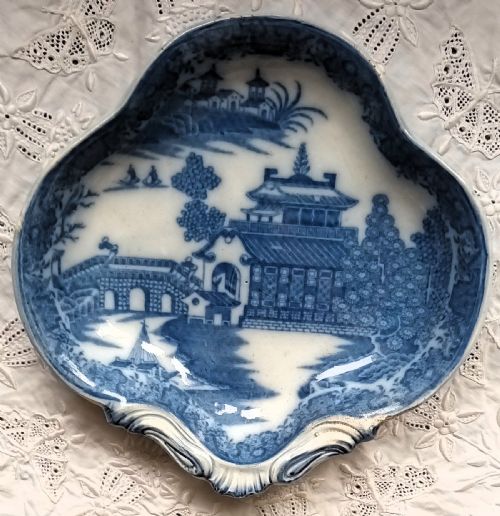
Tin glaze and transparent glaze applications seal the pigment beneath a glossy surface, protecting the painted or printed scenes such as romantic ruins, Chinoiserie landscapes, and floral motifs. Japanese Arita and Chinese export wares rely on high-firing porcelain bodies combined with cobalt painting under the glaze.
Earthenware and ironstone pieces provide heavier, sturdier vessels with porous or semi-vitreous bodies, whereas Kraak and Kangxi porcelain items offer thin walls and resonant, high-fired durability. The interaction between the cobalt pigment and the varying base materials produces tones ranging from bright indigo to soft slate grey.
Cobalt Blue White Dish Retail Price Guide 2026
Typical asking prices for cobalt blue white dish among the pieces listed under this phrase on Sellingantiques today, from the lower quarter to the upper quarter. They describe what is for sale here now, not the wider market.
At least one clever potter bypassed standard geometry entirely, shaping a cobalt-decorated dish into the literal form of a fish.
Evaluating quality and execution
The distinction between ordinary utility wares and finer examples lies in the crispness of the transfer print or the brushwork control of the hand-painted cobalt. Superior pieces display sharp outlines, balanced composition, and deep, even colour saturation without blurring or running into the white glaze.
The refinement of the ceramic body itself separates basic earthenware from high-grade porcelain or early tin-glazed wares. Finer items feature thin, uniform throwing walls, minimal kiln warping, and smooth, consistent glaze coverage across the foot ring and reverse.
Copeland and Garrett·James and Ralph Clews·Spode·Henshall and Co·Zacharia Boyle·Thomas Lakin·William Adams·Wedgwood·J and R Riley
The Cobalt Blue White Dish Glossary
- Transferware
- A pottery type decorated by transferring a printed design from an engraved copper plate onto unglazed or bisque ceramic via tissue paper. This technique allowed intricate pictorial scenes to be mass-produced in deep blue.
- Tin Glaze
- An opaque white ceramic glaze containing tin oxide, providing a smooth surface for painting in cobalt pigment. This finish defines European delftware and faience.
- Charger
- A large decorative plate or platter intended primarily for ceremonial display on a sideboard or wall rather than for everyday dining service. These items often showcase the most elaborate painted or printed cobalt scenes.
- Chinoiserie
- A European artistic style reflecting Chinese motifs and landscapes, frequently adapted by English potteries on blue and white dishes. The style includes imaginary pavilions, willow trees, and figures on bridges.
- Kraak Porcelain
- Chinese export porcelain produced during the late Ming dynasty, characterised by panelled borders and central landscape or animal motifs in dark cobalt blue. These wares were widely traded across Europe.
Cobalt Blue White Dish: Frequently Asked Questions
How were cobalt blue white dishes used?
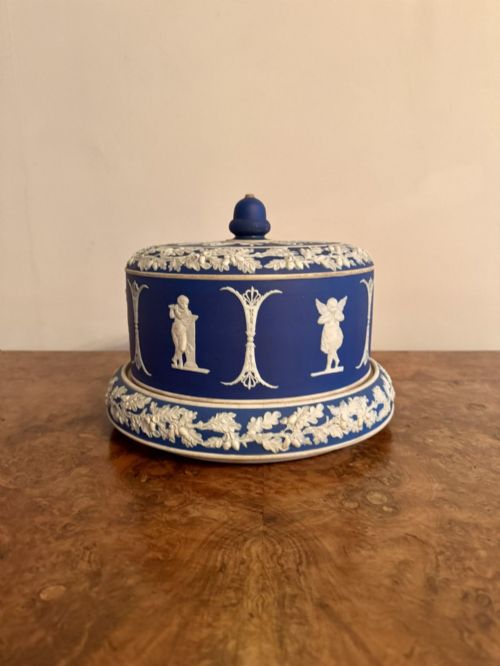
Many of these vessels served practical roles on dining tables as serving platters, soup tureens, cheese dishes, and dinner plates. Larger chargers were frequently hung on walls or displayed on dressers to showcase wealth and decorative taste.
Over time, utilitarian tableware transitioned into collectible cabinet pieces, particularly when featuring pictorial transfer prints or delicate export porcelain painting. Their durable glazes allowed for daily service while retaining visual appeal.
How do I clean an antique dish?
Wash antique ceramics gently by hand using warm water and mild liquid soap, avoiding abrasive scrubbers or modern dishwashers. Sudden temperature changes should be prevented to protect old glazes from thermal shock and crazing.
Careful handling prevents chipping on the delicate edges of earthenware and porcelain bodies. Pat the surface dry with a soft cloth rather than leaving pieces to air dry.
How do I date a blue and white dish?
Examine the base for maker marks, impressed registry numbers, or factory stamps that correlate with historical production periods. Stylistic clues such as transfer print subjects, paste composition, and glaze characteristics also help narrow down the decade.
Early pieces often feature unglazed foot rims with sand grit from the kiln, while Victorian ironstone wares display crisp backstamps. Comparing patterns to established factory pattern books provides further chronological context.
What is transfer printing?
Transfer printing is a manufacturing method where an etched metal plate is inked with cobalt pigment and pressed onto tissue paper. This printed paper is then applied to the ceramic body to transfer the intricate design before glazing and firing.
This technique revolutionised pottery production by allowing complex pictorial scenes to be replicated quickly and consistently. It replaced entirely hand-painted decoration on many English wares from the late eighteenth century onward.