


Cobalt Blue Pot
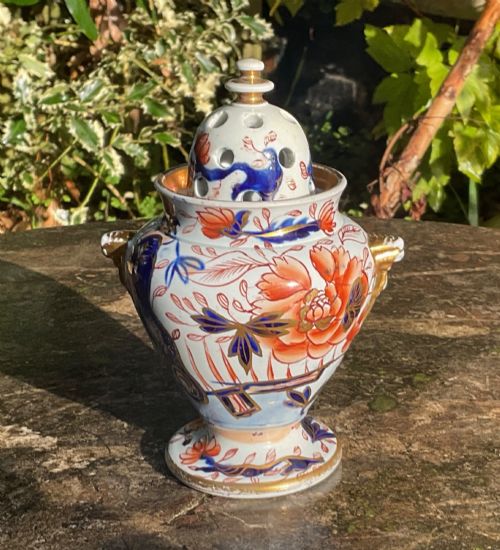
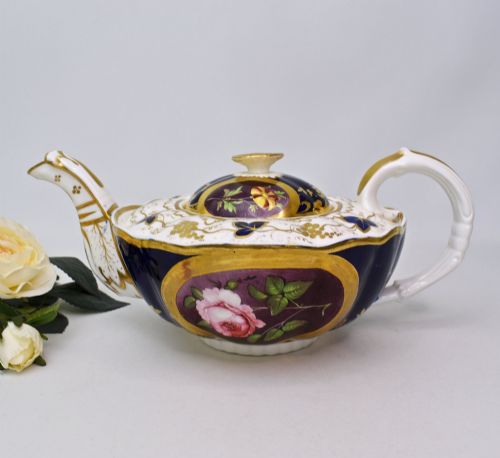
A cobalt blue pot brings deep indigo tones and historical weight to a room, ranging from delicate porcelain teapots to robust stoneware jugs.
Cobalt Blue Pot
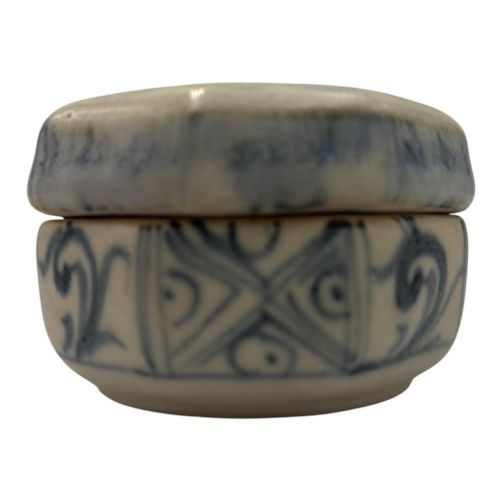
When searching for a cobalt blue pot, collectors encounter a diverse array of utilitarian and decorative vessels spanning multiple centuries. The selection encompasses everyday serving pieces, substantial planters, and intimate vanity containers.
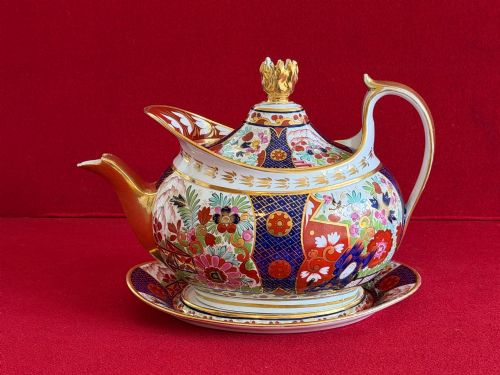
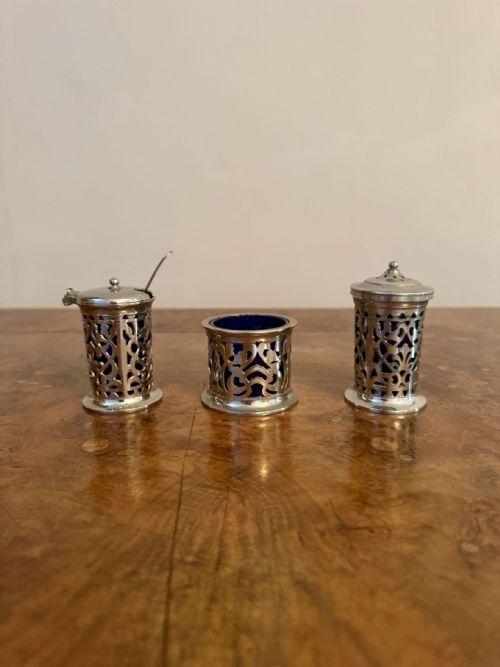
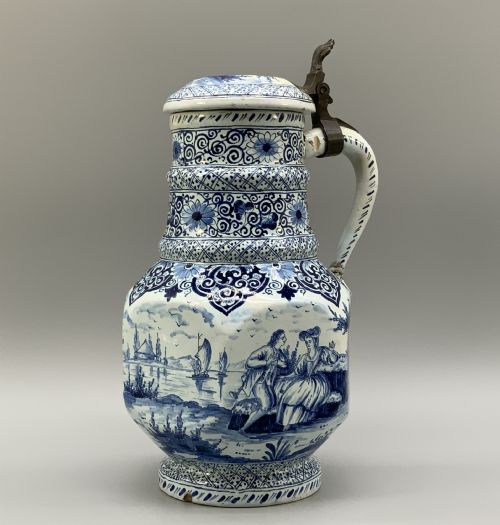
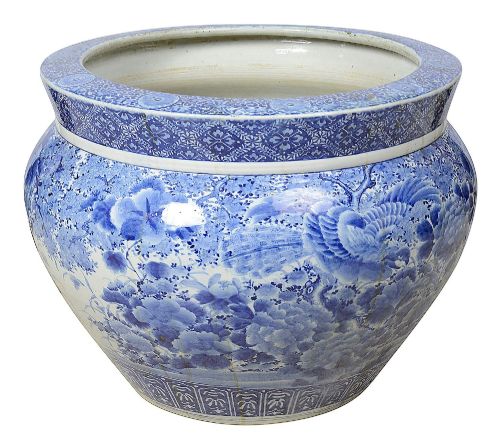
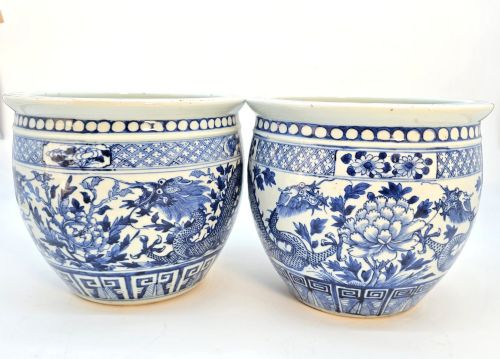
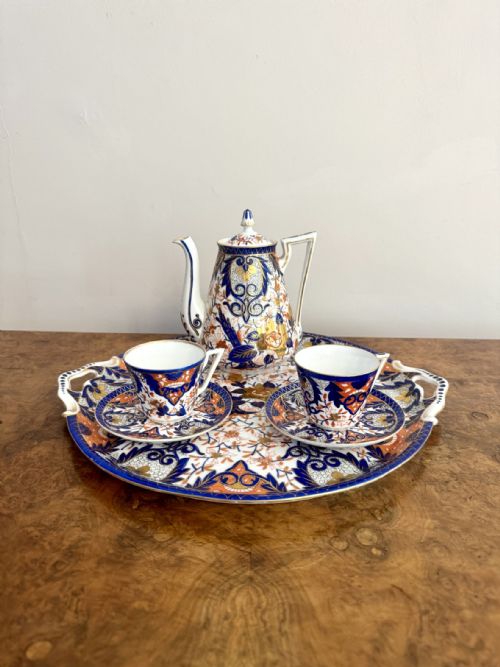
Porcelain and earthenware forms dominate the selection, heavily represented by Chinese export wares, English delftware, and Victorian art pottery. Domestic vessels such as mustard pots and teapots sit alongside large jardinieres and brush holders.
Pieces stretch chronologically from the seventeenth century through to the early twentieth century. European factories and Asian kilns both contributed significantly to the rich palette of cobalt decorations available on the market.
How they were made
Potters relied upon cobalt oxide to achieve the intense blue pigmentation that withstands high kiln temperatures without fading. This pigment was painted directly onto the clay body or tin glaze before firing.
Earthenware and delftware pieces utilised an opaque tin-white glaze as a canvas for hand-painted cobalt designs. Porcelain bodies received cobalt decoration under a clear glaze, creating a smooth, vitreous finish.
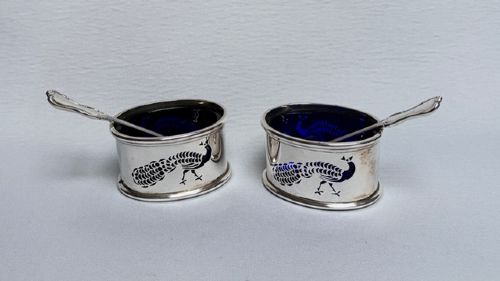
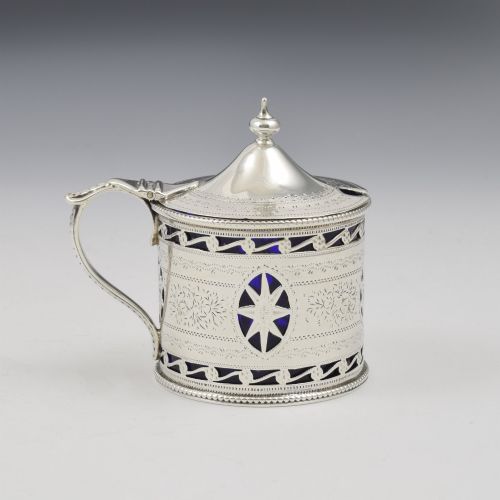
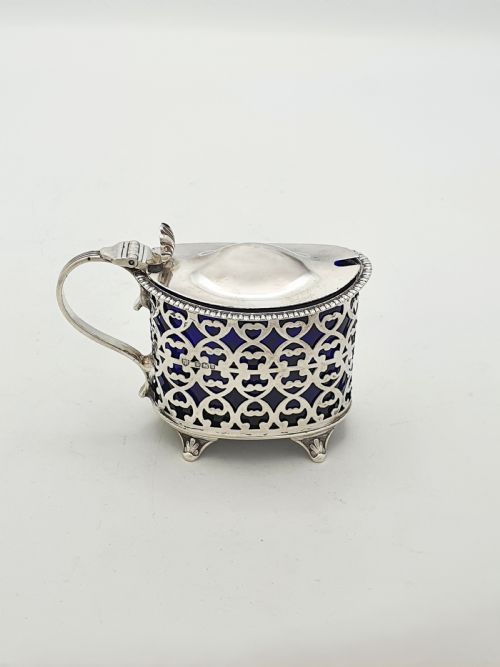
Metalwork additions such as sterling silver pierced mounts and pewter lids appeared on nineteenth-century mustard pots and jugs. Gilt detailing and enamel work frequently adorned French glass and porcelain vanity jars.
Cobalt Blue Pot Retail Price Guide 2026
Typical asking prices for cobalt blue pot among the pieces listed under this phrase on Sellingantiques today, from the lower quarter to the upper quarter. They describe what is for sale here now, not the wider market.
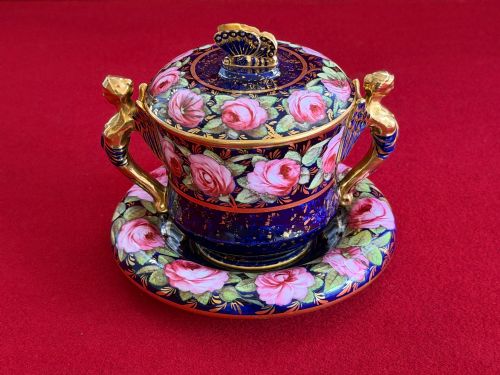
Seventeenth-century posset pots required two handles so guests could pass the warm, spiced drink around the room without dropping it.
What varies in quality
The precision and fluidity of the hand-painted cobalt decoration dictate the visual success of an antique vessel. Crisp brushwork and deep tonal variation distinguish master-painted examples from hurried commercial output.
The purity of the ceramic body and the smoothness of the glaze reflect the technical skill of the kiln. Finer porcelain and well-potted earthenware show greater uniformity and careful finishing at the base and rim.
Nathan and Hayes·William Adams and Sons·Royal Doulton·Samuel Alcock·Doulton Lambeth
The Cobalt Blue Pot Glossary
- Delftware
- Tin-glazed earthenware produced in England and the Netherlands, typically featuring white surfaces painted with blue designs.
- Jardiniere
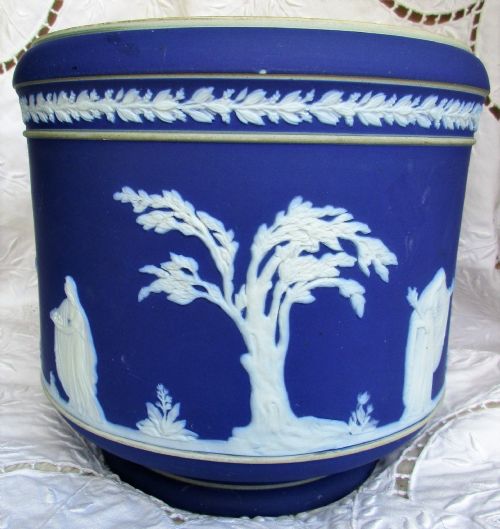
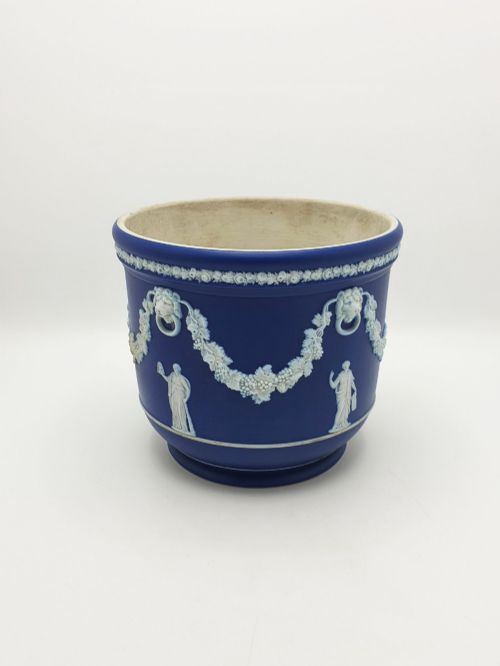
- A large ornamental ceramic pot or stand designed to hold a live plant or flower arrangement.
- Brush pot
- A cylindrical vessel, often ceramic or porcelain, traditionally used in East Asia for holding writing brushes.
- Posset pot
- A spouted historical drinking vessel used for a hot, spiced milk and wine mixture during seventeenth-century gatherings.
- Jasperware
- A type of fine stoneware developed by Josiah Wedgwood, characterised by a matte surface and contrasting moulded reliefs.
Cobalt Blue Pot: Frequently Asked Questions
How are antique cobalt pots cleaned safely?
Wash ceramic and porcelain vessels gently in warm water using a mild, non-abrasive detergent and a soft cloth. Avoid submerging pieces with silver mounts or delicate gilt details for extended periods.
Dry each item thoroughly with a lint-free towel to protect fragile glazes and historical surfaces from moisture damage.
Can antique jardinieres hold real plants?
Many nineteenth-century ceramic jardinieres were designed specifically to house potted plants inside domestic parlours and conservatories. Using a hidden plastic liner prevents moisture from seeping into porous earthenware bodies.
Protect interior surfaces by placing a small saucer at the base of the planter to catch any excess water drainage.
How do I date a blue and white ceramic pot?
Examine the base for maker marks, impressed factory stamps, or painter signatures that correspond to known operational periods. The style of the cobalt painting and the characteristics of the glaze provide further chronological clues.
Compare the potting technique and clay body weight against documented examples from specific centuries and manufacturing centres.
What is the difference between a jar and a pot?
Jars traditionally feature wider mouths and were often intended for storage of dry goods, pharmaceuticals, or cosmetics. Pots generally encompass a broader category of vessels, including pouring jugs, drinking vessels, and planters.
Function and historical nomenclature dictate the distinction, though makers often used terms interchangeably based on shape.