




Cobalt Blue Glass Vessel
A cobalt blue glass vessel brings a striking flash of rich pigment to a room, catching the light in a way clear glass rarely manages.
Cobalt Blue Glass Vessel
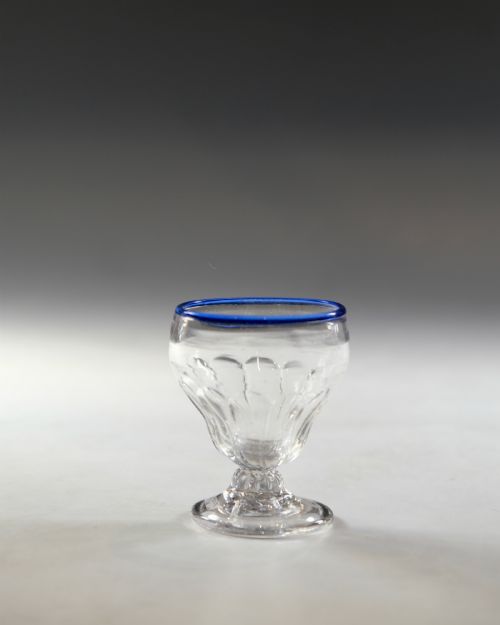
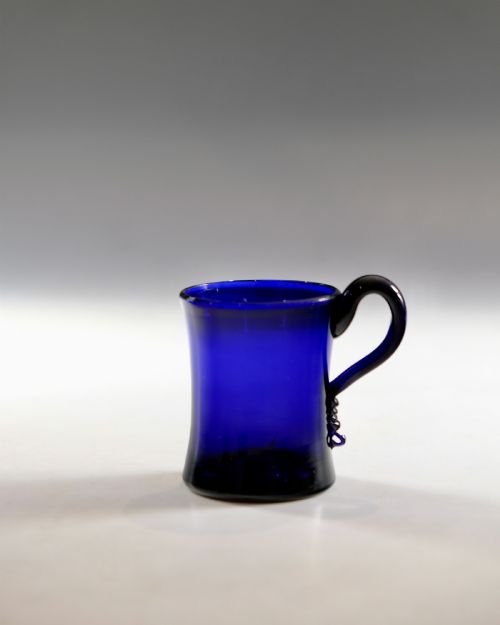
When searching for a cobalt blue glass vessel, a buyer encounters a diverse range of forms spanning multiple centuries and aesthetic movements. The selection on this page centres heavily on Victorian and Georgian pieces, alongside Edwardian, Art Nouveau, and Art Deco examples.
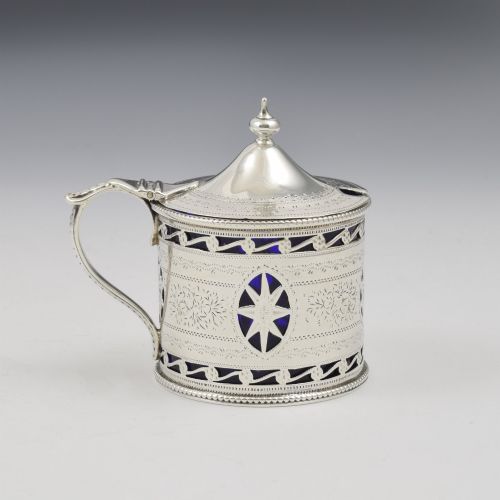
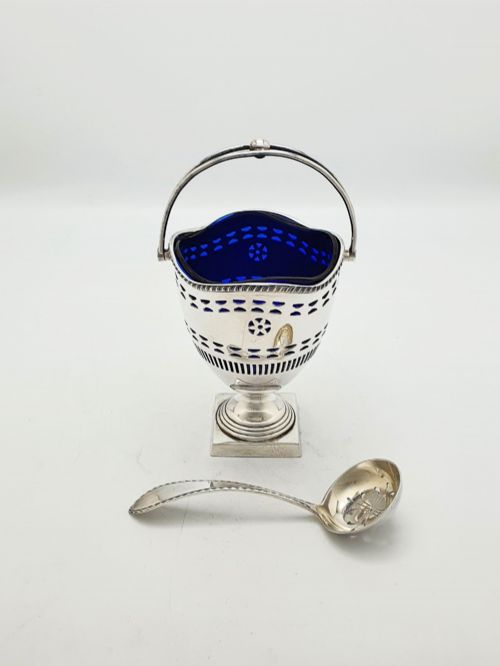
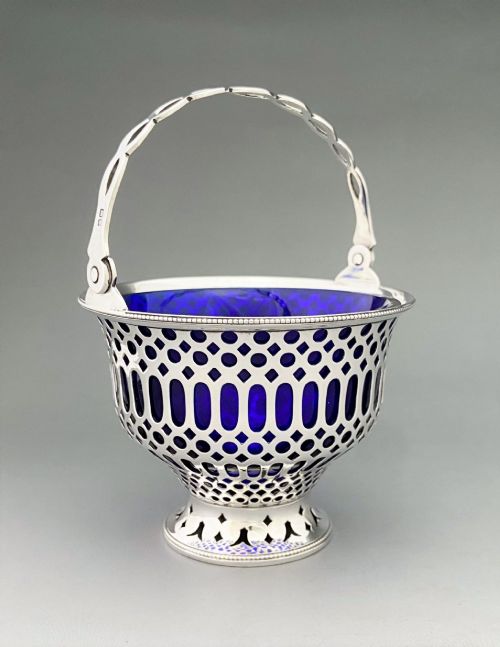
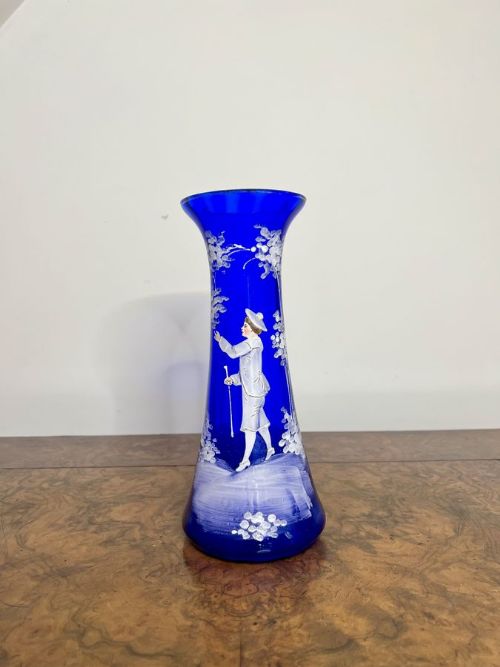
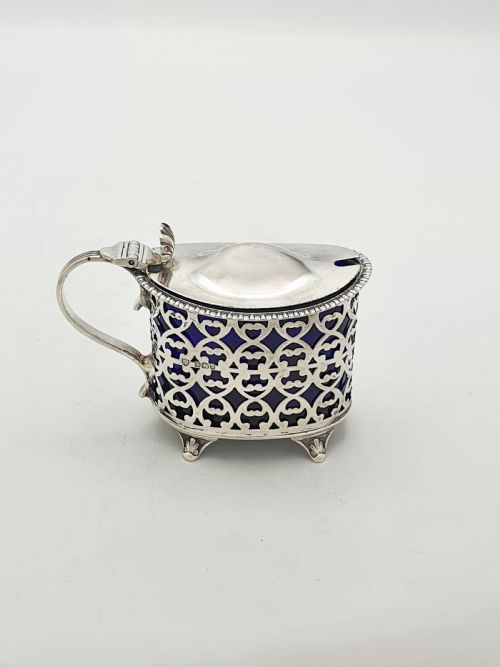
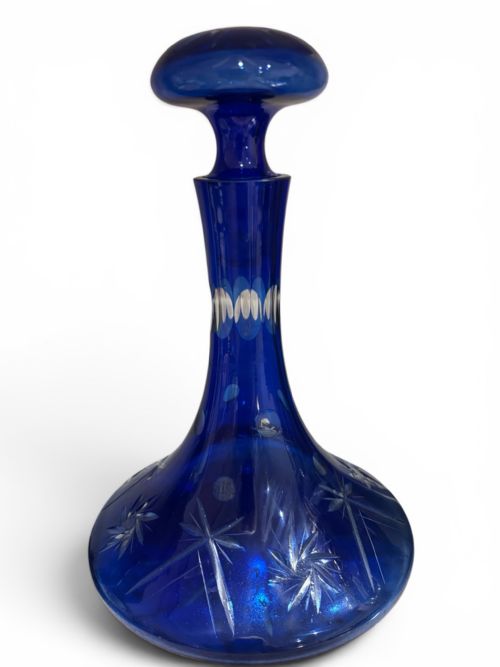
The objects themselves vary widely in utility and display, taking the form of vases, decanters, apothecary bottles, mustard pots, sugar bowls, and bonnet glasses. Many of these items incorporate precious metal mounts, pairing the intense blue glass with sterling silver, silver plate, or pewter overlays.
What varies in quality
The quality of a cobalt blue glass vessel depends heavily on the crispness of any cut-to-clear facets, the precision of enamel painting, and the weight and clarity of the lead crystal. Pieces that retain their original hallmarked sterling silver mounts or fine pewter overlays generally sit higher in the range.
Consideration also applies to the form and origin, where specialised pieces such as Bohemian crystal decanters or Chinese Peking octagonal bottle vases display distinct regional techniques. The depth of the cobalt colour and the balance of the proportions dictate the overall presence of the object.
Listings feature 18th century to 1930s pieces, uniting English Georgian bonnet glasses, Victorian apothecary bottles, and Belgian Art Deco glass.
Nathan & Hayes·Val St. Lambert
The Cobalt Blue Glass Vessel Glossary
- Cobalt glass
- Glass coloured deep blue by the addition of cobalt oxide during the melting process. This material forms the primary body of the vessels listed here.
- Lead crystal
- Glass containing a significant proportion of lead oxide, which increases weight, brilliance, and refractive index. It allows for sharp, clean facet-cutting.
- Bonnet glass
- A small 18th-century English glass vessel, often featuring an ogee bowl, historically used for sweetmeats or sugar. They frequently sit upon a ribbed or moulded foot.
- Apothecary bottle
- A utilitarian container used by chemists and pharmacists to store medicines and ingredients. Those made in cobalt blue protected light-sensitive contents.
- Cut to clear
- A technique where a coloured glass outer layer is selectively ground away to expose the clear glass beneath, creating contrasting patterns.
Cobalt Blue Glass Vessel: Frequently Asked Questions
How do I date a blue glass vessel?
Dating relies heavily on the manufacturing technique, the form of the object, and any accompanying metal mounts. Silver components often bear hallmarks that pinpoint the exact year of production.
Stylistic indicators such as Victorian enamel work, Art Deco geometric cutting, or Georgian silhouettes further help place the piece within its correct historical period.
What were apothecary bottles used for?
Apothecary bottles served as storage containers in chemists' shops and dispensaries for liquids and dry compounds. The dark cobalt pigment shielded sensitive chemical contents from harmful ultraviolet light.
Over time, these functional containers transitioned into decorative objects collected for their rich colour and historic paper or enamel labels.
Are silver mounts original to the glass?
In most antique examples, the silver or silver-plate mounts, such as those on mustard pots and sugar baskets, were made specifically for the glass liner. Pierced frames securely held the removable cobalt glass vessels in place.
Examining the fit and any matching hallmarks helps confirm the integrated nature of the metalwork and the glass.
How should I clean antique glass?
Cleaning antique glass requires gentle handling, particularly for pieces with delicate enamel paint, gilt decoration, or pewter overlays. Lukewarm water and mild soap are generally sufficient for removing dust without damaging the surface.
Harsh scrubbing and dishwashers should be avoided entirely to preserve the original polish and any applied decoration.