

Coastal Oil Art
Coastal oil art brings the movement and light of the sea indoors through layered brushwork and pigment.
Coastal Oil Art
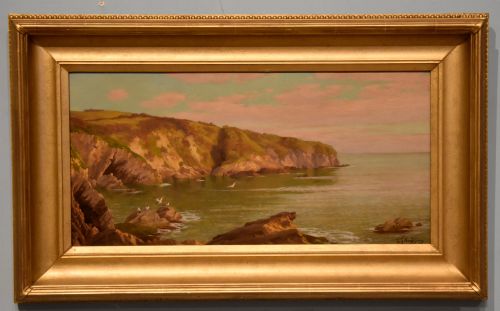
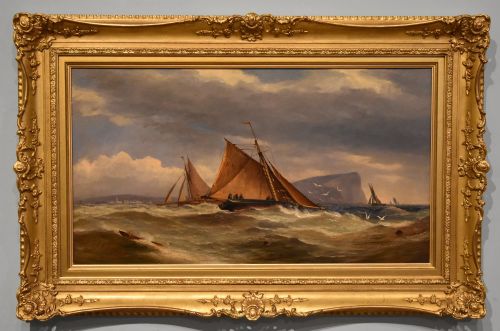
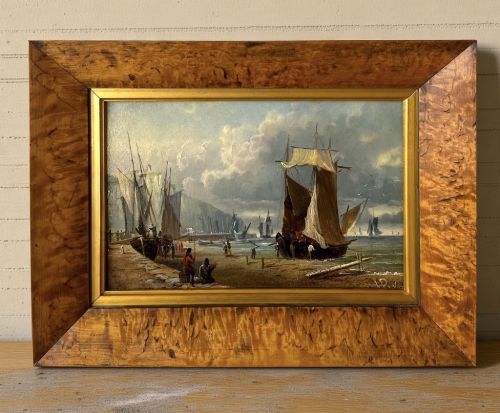
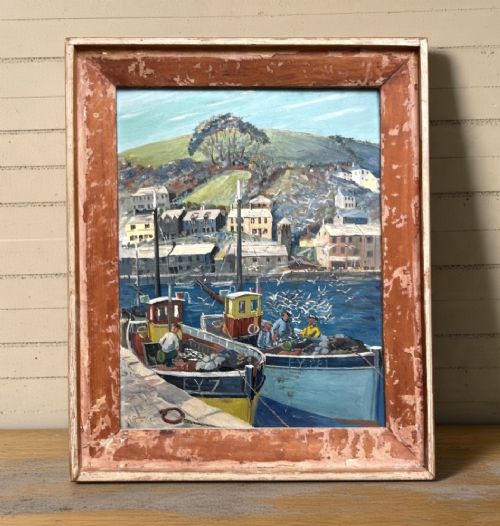
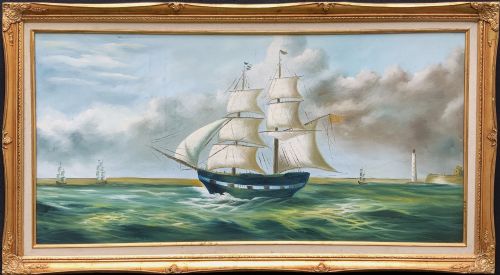
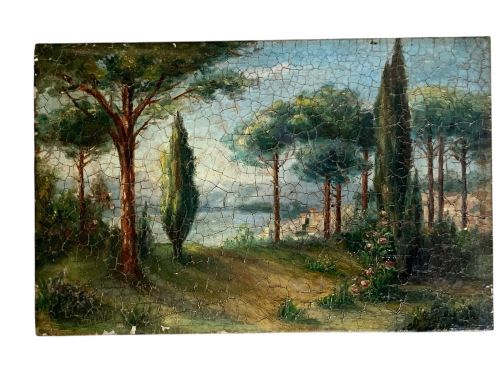
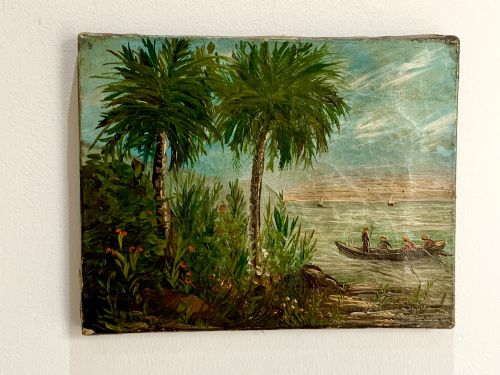
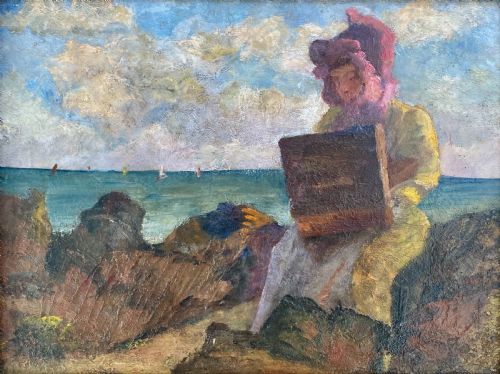
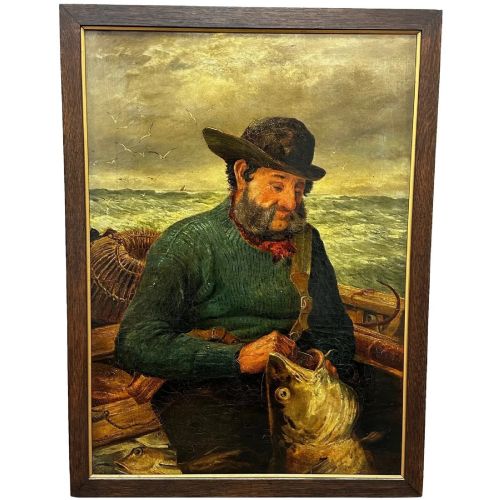
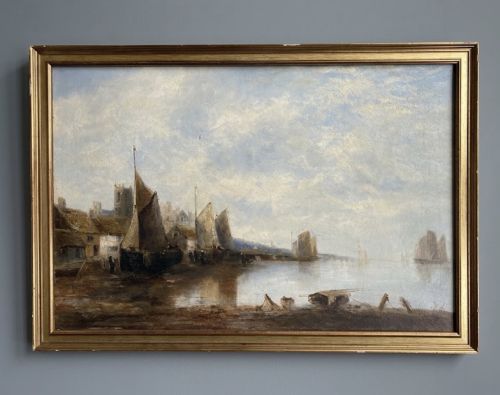
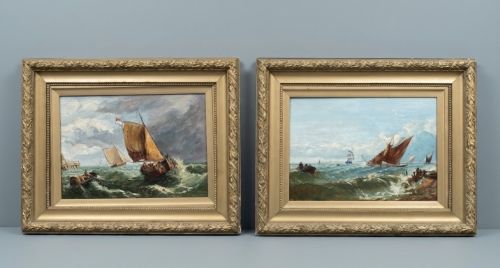
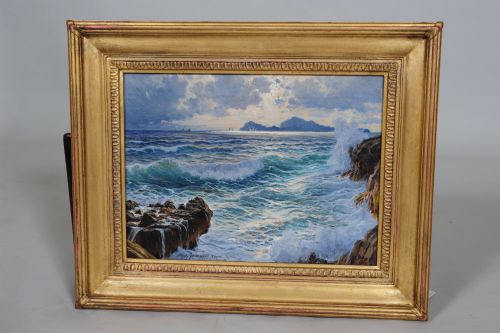
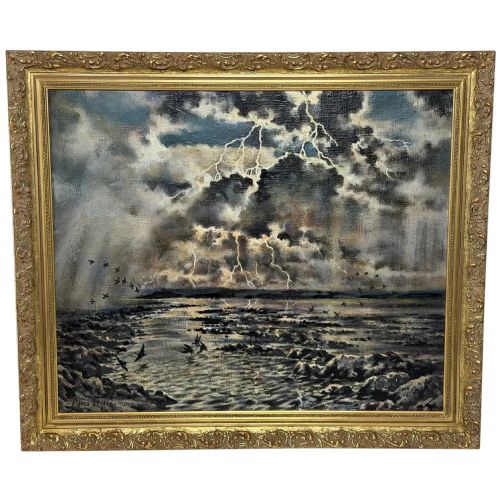
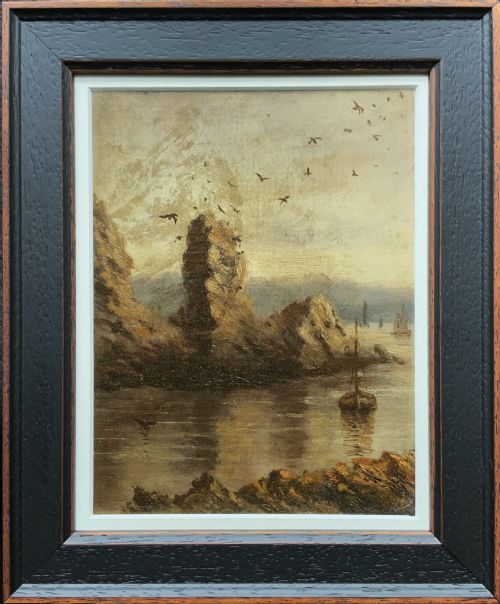
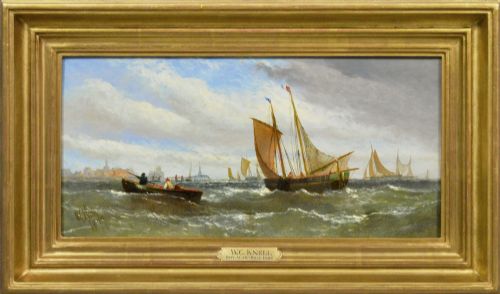
When you search for coastal oil art, you find maritime scenes, harbour views, and open seas rendered in oil paint on canvas, wood, or board. These works span from the nineteenth century through the mid-twentieth century, encompassing Victorian marine painting, British impressionism, and mid-century modern interpretations.
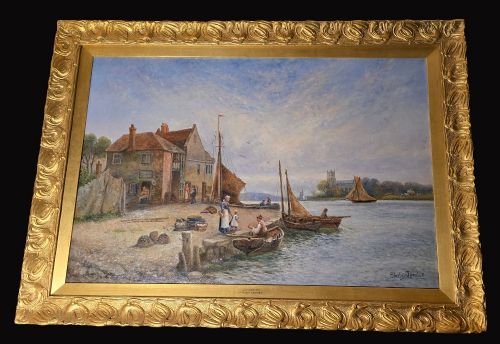
You meet Victorian canvases depicting dramatic shipwrecks and calm shores alongside twentieth-century depictions of Cornish harbours and Mediterranean ports. The compositions range from intimate panels to large framed works that capture specific coastal locations and shipping activity.
How they were made
Artists apply oil paint to prepared canvas, wood panels, or rigid board supports using brushes and palette knives to build texture and depth. Many Victorian and Edwardian works utilise traditional stretched canvas, while later twentieth-century pieces frequently employ wooden boards or textured prints embellished with paint.
Frames play a structural and aesthetic role, with many period pieces housed in original gilt wood frames that complement the marine subject matter.
Coastal Oil Art Retail Price Guide 2026
Typical asking prices for coastal oil art among the pieces listed under this phrase on Sellingantiques today, from the lower quarter to the upper quarter. They describe what is for sale here now, not the wider market.
Several canvases capture maritime traffic alongside grazing horses and figures on rocky beaches.
What varies in quality
The strength of the composition and the artist's command of light and atmosphere dictate the distinction between standard decorative works and accomplished fine art. Handling of water, sky, and coastal light reveals the technical skill behind each painting.
The integrity of the original support and the retention of period gilt frames contribute to the overall standard of a piece.
Donald McIntyre·Nicolaas Martinus Wijdoogen·James Hardy·Kenneth Cozens·Augusto Alberici·Clive Browne·Peter Brannan·Paul Bret·Bernard Benedict Hemy·Thomas Creswick·Lucy Pratt·James Fry·Ethel Sands·Cecil Allan Mould·Charles Euphraisie Kuasseg·John Wilson Carmichael·Abraham Cooper·Joseph Farquharson·Erich Mercker·Dubovsky
The Coastal Oil Art Glossary
- Canvas
- A heavy woven fabric stretched across a wooden frame to act as a painting surface for oil colours.
- Gilt wood
- Wood coated with a thin layer of gold leaf or metallic gilt, commonly found on period frames.
- En plein air
- A French term describing paintings executed outdoors to capture natural light and atmospheric conditions directly.
- Capriccio
- An architectural fantasy placing together buildings, ruins, and other architectural elements in a fictitious combination.
Coastal Oil Art: Frequently Asked Questions
What subjects appear in coastal oil art?
These works depict sailing ships, harbour scenes, calm shores, and dramatic sea stacks under various weather conditions. Painters record everyday maritime life alongside shipping trade and coastal landscapes.
Artists across different centuries interpret the shoreline through distinct regional lenses, from Mediterranean ports to British fishing villages.
How do I date a coastal oil painting?
Stylistic clues, the type of support material, and framing methods help establish the period of creation. Nineteenth-century works often use heavy textured canvas and elaborate gilt frames, while mid-century examples lean towards board supports and modernist palettes.
Signatures, artist dates, and recorded exhibition histories provide further confirmation of the era in which the piece was painted.
Where should I hang coastal art?
These paintings suit spaces that benefit from natural light, which enhances the oils and the detailing of the gilt frames. Placing them away from direct sunlight and damp environments preserves the canvas and the paint layers.
Matching the scale of the artwork to the wall space ensures the piece sits comfortably within the room.
What is an en plein air painting?
En plein air refers to the practice of painting outdoors directly in front of the subject. Artists working this way capture transient effects of light and weather on the coast.
This method produces immediate, highly observant depictions of sea and sky.