

Coastal Artwork
Coastal artwork brings the movement of tides and the salt air indoors through period paintings and watercolours.
Coastal Artwork
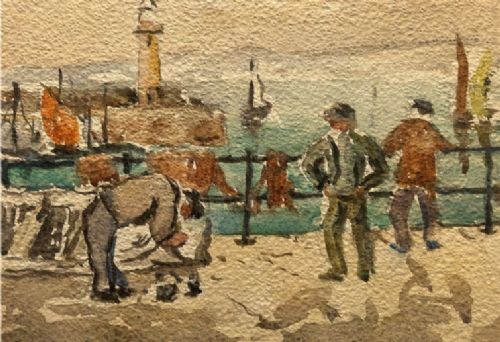
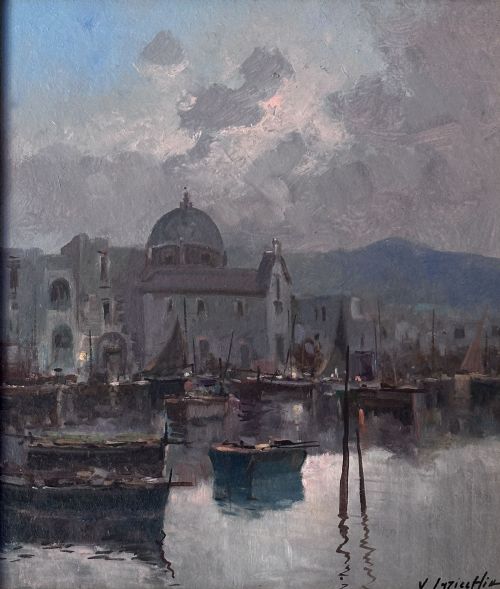
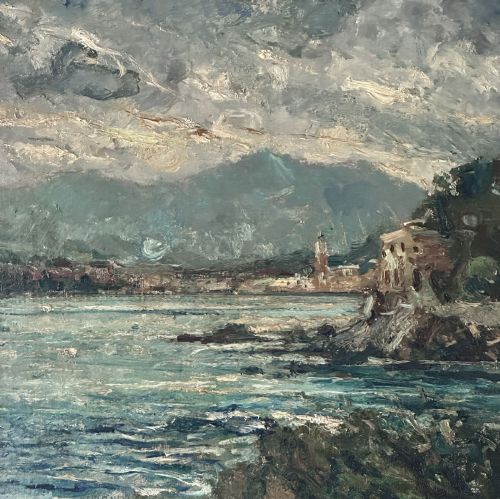
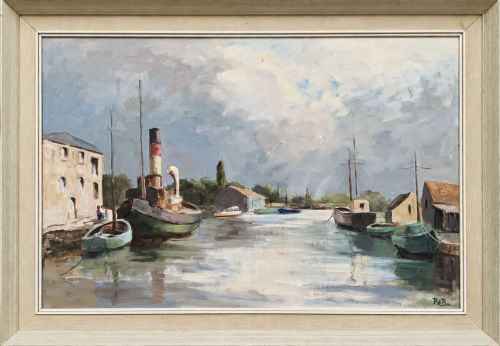
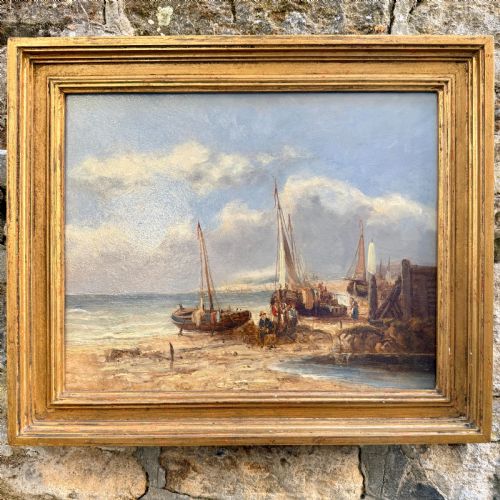
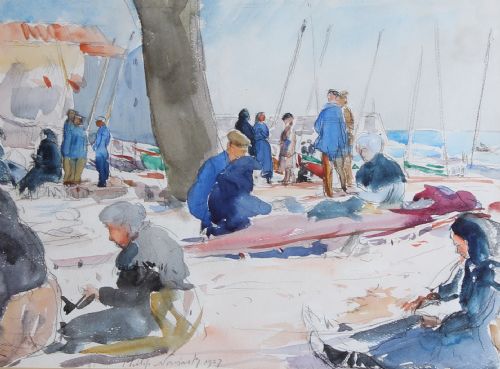
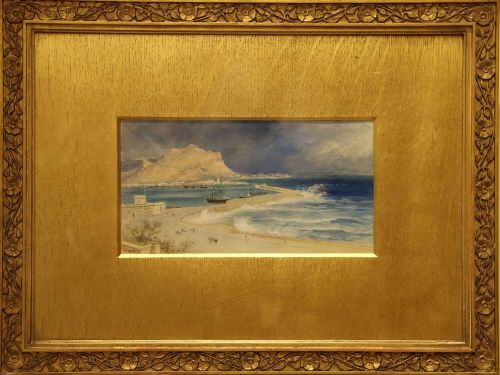
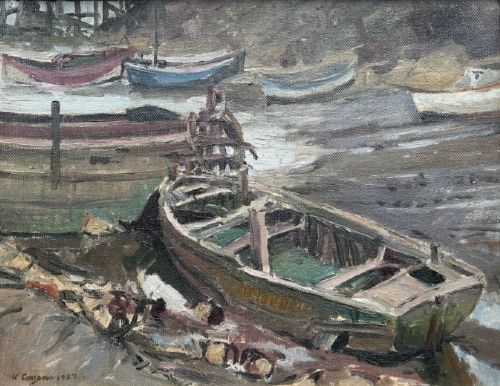
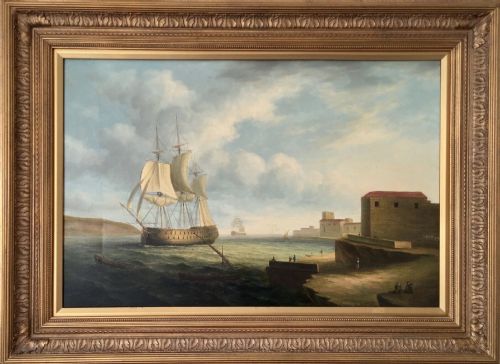
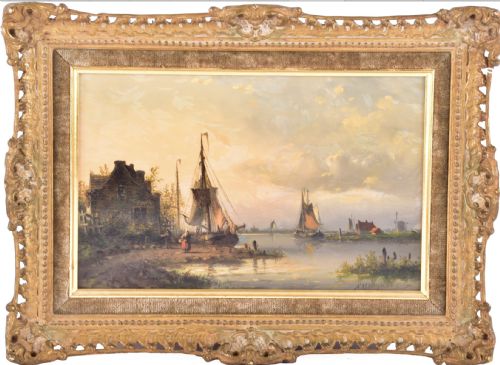
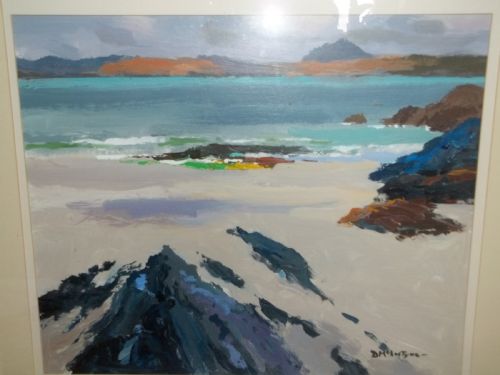
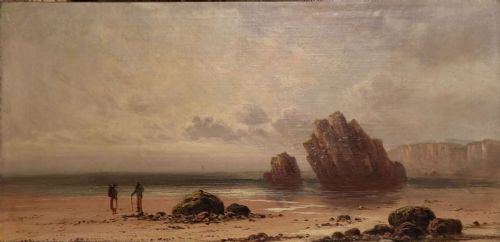
When you search for coastal artwork, you encounter paintings and watercolours that capture the sea, harbours, and shorelines. These pieces span from the nineteenth century through the mid-twentieth century, recording changes in maritime commerce and leisure. The selection relies heavily on British scenes, particularly harbours in Cornwall and Scotland, alongside Mediterranean views.
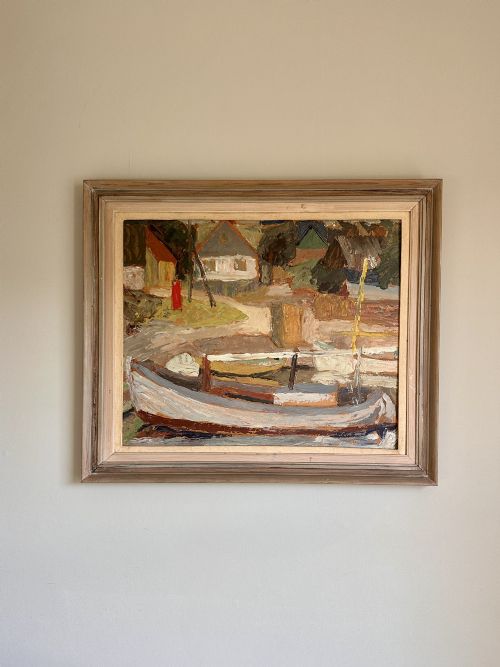
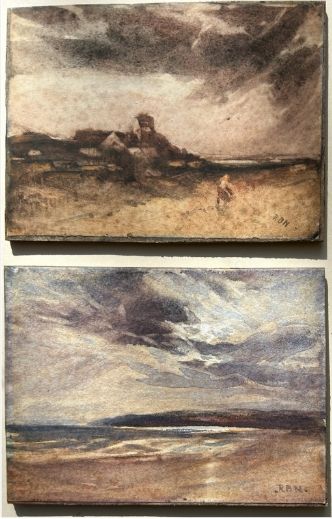
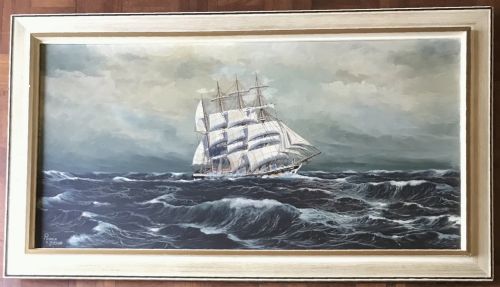
The most common formats on this page are framed watercolours on paper and oil paintings on canvas or board. Works range from small marine sketches to large oil paintings depicting ships, rocky beaches, and coastal villages. Artists frequently documented specific locations, from northern havens to Sicilian ports.
How they were made
Makers utilised oil paint and watercolour as primary mediums, often applying them to canvas, prepared wood panels, or heavyweight paper. Nineteenth-century works frequently employed traditional layering techniques to build depth in stormy seas and atmospheric skies. Later twentieth-century pieces adopted looser brushwork, sometimes painted en plein air directly on the shoreline.
Support materials varied according to the period and scale of the composition. Smaller maritime sketches used paper or card, whilst larger exhibition pieces utilised stretched canvas or wooden boards. Gilt frames completed the presentation, protecting the edges of the canvas and paper from atmospheric moisture.
Coastal Artwork Retail Price Guide 2026
Typical asking prices for coastal artwork among the pieces listed under this phrase on Sellingantiques today, from the lower quarter to the upper quarter. They describe what is for sale here now, not the wider market.
Listings feature works on paper, canvas, and wood panels using oil paint, watercolour, and gilt frames from the nineteenth century to the mid-twentieth century.
What varies in quality
The distinction between ordinary topographical records and superior coastal artwork lies in brush control and light handling. Stronger pieces convey the weight of water and the shift of weather through confident mark-making rather than rigid illustration. Compositional balance also separates standard decorative pictures from works by accomplished painters.
Material preservation heavily influences the standing of a piece. Watercolours that retain their original pigment strength without fading show proper historical storage away from direct sunlight. Oil paintings kept on stable canvas or board without extensive flaking represent better preservation of the maker's original surface.
Robert Buchan Nisbet·Donald McIntyre·Nicolaas Martinus Wijdoogen·James Hardy·James Orrock·William Banks Fortescue·Augusto Alberici·Clive Browne·Peter Brannan·Paul Bret·Hector Caffieri·Bernard Benedict Hemy·Thomas Creswick·James Fry·Thomas Maidment
The Coastal Artwork Glossary
- Watercolour
- A paint consisting of pigment suspended in a water-soluble binder, traditionally applied to paper. It allows for transparent washes that render atmospheric skies and coastal light.
- En plein air
- A French expression describing the act of painting outdoors. Artists took their easels to the beach or harbour to capture transient natural light.
- Seascape
- A thematic genre of art that depicts the sea, ships, and coastal views. It forms a primary category within maritime painting.
- Capriccio
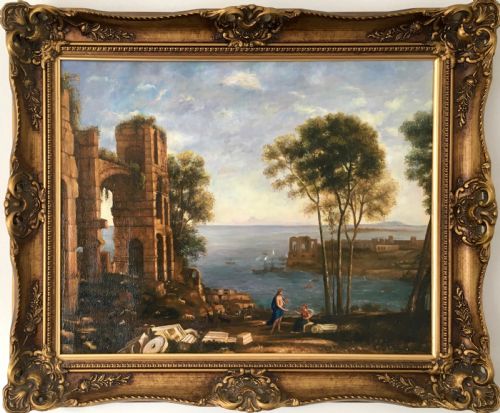
- An architectural fantasy artwork that places imaginary buildings or landscapes within a fictitious setting. These compositions often mix real Italian ports with invented ruins.
- Panel
- A rigid wooden support used instead of canvas for oil paintings. It provided a firm foundation for detailed marine scenes.
Coastal Artwork: Frequently Asked Questions
What periods do these pieces cover?
The inventory spans from the nineteenth century through the Edwardian era and into mid-century modern decades. Victorian and Edwardian works sit alongside mid-twentieth-century examples.
This broad timeline shows how artistic approaches to the sea shifted from detailed realism toward impressionistic brushwork.
How were watercolours protected?
Watercolour paintings on paper required glazing behind glass to shield them from dust and moisture. Frames often included paper tape seals on the reverse.
These measures helped preserve the delicate pigments from atmospheric degradation over the decades.
Where were these scenes painted?
Many works depict British coastal locations such as St Ives, Scarborough, and various Scottish harbours. Others record Mediterranean ports in Italy and Sicily.
Artists travelled to busy fishing villages and quiet shores to record local maritime life.
How do I care for an old oil painting?
Oil paintings on canvas or board need stable indoor humidity levels away from direct heat sources. Dust should be removed gently with a soft dry brush.
Avoid using water or chemical cleaners on the painted surface or the gilt frame.