






Cluster Lapel Pin
A cluster lapel pin gathers gemstones into a concentrated floral or geometric head of sparkle, perfect for pinning to a lapel or scarf.
Cluster Lapel Pin
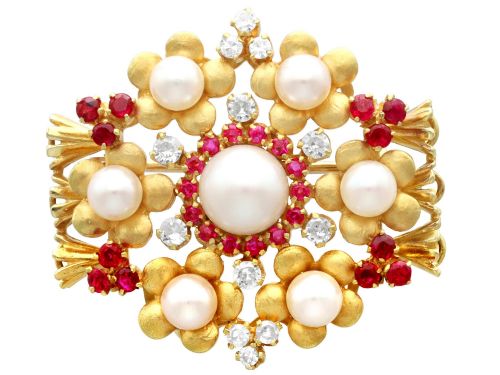
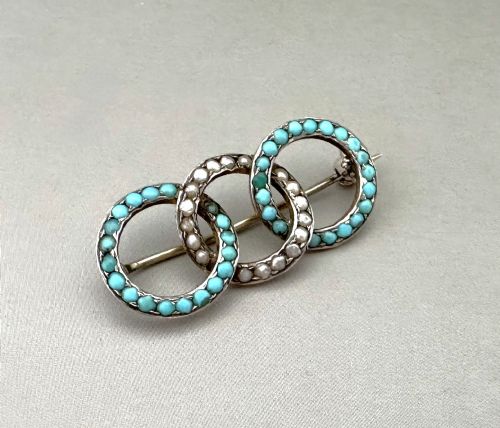
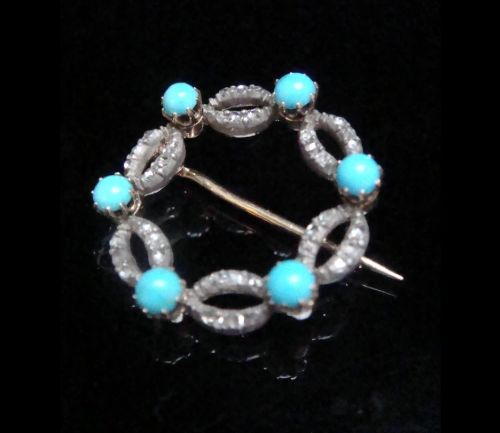
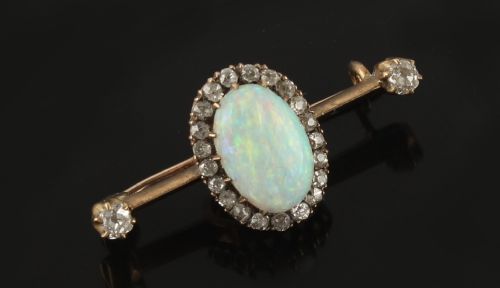
When you search for a cluster lapel pin, you encounter wearable ornaments structured around a central focal point of gemstones, most frequently taking the form of antique and vintage brooches from the Victorian, Edwardian, and Mid-Century periods. These pieces range from Georgian rose-cut diamond and ruby arrangements to silver-gilt turquoise designs and 1950s pearl-set items.
The objects listed span broad historical eras including the nineteenth century, Art Deco 1920s, and Mexican Modernist traditions. Brooches double readily as lapel pins, securing securely to heavy cloth via integrated pin stems and safety catches.
How they were made
Jewellers constructed these pieces using combinations of yellow gold, rose gold, white gold, and silver, frequently pairing silver with gold to set diamonds against a bright reflective surface. Gemstones including rubies, sapphires, opals, amethysts, turquoises, and pearls were arranged tightly in clustered formations.
Techniques range from hand-set stones in closed or open-backed metal mounts to detailed foliate motifs and swirl designs. Silver gilt and mixed-carat gold standards appear throughout the eras, marking traditional bench-work methods.
Cluster Lapel Pin Retail Price Guide 2026
Typical asking prices for cluster lapel pin among the pieces listed under this phrase on Sellingantiques today, from the lower quarter to the upper quarter. They describe what is for sale here now, not the wider market.
Some leaves are forged in silver and gold simultaneously, just so diamonds can sparkle against a dark backing while the stem stays warm.
What varies in quality
The standard of a cluster lapel pin rests upon the harmony of the stone arrangement, the integrity of the metalwork, and the preservation of the original settings. Pieces featuring matched, high-clarity diamonds or well-matched pearls command attention through balanced proportions.
Execution of fine details, such as delicate foliate chasing in the gold or secure claw and bezel work around coloured stones like rubies, amethysts, and turquoises, dictates the overall refinement of the construction.
The Cluster Lapel Pin Glossary
- Cluster
- A stone-setting arrangement where a central gem is surrounded by a tight ring of smaller stones. This layout maximises optical brilliance and colour concentration.
- Silver gilt
- Sterling silver that has been coated with a thin layer of gold. This technique provides the bright white metal backing favoured for diamonds combined with the warm appearance of gold.
- Bar brooch
- A slender metal rod or pin that spans across fabric, often featuring a decorative cluster or motif centred upon its length. It represents a common Victorian form.
- Rose cut
- An antique diamond cut featuring a flat base and a domed crown faceted with triangular planes. It produces a soft, starry shimmer distinct from modern brilliant cuts.
Cluster Lapel Pin: Frequently Asked Questions
How do I wear a cluster lapel pin?
Fasten the pin securely through the lapel of a tailored jacket, coat, or heavy knit cardigan. Ensure the pin stem catches properly in its clasp to bear the weight of the gemstone cluster safely.
Position the pin on the upper left lapel, following the natural angle of the buttonhole or lapel edge. This placement keeps the cluster balanced and prominent.
Are these pins from the Victorian era?
Many examples originate from the Victorian period, showcasing characteristic motifs like starbursts, opals, garnets, and foliate gold designs. Other pieces date to later Edwardian, Art Deco, and 1950s workshops.
Distinguishing periods involves examining the metal types, such as 15ct gold for Victorian pieces versus 18ct white gold or platinum-era styles typical of the 1920s.
What gems are used in these pins?
Common stones include diamonds, pearls, rubies, sapphires, amethysts, and turquoises. These are often combined within a single cluster to contrast bright white diamonds against deep-coloured gems.
Natural pearls and seed pearls frequently form floral borders around central coloured stones, reflecting nineteenth-century and mid-century design preferences.
How should I store my lapel pin?
Keep the pin in a lined jewellery box or a padded compartment away from other pieces to prevent the metal and gemstones from scratching. Laying it flat ensures the pin stem remains straight and unbent.
Avoid humid environments and direct sunlight, particularly for organic materials like pearls and certain coloured stones such as turquoise and opal.