


Clerical Portrait Artwork
Clerical portrait artwork captures figures of faith and intellect in oils and pastels, offering a direct window into ecclesiastical history.
Clerical Portrait Artwork
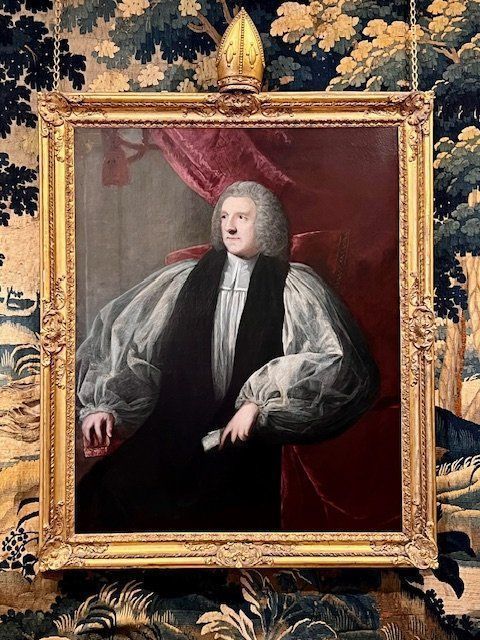
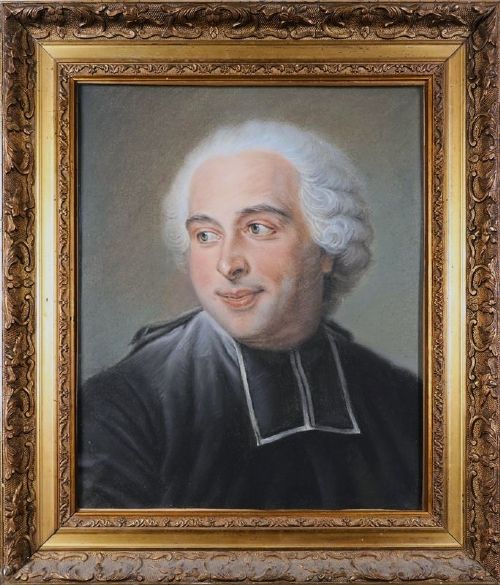
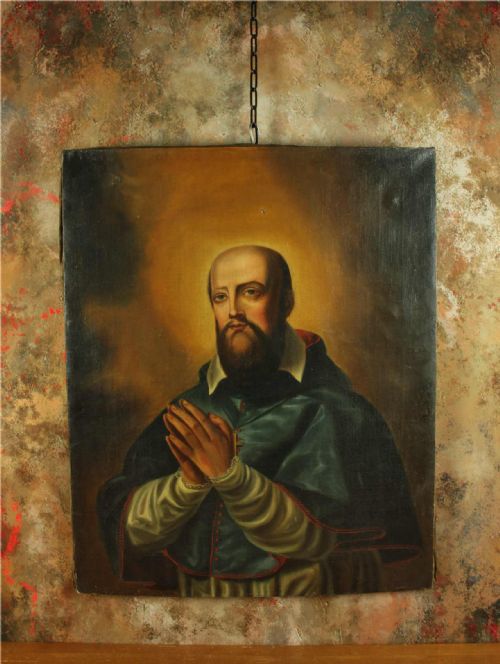
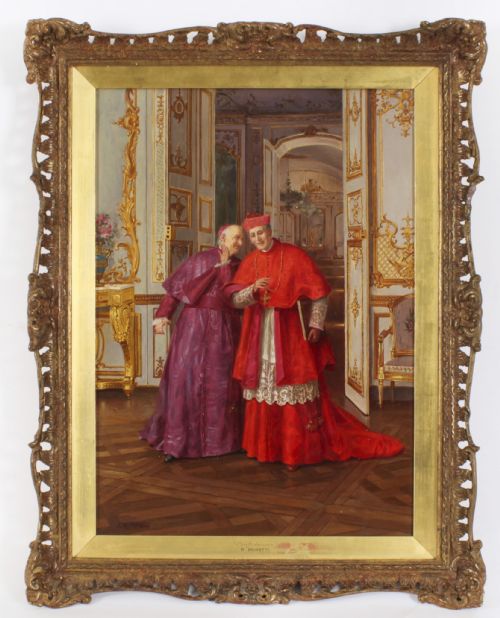
Clerical portrait artwork portrays figures of religious authority, including archbishops, cardinals, vicars, and puritan ministers. These works capture the solemnity and intellectual weight of their subjects through formal likenesses.
The pieces on this page span several centuries, with a strong representation from the 17th, 18th, and 19th centuries. Buyers regularly encounter oil paintings on canvas alongside pastels and watercolours framed in traditional surrounds.
Origins vary across the English, French, Spanish, and Italian schools, reflecting distinct regional approaches to religious portraiture. Academic realism and baroque styles frequently emerge within these historical listings.
Materials and Technique
Traditional framing typically involves wood supports finished with gesso and giltwood ornamentation. These heavy frames provide structural integrity while enhancing the gravitas of the painted canvas within.
Listings feature works spanning the 17th, 18th, and 19th centuries, executed in oil paint, pastel, and watercolour.
Evaluating Quality
Quality rests upon the artist's ability to render the psychological depth and individual character of the sitter rather than merely recording vestments. Superior pieces demonstrate confident brushwork, precise facial modelling, and a sophisticated handling of light.
The integrity of the canvas and the preservation of the original paint layer heavily influence the standing of a work. Finer examples retain their original surface texture and structural supports without extensive modern intervention.
Sir Joshua Reynolds·Maurice Quentin de la Tour·Frank Moss Bennett·Frank Hyde·Alan Ramsay
The Clerical Portrait Artwork Glossary
- Oil on Canvas
- A traditional painting medium where pigments suspended in oil are applied to a woven fabric support. This combination allows for rich blending and enduring depth of colour.
- Giltwood
- Wood carved and coated with a thin layer of gold leaf or gilt powder. It is commonly found on the ornate frames enclosing historical oil paintings.
- Gesso
- A paint mixture consisting of a binder mixed with chalk, gypsum, or pigment. It served as a smooth preparation base for wooden panels and frames before gilding or painting.
- Academic Realism
- A style of painting produced under the influence of European academies of art. It emphasises precise draughtsmanship, careful anatomical study, and polished surface finishes.
- Baroque
- An artistic style prevalent across 17th and 18th-century Europe characterised by dramatic lighting, deep shadows, and intense emotional expression.
Clerical Portrait Artwork: Frequently Asked Questions
What periods do these clerical portraits cover?
The works span from the 17th century through the Victorian era up to the mid-20th century. Earlier examples lean towards stark theological severity while later pieces embrace academic realism.
Different centuries introduced distinct framing choices and painting mediums, ranging from heavy giltwood surrounds to delicate watercolours on paper.
How were these religious portraits originally displayed?
Subjects of high ecclesiastical rank often hung in institutional halls, libraries, and private ecclesiastical residences to project authority and lineage. Smaller works served as private devotional pieces or intimate memorials.
Their substantial frames were designed to assert dignity and permanence within formal architectural settings.
How do I identify the subject of a portrait?
Inscriptions on the canvas, stretcher bars, or protective glass often record the sitter's name, title, and dates. Details like vestments, zucchettos, or specific academic robes also offer clues to their clerical office.
Historical records and stylistic similarities to known commissions help historians connect anonymous sitters to specific historical figures.
What is the difference between oils and pastels here?
Oil paintings utilise pigment bound in drying oils on canvas, yielding deep tones and enduring physical presence. Pastels rely on dry pigment powder pressed into sticks, creating a soft, matt surface.
Pastel works on paper require careful framing behind glass to protect the fragile pigment layers from atmospheric moisture and disturbance.
How should I care for an antique oil painting?
Keep the canvas away from direct sunlight and dramatic fluctuations in temperature and humidity to prevent cracking and warping. Dust the surface and frame gently with a dry, soft brush.
Avoid using water or chemical cleaners on the paint layer and consult a professional conservator for any structural repairs.