


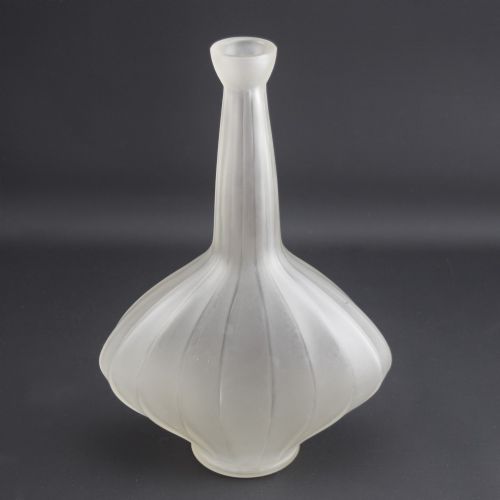


Clear Wine Flute
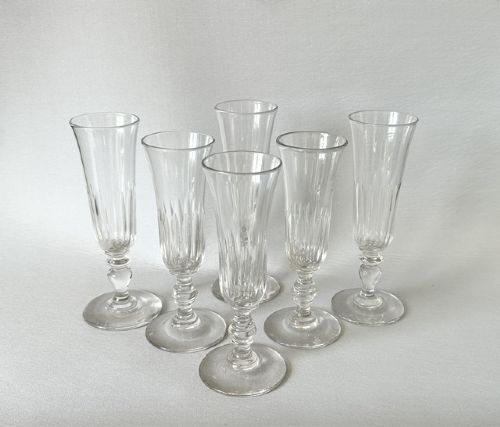
These clear wine flute pieces are drinking vessels designed to display the colour of the drink, combining lead glass and cut glass across periods from the Georgian era to the nineteen-thirties.
Clear Wine Flute
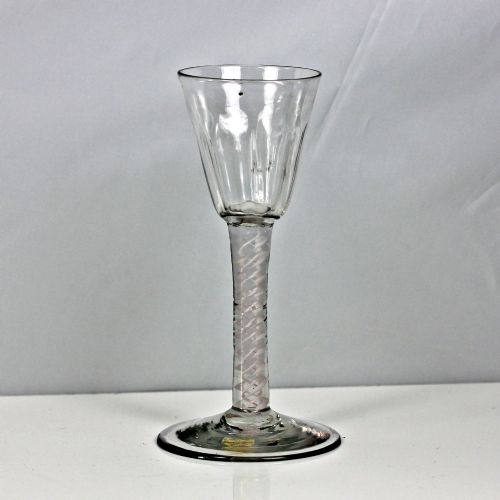
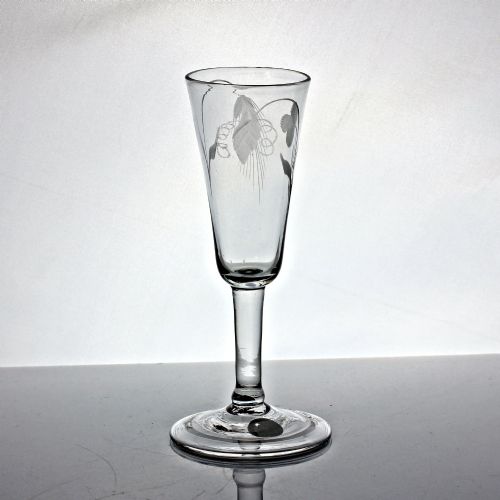
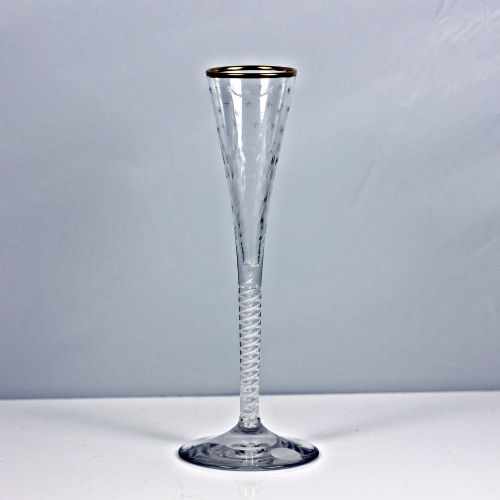
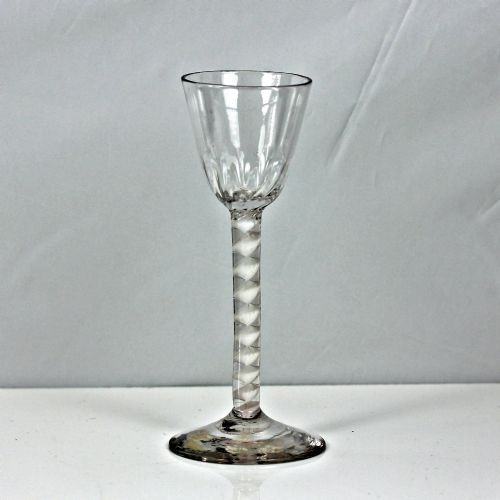
A clear wine flute is a tall drinking vessel designed for wines and sparkling drinks, appearing in forms ranging from eighteenth-century single series opaque twists to twentieth-century sets. Buyers searching for a clear wine flute encounter slender stemware alongside related drinking glasses and decanters from various periods.
The pieces on this page span the Georgian era, Victorian period, Edwardian years, Regency style, and nineteen-thirties production. Makers and manufacturers include Riihimaki and Hukin & Heath, representing both English craftsmanship and broader European glassmaking traditions.
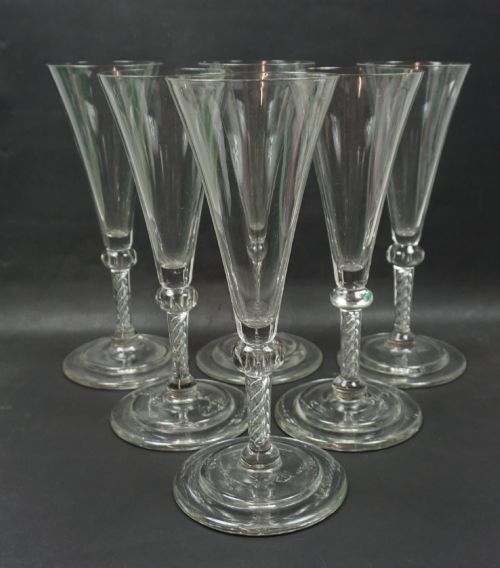
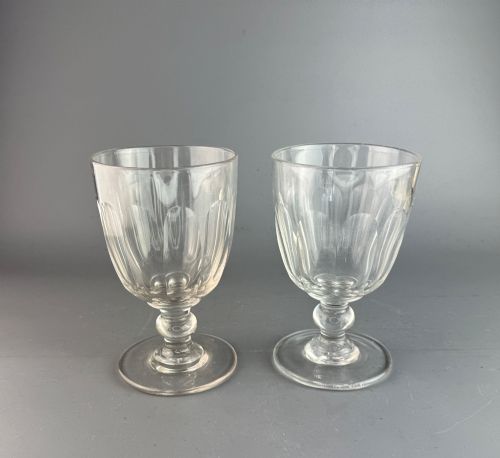
Stemware dominates the selection, featuring air twist stems, opaque twists, and flute-moulded ogee bowls. Alongside standard wine glasses, the inventory includes ratafia glasses, champagne flutes, ale glasses, rummers, and decanters.
What varies in quality
Quality rests in the clarity of the glass and the precision of the twist or cut. Finer examples display sharp facet cutting, well-formed air bubbles within the stems, and crisp engraving without blurriness.
The weight and balance of the stemware dictate a higher grade of production, particularly in eighteenth-century pieces where twist formations require skilled manipulation. Matched sets and signed decanters show greater consistency across the group.
Clear Wine Flute Retail Price Guide 2026
Typical asking prices for clear wine flute among the pieces listed under this phrase on Sellingantiques today, from the lower quarter to the upper quarter. They describe what is for sale here now, not the wider market.
Rene Lalique·Riihimaki·Hukin & Heath
The Clear Wine Flute Glossary
- Air twist
- A decorative stem formation containing elongated spiral air bubbles trapped within the clear glass. This technique was popular in eighteenth-century drinking vessels.
- Opaque twist
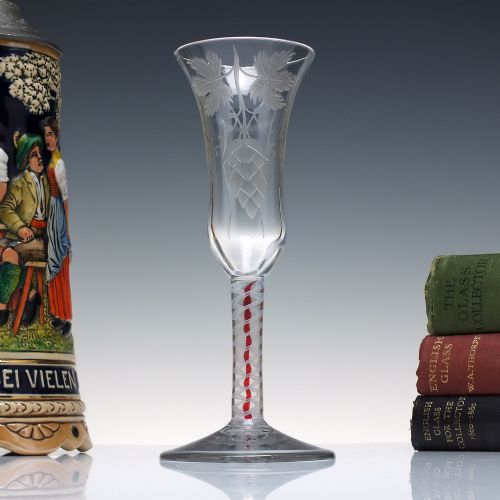
- A stem design featuring internal threads of white or coloured enamel twisted within the clear glass rod. Double and single series refer to the complexity of these internal threads.
- Ratafia glass
- A tall, narrow drinking glass traditionally used for sweet dessert liqueurs and cordials. These pieces often feature flute-moulded or engraved bowls.
- Balustroid
- A heavy stem style reminiscent of architectural balusters, common in Georgian glassware. This form provides substantial weight beneath the bowl.
- Ogee bowl
- An S-curve profile bowl curving outward at the rim and inward at the base. It appears frequently on eighteenth-century wine and flute glasses.
Clear Wine Flute: Frequently Asked Questions
What is a clear wine flute used for?
These vessels serve for consuming wine and sparkling beverages, with narrow bowls designed to preserve effervescence and concentrate aromas.
Historically, specific variants accommodated specialised drinks like ratafia or ale, depending on the bowl shape and era.
How do I date an antique glass flute?
Dating relies on stylistic markers such as stem construction, bowl moulding, and engraving techniques characteristic of periods like the Georgian era or the nineteen-thirties.
Pontil marks on the base and the composition of the lead glass also offer clues to the manufacturing decade.
Are these glasses safe to use?
Most antique and vintage glassware remains functional for gentle use, provided it is washed by hand in lukewarm water.
Avoid sudden temperature changes to protect the older lead glass and delicate air twist stems from thermal shock.
What is the difference between air twist and opaque twist?
Air twists contain spiral channels of trapped air inside the transparent stem, created during the glassblowing process.
Opaque twists incorporate solid white or coloured enamel rods twisted into the molten glass matrix to produce visible opaque white threads.