





Clear Glass Tableware
Clear glass tableware brings substance to a dining table through the weight of lead crystal and cut glass.
Clear Glass Tableware
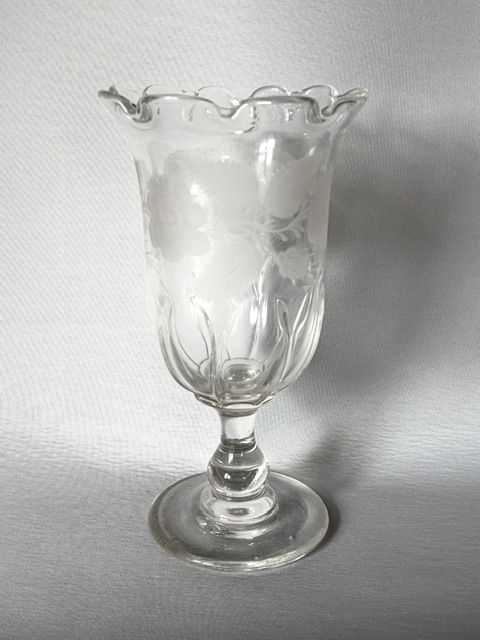
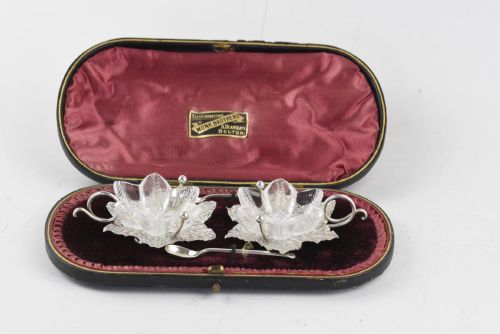
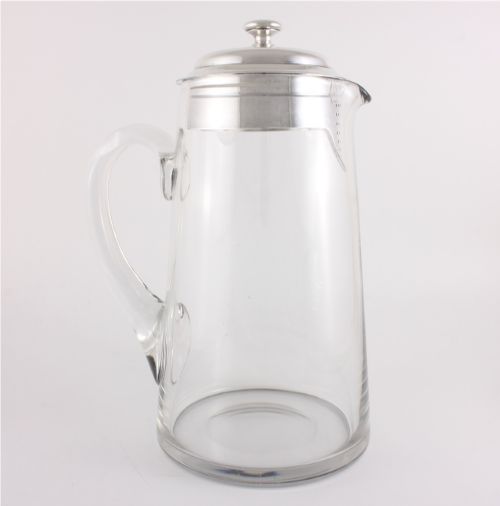
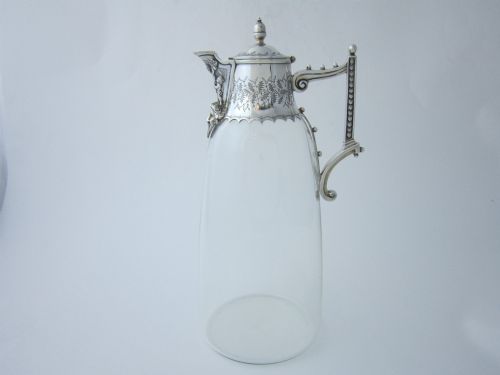
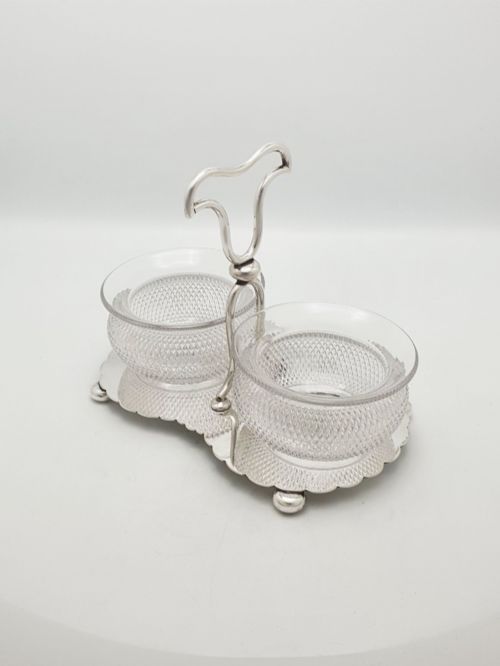
Clear glass tableware encompasses functional vessels and serving pieces intended for dining and display, spanning from the eighteenth century into the twentieth century. These objects include salt cellars, decanters, jugs, bowls, and cruet sets produced during the Georgian, Victorian, and Edwardian periods.
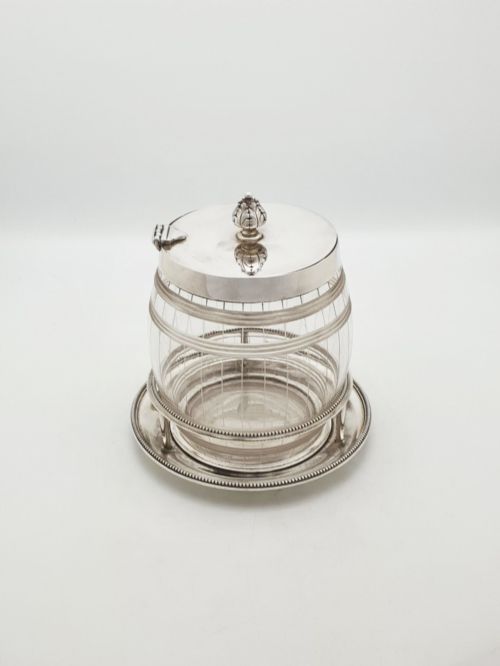
Buyers encounter items ranging from simple hand-blown plates and rinsers to heavily faceted cut crystal comports and silver-mounted biscuit barrels. The selection leans heavily toward nineteenth-century Victorian and Edwardian examples paired with sterling silver or silver plate.
How they were made
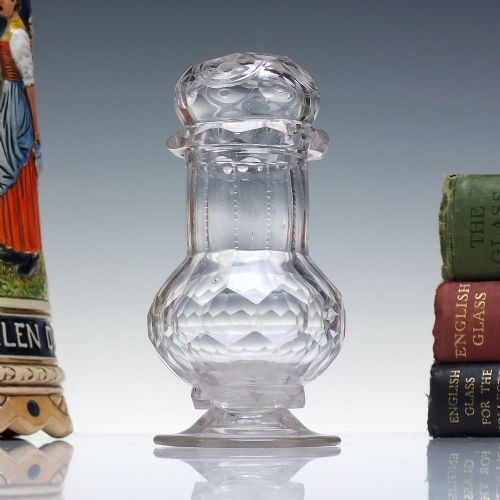
Makers utilised free-blown and hand-blown techniques alongside mould-blowing to shape clear glass and crystal before applying decorative cuts, engravings, or etchings. Wheel-cut facets and linear motifs define much of the cut glass seen across these periods.
Metal mounts in sterling silver and silver plate frequently accompany the glass components, secured to items such as claret jugs, pepper grinders, and preserve pots. Maker mounts and silver hardware add structural weight and contrasting reflective surfaces to the tableware.
Clear Glass Tableware Retail Price Guide 2026
Typical asking prices for clear glass tableware among the pieces listed under this phrase on Sellingantiques today, from the lower quarter to the upper quarter. They describe what is for sale here now, not the wider market.
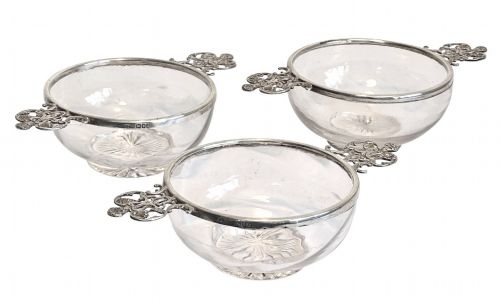
Victorian dining tables relied on tiny glass custard cups to serve individual portions of dessert to guests.
What varies in quality
Quality rests in the clarity of the metal, the crispness of the wheel-cut facets, and the harmonious integration of silver mountings with the glass body. Heavy lead crystal exhibits a resonant ring and deep refraction that lighter, plain glass lacks.
The precision of hand-engraving and the weight of matching silver-plated or sterling silver hardware distinguish fine workshop output from standard domestic utility pieces. Original matching sets and fitted saucers elevate the standing of surviving tableware.
William Comyns·Elkington·Christofle·Asprey and Co.
The Clear Glass Tableware Glossary
- Cut Glass
- Glass decorated by holding the vessel against a rotating abrasive wheel to carve geometric patterns and facets into the surface. This technique produces sharp edges and high light refraction.
- Lead Crystal
- Glass containing a significant proportion of lead oxide, which increases weight, clarity, and brilliance. It allows for deeper cutting without fracturing.
- Salt Cellar
- A small open bowl or dish placed on the table to hold salt before individual shakers became common. They often feature fitted saucers and paired spoons.
- Sugar Caster
- A perforate-topped jar utilised for sprinkling sugar over food. Eighteenth-century examples often incorporate a screw foot base mechanism.
- Comport
- A large pedestal bowl or dish raised on a standard, utilised for serving fruit or sweetmeats on the dining table. They frequently employ hand-blown and cut crystal construction.
Clear Glass Tableware: Frequently Asked Questions
How do I clean antique silver-mounted glass?
Clean the glass body using warm soapy water while keeping silver mounts dry to protect adhesives and metal finishes. Polish silver components separately with a soft cloth and dedicated metal cleaner.
Avoid submersing antique pieces with bonded metal mounts or old cork linings in water for extended periods. Hand drying immediately prevents moisture pooling in engraved crevices.
What is the difference between crystal and glass?
Crystal contains lead oxide, which adds substantial weight, brilliance, and a ringing tone when struck. Plain glass lacks this lead content and feels lighter.
Cut crystal displays sharper refractive edges and greater clarity than standard utility glass of the same period.
How do I date cut glass tableware?
Examine the depth of the cutting, the form of the vessel, and any accompanying silver hallmarks. Georgian and Regency pieces often feature broader, hand-polished facets while Victorian and Edwardian items display sharper mechanical cuts.
Matching silver mounts frequently carry date letters and maker marks that pinpoint the exact year of manufacture.
Were these pieces meant for daily use?
Tableware such as decanters, finger bowls, and water jugs served active dining functions in wealthy nineteenth-century households. Heavier crystal items were built to withstand regular handling during formal meals.
Today, many buyers use these items for display or occasional entertaining rather than daily service.