




Clear Glass Spirit Flask
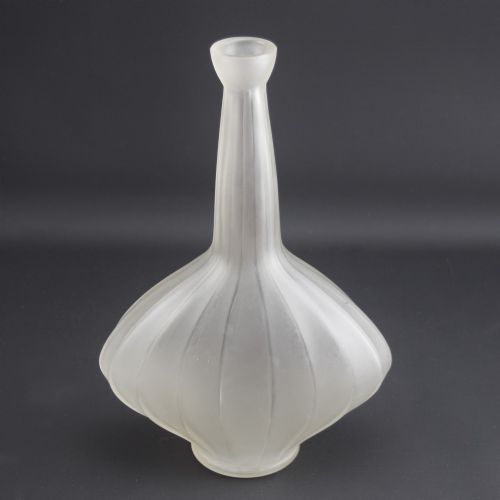
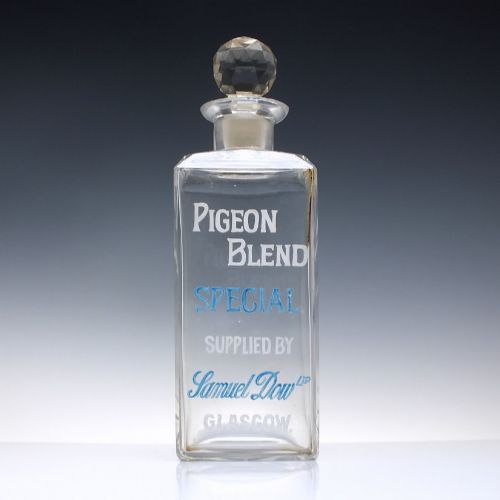
These clear glass spirit flask pieces range from pocket-ready hip flasks to table decanters, combining utility with period craftsmanship.
Clear Glass Spirit Flask
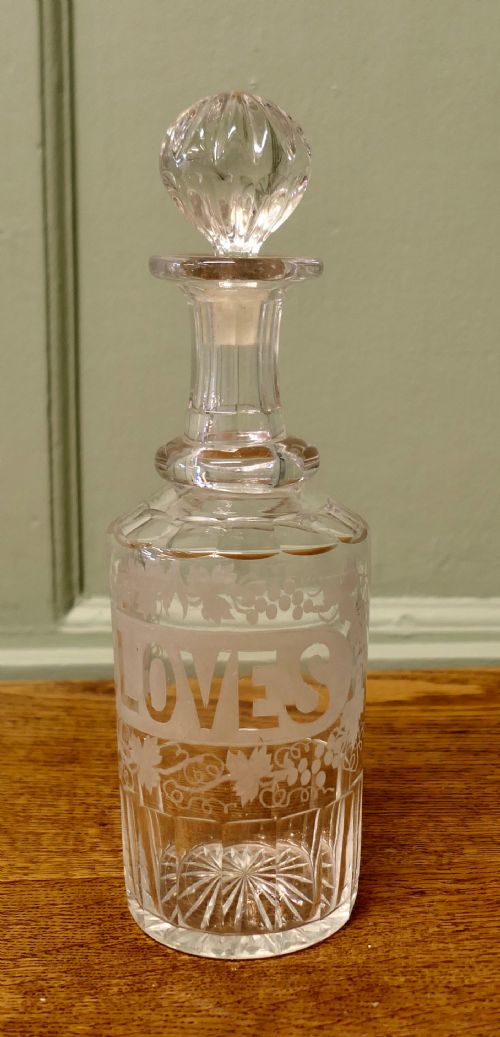
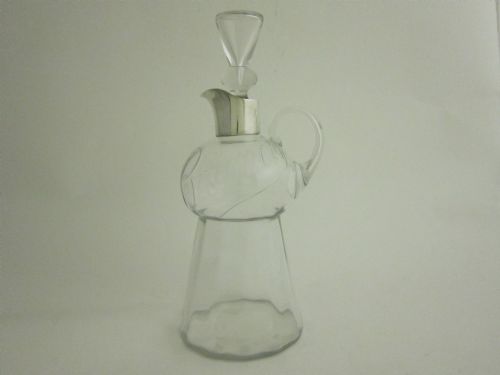
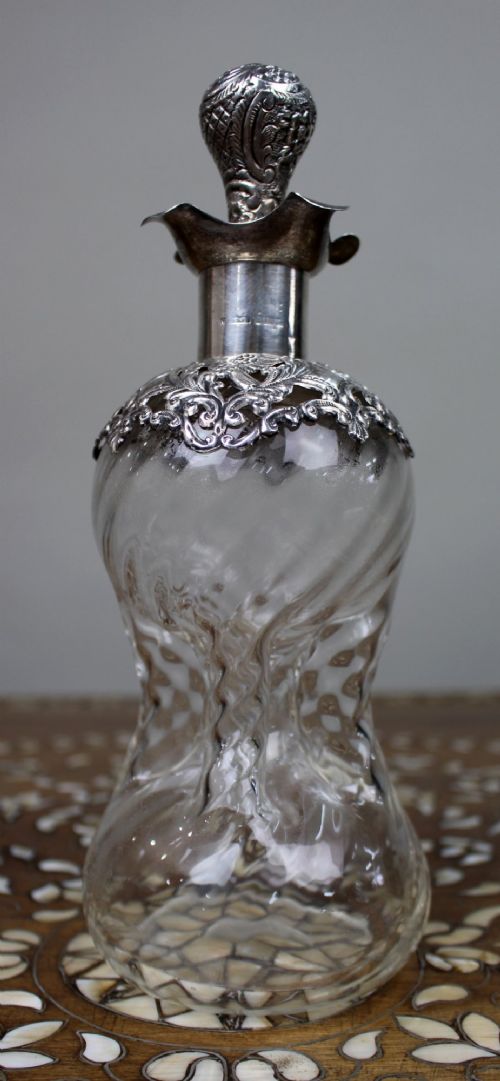
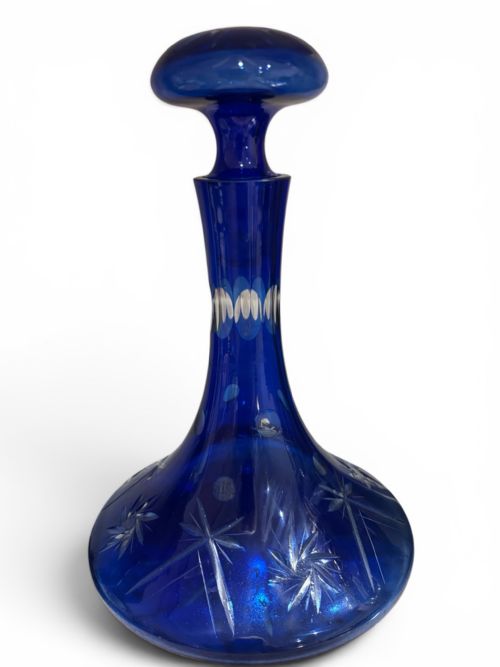
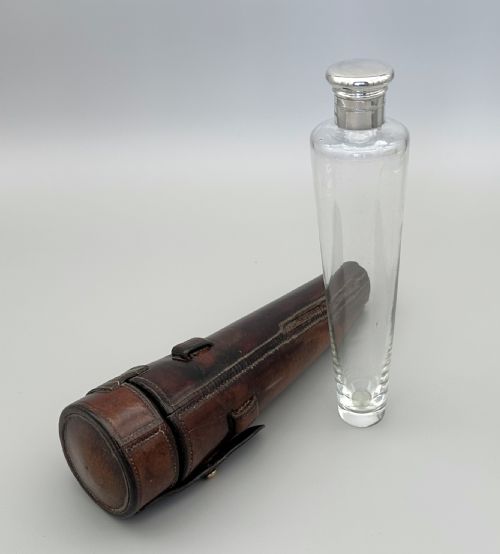
When you search for a clear glass spirit flask, you encounter vessels designed to hold alcohol for travel or the table, spanning the eighteenth to the twentieth centuries. The selection includes Victorian pocket hip flasks fitted with removable cups alongside larger serving bottles and decanters.
You meet examples originating from England, Ireland, Scotland, Bohemia, and Germany, demonstrating how widely portable and table spirit storage was adopted. Styles stretch from Georgian and Victorian to Edwardian and Art Deco, reflecting the changing tastes of drinkers across multiple eras.
What varies in quality
Quality diverges in the crispness of the glass cutting, the weight of the lead crystal, and the substance of the silver mounts or removable cups. Finely executed hand enamel work and crisp wheel-etched details distinguish finer items from simpler production pieces.
The presence of original fitted cases, fully functioning hallmarked silver hardware, and undamaged enamel or glass surfaces elevates the execution of a specimen.
Among the portable vessels is a glass decanter shaped precisely as a dog, hailing from Bohemia and Scandinavia around 1880.
The Clear Glass Spirit Flask Glossary
- Hip flask
- A pocket-sized container designed for carrying spirits, often featuring a curved profile and a secure captive or screw cap.
- Decanter
- A vessel used for holding and serving decanted liquor or wine, typically sealed with a glass stopper.
- Lead crystal
- A heavy, brilliant variety of glass containing metallic oxide, offering high clarity and sharp cut facets.
- Sterling silver
- A silver alloy containing ninety-two point five percent pure silver, commonly used for the caps, collars, and cups on better flasks.
Clear Glass Spirit Flask: Frequently Asked Questions
What is a clear glass spirit flask?
A clear glass spirit flask is a portable or table-bound container created to hold liquor such as whisky, brandy, or schnapps. These items range from pocket hip flasks with silver cups to larger serving bottles.
They combine glass bodies with metal mounts, often bearing hallmarks that help date their manufacture to periods like the Victorian or Edwardian eras.
How do I date a glass flask?
Dating relies on stylistic clues, glass-cutting techniques, and metal hallmarks stamped onto the silver collars or caps. Victorian and Edwardian examples often feature specific monograms or maker marks alongside registration numbers.
Earlier eighteenth-century pieces display hand-blown characteristics, thick pontil marks, and traditional polychrome enamel decoration rather than machine-cut facets.
Were these flasks used for travel?
Pocket hip flasks were specifically built for travel, hunting, and outdoor pursuits, evidenced by their curved bodies and secure screw-down lids. Many included a removable silver cup nestled at the base for drinking on the go.
Larger decanters and serving bottles remained in the dining room or parlour for dispensing spirits directly into glasses.
What metals are found on these flasks?
Sterling silver, silver plate, and pewter are the primary metals utilised for the mounts, collars, and lids of these glass vessels. Sterling silver components frequently carry hallmarks indicating the assay office and year of production.
Some portable versions also feature gilt interiors within their removable silver drinking cups.