





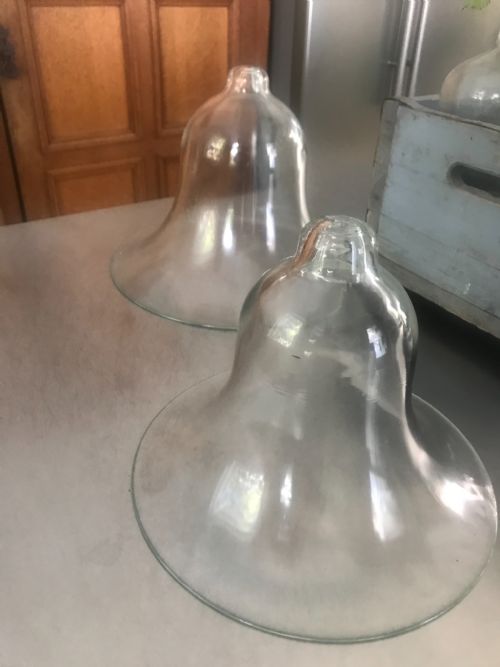


Clear Glass Display Dome
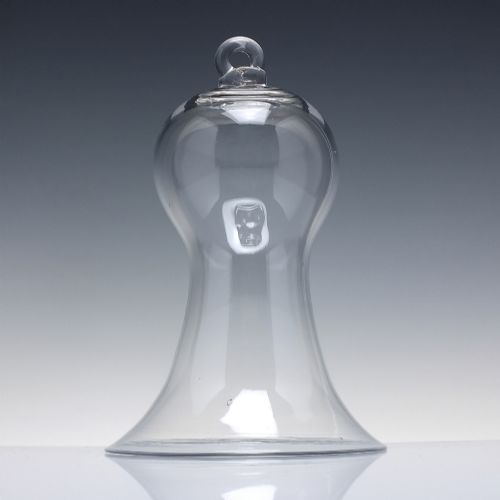
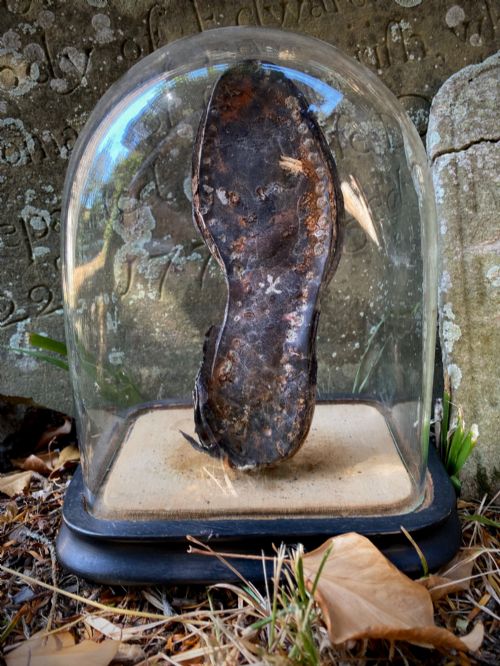
A clear glass display dome protects delicate ornaments and taxidermy whilst offering an unobstructed view of treasured interior collections.
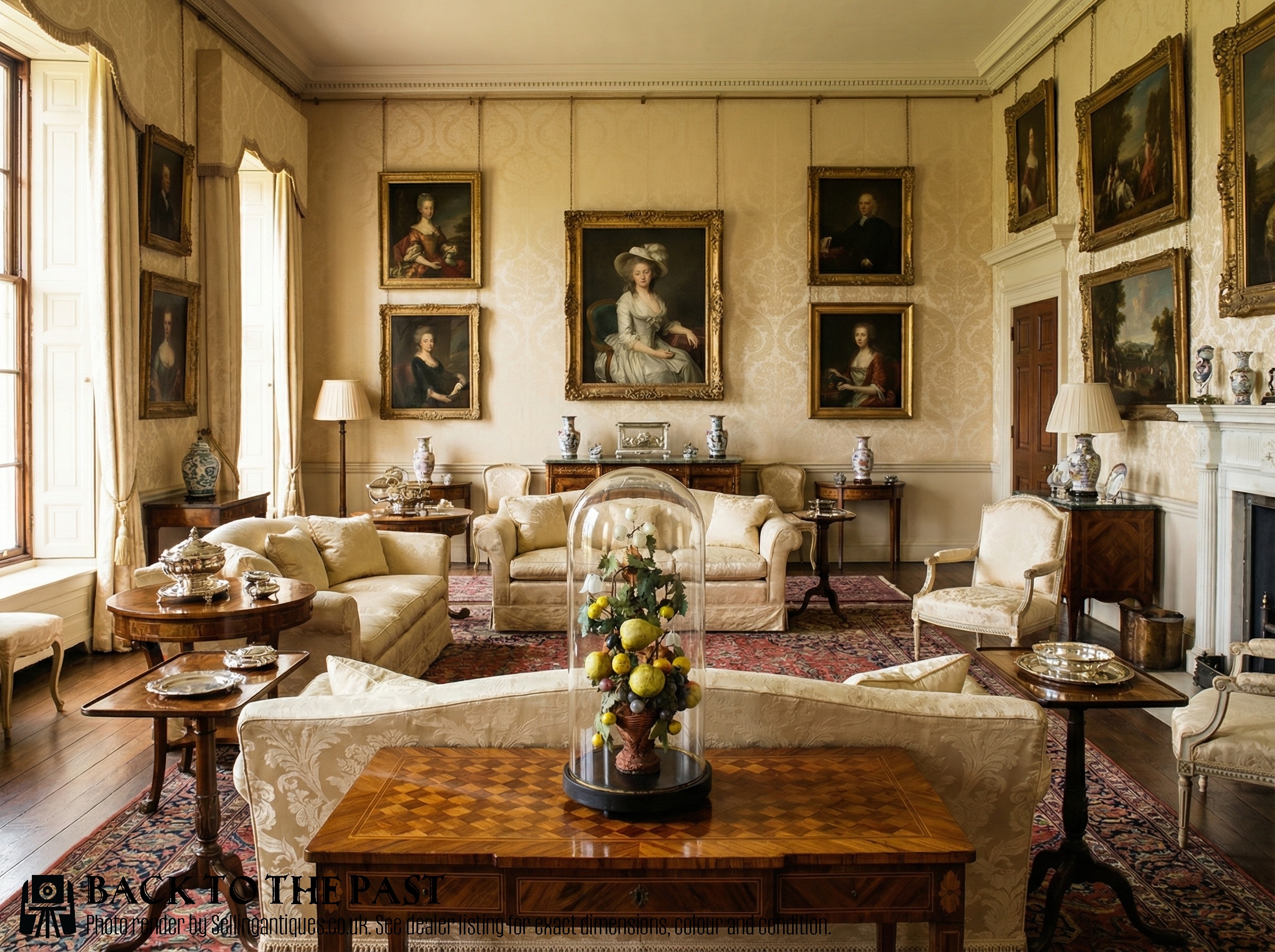
Clear Glass Display Dome
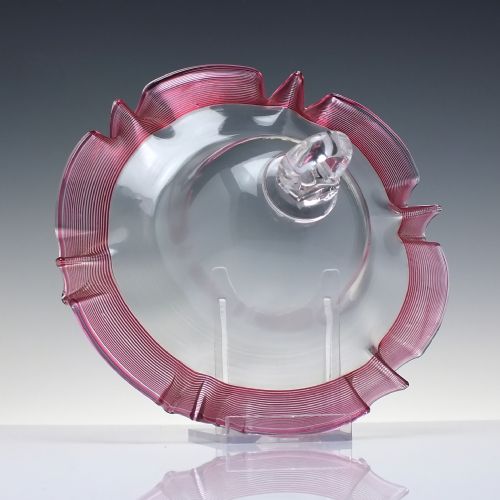
A clear glass display dome serves to house and protect delicate interior objects, bringing a sense of order to collections. Buyers seeking a clear glass display dome will encounter various forms designed for specific purposes, ranging from taxidermy showcases to clock cases.
The pieces seen here span the Victorian, Edwardian, and Georgian periods, alongside specimens from 1800, 1860, 1870, 1875, 1880, 1890, 1900, 1905, and 1910. Examples are identified as Late Victorian and feature object types such as display domes and cloches, mantel lustres, decorative objects, display cases, and taxidermy domes.
English origins predominate among these items, which frequently function as specimen cases or collector domes. The structural varieties include tall, small, wide, oval, and ovoid formats tailored for ornaments, botany, and still life compositions.
Materials and Construction
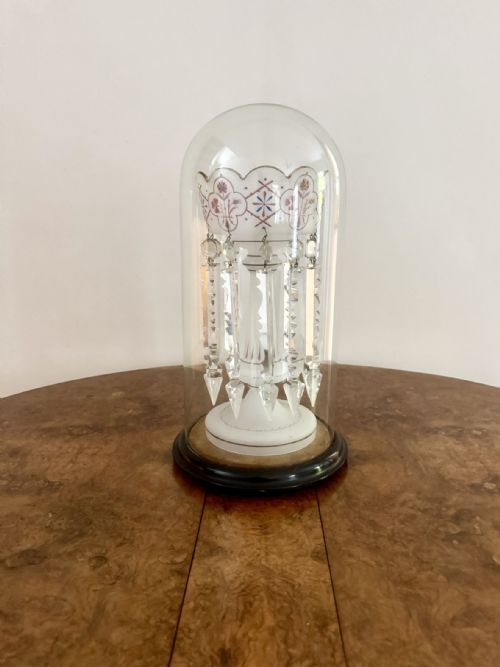
The primary material is glass, formed into large, tall, small, wide, oval, and ovoid cloches and domes that cover objects completely. This glass rests upon circular or oval bases constructed from wood.
Bases frequently utilise ebonised wood, beech, oak, or pine, sometimes enhanced with marquetry detailing. Interior presentations incorporate fabrics such as velvet, felt, and baize to display taxidermy birds, fruits, and porcelain items.
Clear Glass Display Dome Retail Price Guide 2026
Typical asking prices for clear glass display dome among the pieces listed under this phrase on Sellingantiques today, from the lower quarter to the upper quarter. They describe what is for sale here now, not the wider market.
Base materials recorded across the inventory include ebonised wood, beech, oak, and pine, paired with velvet, felt, and baize.
Quality Variations
Quality rests upon the clarity and weight of the glass dome itself, distinguishing standard covers from heavier, well-blown examples. Superior items possess smooth, unblemished glass surfaces that maintain structural integrity across wide and tall spans.
The craftsmanship of the wooden base elevates the overall standard, particularly when utilising ebonised timber, oak, beech, pine, or marquetry detailing. Bases fitted with specialised interior fabric linings like velvet, felt, or baize indicate careful original pairing with the enclosed specimens.
The Clear Glass Display Dome Glossary
- Cloche
- A bell-shaped glass cover traditionally used for protecting delicate items or plants. It sits directly upon a flat base or surface.
- Ebonised wood
- Timber treated with a dark stain or finish to imitate ebony. This material often forms the heavy circular or oval bases of Victorian domes.
- Marquetry
- Inlaid wood pieces arranged in decorative patterns on a wooden surface. Such detailed woodwork occasionally decorates the display bases.
- Mantel lustre
- An ornamental glass vessel hung with crystal prisms, sometimes associated with the styles found alongside these glass domes.
- Baize
- A coarse woolen fabric resembling felt. It frequently lines the interior wooden bases where specimens or clock movements rest.
Clear Glass Display Dome: Frequently Asked Questions
What fits under a glass dome?
These glass covers accommodate a variety of treasured items, including taxidermy birds, botanical specimens, still life fruit compositions, and decorative ornaments.
They also serve to shelter mechanical items such as carriage clocks, mantel clocks, and desk timepieces from dust and accidental damage.
How do I style a glass dome?
Position a dome upon a central table, mantelpiece, or dressing table where its clear glass offers an unobstructed view from all sides. Pair the enclosed objects with complementary textures like wood, fabric, or polished metal nearby.
Ensure the scale of the wooden base matches the surrounding furniture to maintain a balanced interior display.
How do I date a glass dome?
Dating relies heavily on the characteristics of the wooden base, such as the use of ebonised pine, oak, beech, or marquetry details typical of Victorian and Edwardian joinery. Heavier glass blowing techniques and specific proportions also help differentiate mid nineteenth-century examples from later Edwardian pieces.
Documentation or regional English manufacture styles provide further clues when assessing the period of the item.