
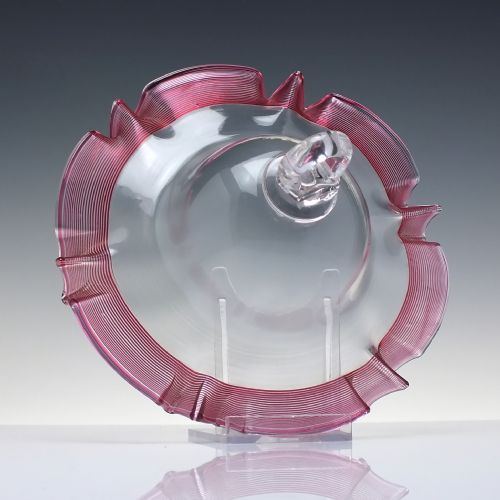


Clear Glass Cloche Cover
These clear glass cloche cover pieces are protective glass domes used to shelter delicate ornaments, timepieces, and botanical specimens.
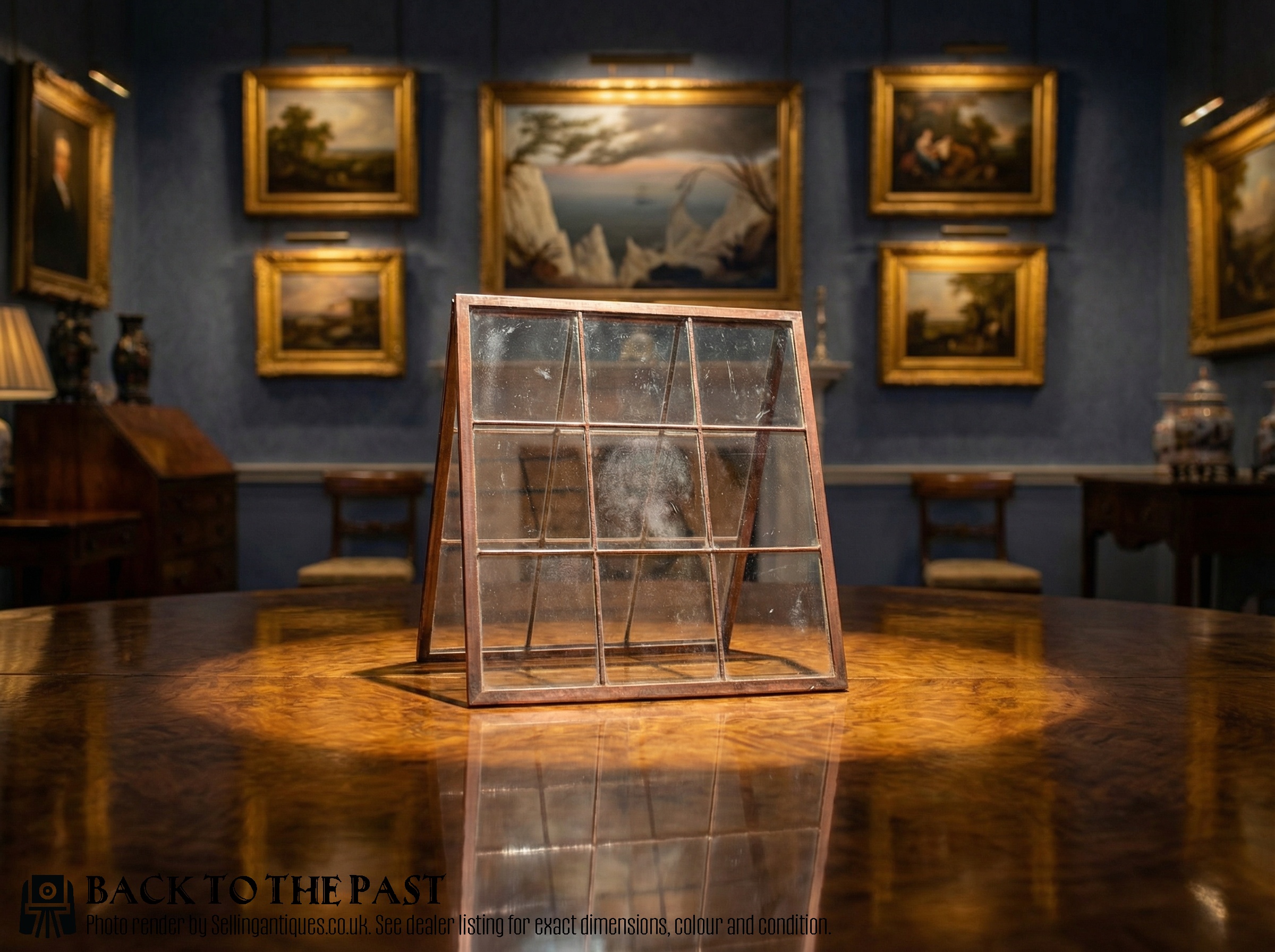
Clear Glass Cloche Cover
When searching for a clear glass cloche cover, buyers encounter English display pieces spanning the Victorian, Edwardian, and Georgian periods alongside 1900 examples. The forms vary from tall and wide display domes to ovoid clock cases and garden cloches.
The versions most frequently met on this page include Victorian and Edwardian taxidermy showcases, ornament display domes, and clock cases. These items originate predominantly from English workshops of the nineteenth and early twentieth centuries.
Makers designed these glass covers to sit upon timber bases fitted with fabric or wood linings. Objects range from small single-item display cases to large specimen showcases housing preserved birds, insects, and mantel clocks.
Quality variations in glass and timber
The clarity and thickness of the blown glass distinguish finer examples from standard production. Superior glass covers maintain uniform thickness and minimal distortion across the curve of the dome.
The joinery and timber selection of the base determine the overall standard of the piece. Better examples utilise seasoned woods such as oak and beech, often paired with carefully fitted baize or velvet linings.
Taxidermists once relied on these glass domes to keep parlour owls looking freshly startled for decades.
The Clear Glass Cloche Cover Glossary
- Cloche
- A bell-shaped glass cover traditionally utilised to protect plants in gardens or delicate items indoors. The term derives from the French word for bell.
- Display dome
- A transparent glass cover mounted on a base to showcase and protect objects such as taxidermy and ornaments. These vessels preserve delicate contents from dust and handling.
- Clock dome
- A specialised glass cover shaped to house mantel, carriage, or bracket clocks. They protect delicate clock movements from atmospheric dust while allowing visual inspection.
- Ebonised wood
- Timber treated with a finish to imitate ebony. This dark surface provides a contrasting border for the clear glass cover above.
Clear Glass Cloche Cover: Frequently Asked Questions
How do I clean a clear glass cloche cover?
Clean the glass carefully using mild soapy water and a soft cloth to avoid scratching the surface. Dry thoroughly with a lint-free towel before placing the cover back onto its wooden base.
Take care when lifting the glass dome, supporting its weight evenly with both hands. Avoid using abrasive cleaners on any attached fabric linings or ebonised wood elements.
What were glass domes originally used for?
Victorian households utilised glass domes to protect delicate taxidermy specimens, clocks, and ornaments from dust and moisture. They served as decorative display pieces in parlours and drawing rooms.
Some variations functioned in gardens to shelter young plants from frost and pests. The clear glass allowed sunlight to reach the plants while maintaining a stable microclimate.
How do I identify Victorian glass domes?
Victorian examples often feature thick, hand-blown glass with characteristic tiny bubbles and slight surface irregularities. They typically rest upon round or oval wooden bases made of ebonised wood, mahogany, or walnut.
Later Edwardian versions frequently utilise lighter woods such as oak and beech. Examining the base construction and glass characteristics helps distinguish between nineteenth-century and twentieth-century pieces.
Can these domes be used for modern displays?
These glass covers adapt well to contemporary interiors for displaying modern sculptures, minerals, or dried botanical specimens. Their simple transparent forms complement various design styles while protecting objects.
Ensure the interior dimensions of the dome match the scale of the object you wish to display. The base should comfortably accommodate the item with adequate clearance beneath the glass.