



Clear Glass Claret Jug
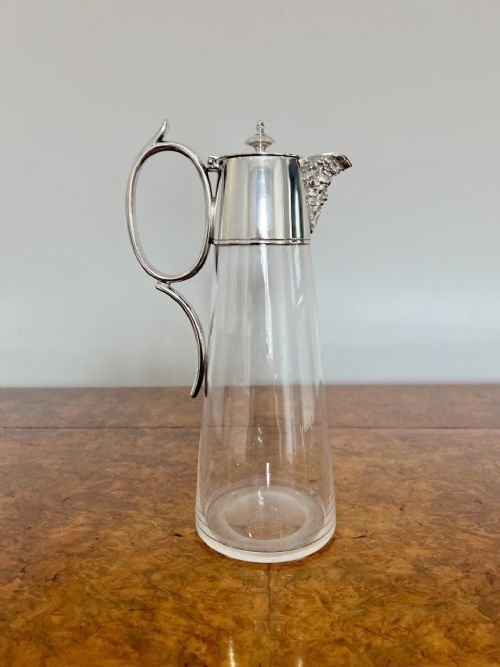
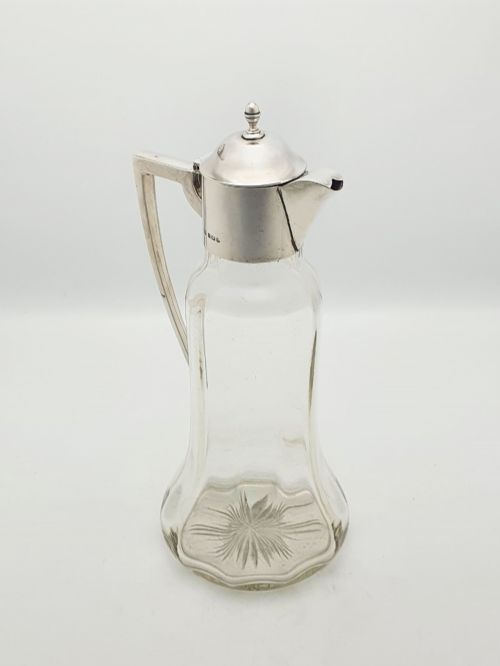
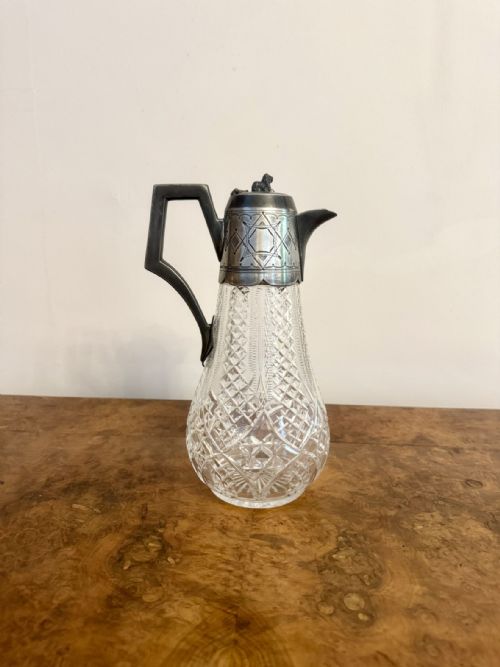
A clear glass claret jug brings table service alive through the interplay of bright crystal, cut facets and polished metal mounts.

Clear Glass Claret Jug
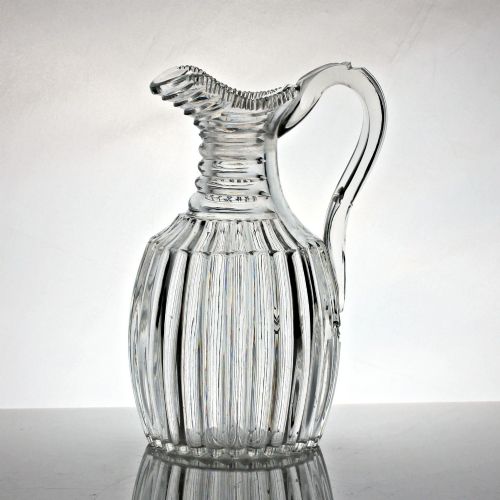
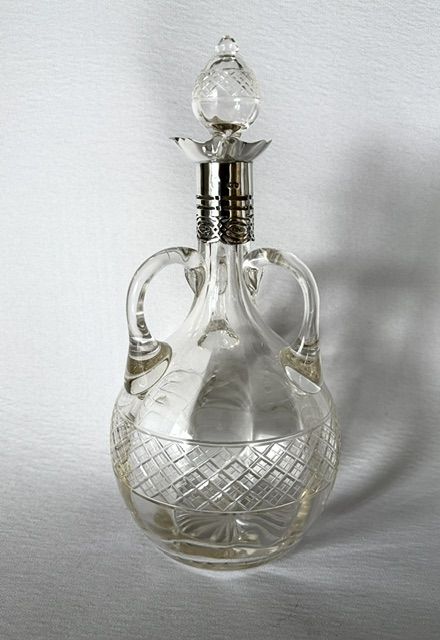
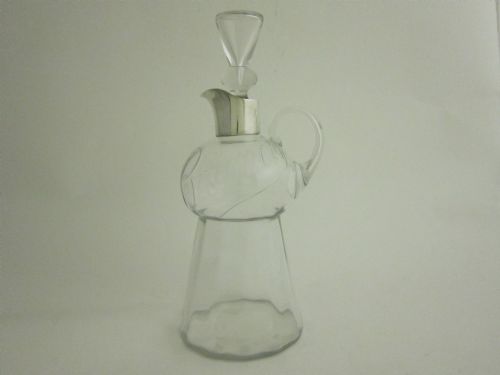
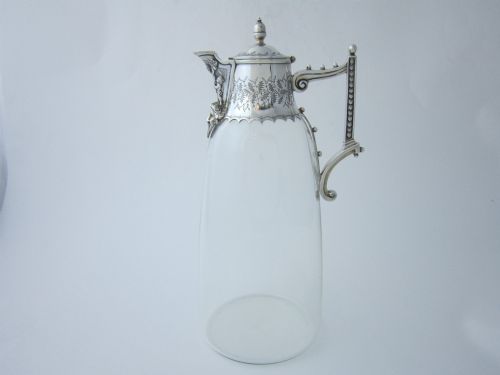
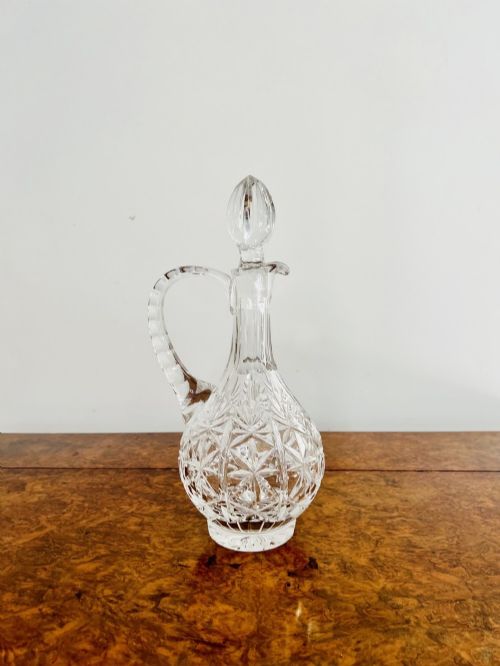
When you search for a clear glass claret jug, you encounter formal serving vessels intended for wine, primarily produced during the Victorian and Edwardian eras. These pieces combine transparent or crystal glass bodies with metallic mounts, handles and hinged lids.
The versions most frequently met on this page date from the nineteenth and early twentieth centuries, spanning periods from the 1860s through to the Edwardian years. They appear in forms ranging from ovoid bodies with spiral cuts to pillar and prism designs.
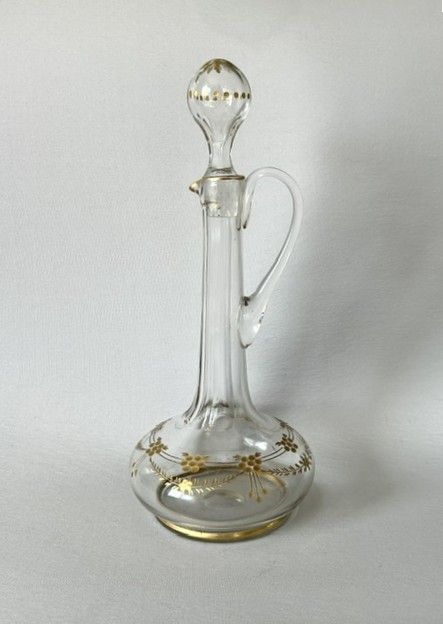
Makers utilised various allied designations in period records, grouping them alongside decanters, ewers and water jugs. Despite these alternative labels, the fundamental purpose remains the serving of claret and other table wines.
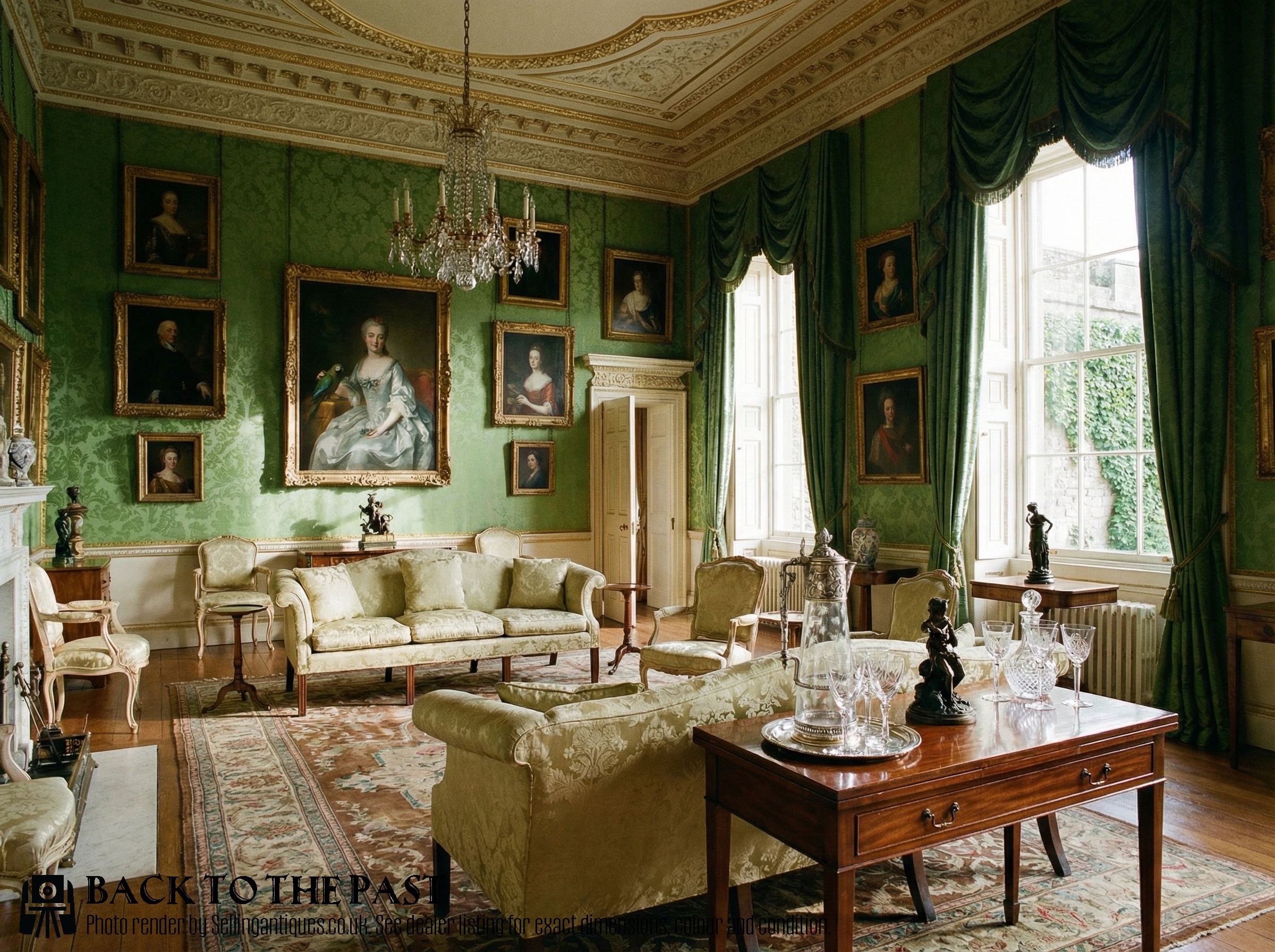
Materials and construction
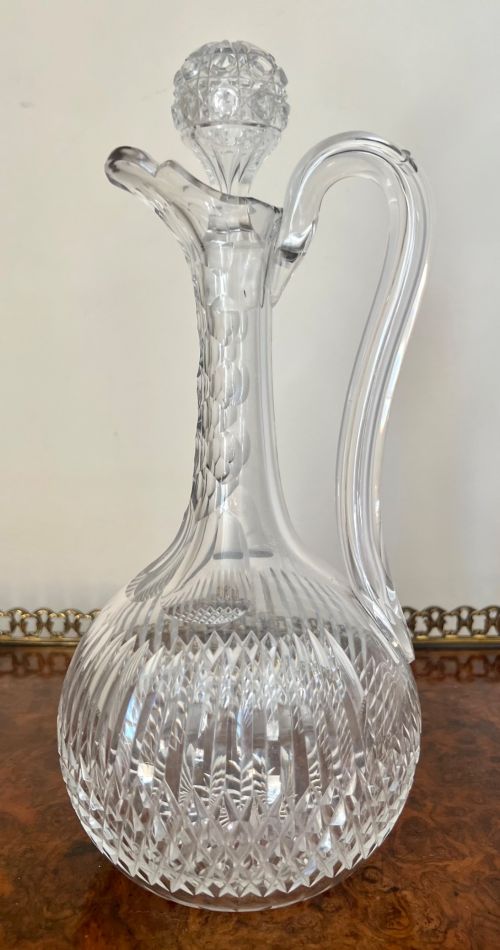
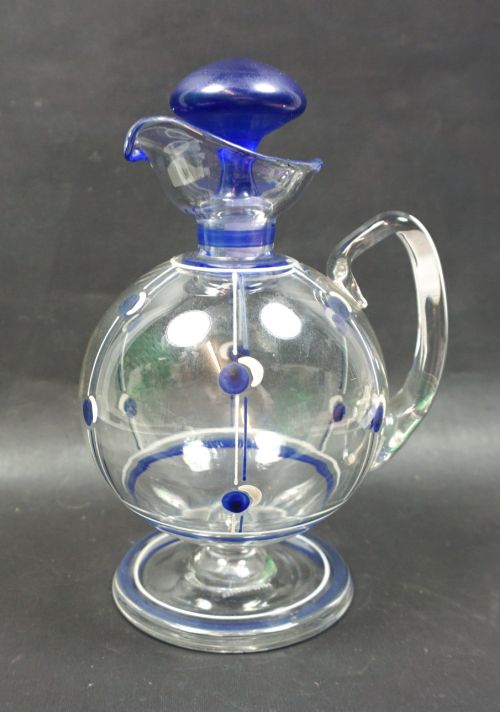
The body of each piece relies upon blown clear glass, crystal, or overlaid glass, frequently shaped while hot and subsequently finished with wheel cutting, pillar and prism patterns, or delicate engraving. Certain examples incorporate coloured glass elements, cranberry hues, or threaded glass details.
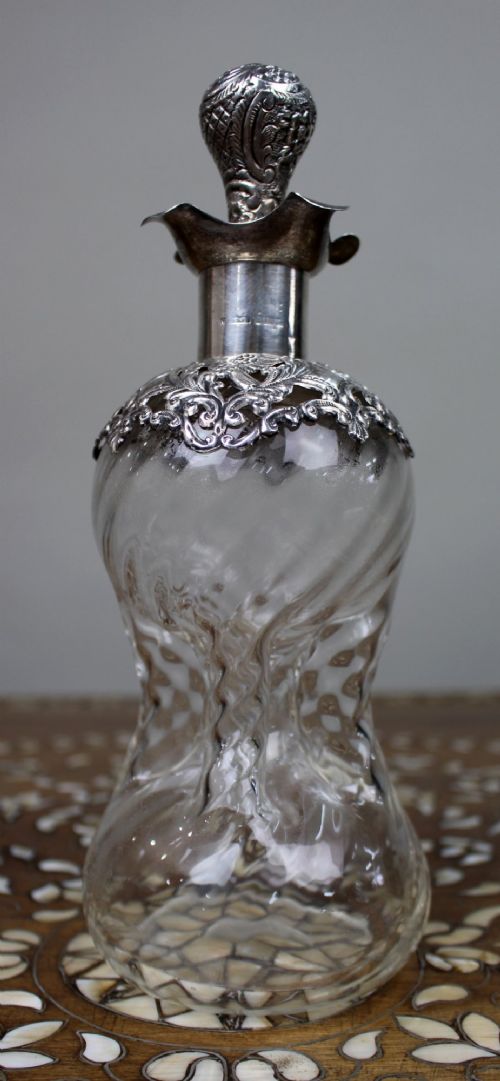
Mounts, handles and hinged lids demand sterling silver or silver plate, secured firmly around the neck and lip of the vessel. Silversmiths and plate workers fastened these components to complement the refractive qualities of the heavy glass below.
Clear Glass Claret Jug Retail Price Guide 2026
Typical asking prices for clear glass claret jug among the pieces listed under this phrase on Sellingantiques today, from the lower quarter to the upper quarter. They describe what is for sale here now, not the wider market.
Decorations across the inventory include pillar and prism cutting, acid etching, enamel work, and overlaid coloured glass in green and cranberry.
Assessing quality and execution
Quality depends upon the weight and clarity of the glass vessel, alongside the depth and crispness of the wheel-cut facets. Heavier crystal blanks and deeply carved geometric patterns demonstrate superior workshop capability.
The proportion and gauge of the silver or silver-plated mountings dictate the overall balance of the object. Substantial mounts with secure, well-fitted hinges and refined handle castings separate standard domestic items from finer productions.
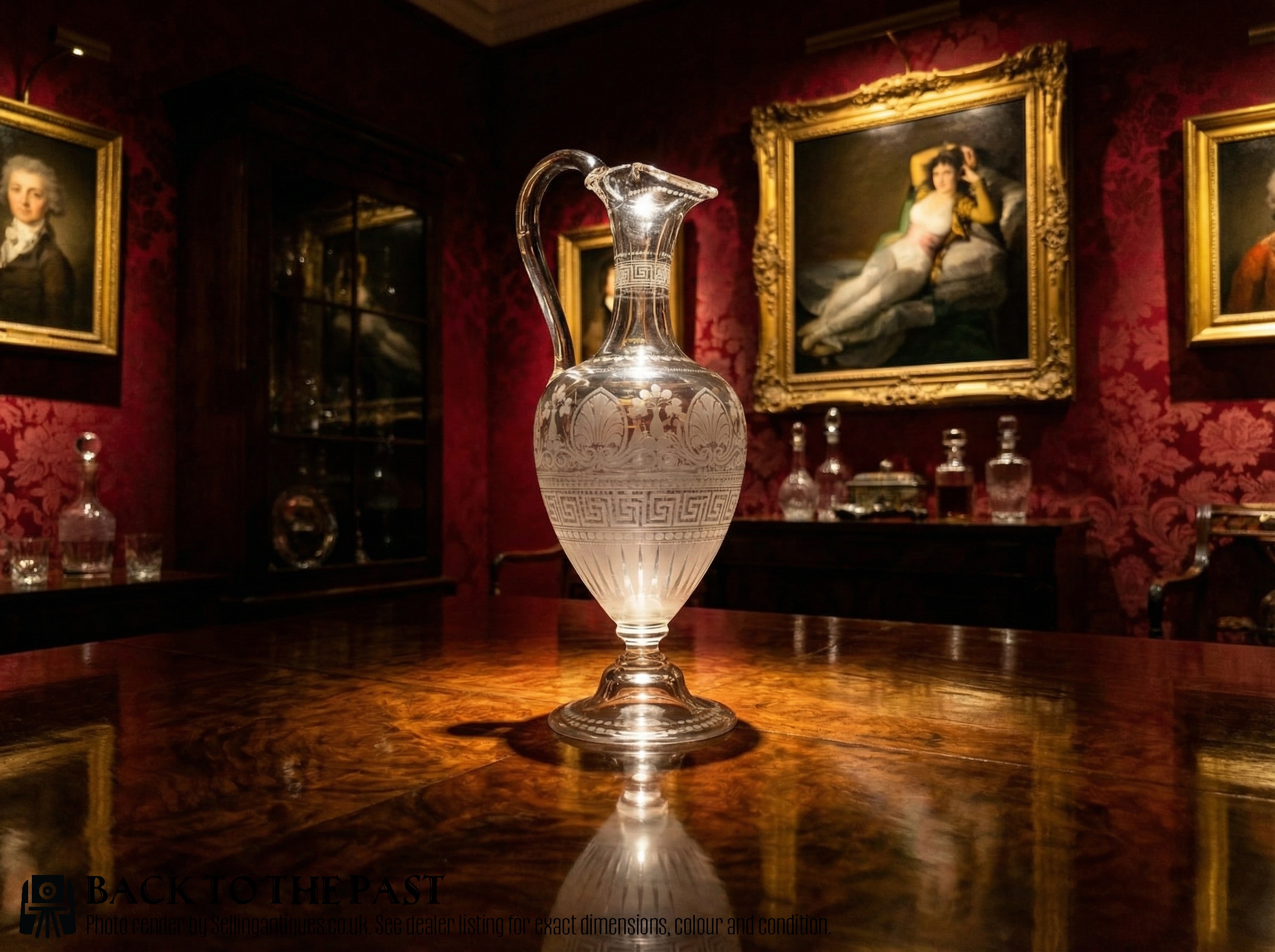
Mappin and Webb·Elkington and Co·Richardsons
The Clear Glass Claret Jug Glossary
- Claret jug
- A specialised pouring vessel designed specifically for serving red wine at the dining table. These pieces typically feature a hinged lid to preserve the wine.
- Sterling silver
- A silver alloy containing 92.5 percent pure silver by mass, utilised for the structural mounts and lids of high-end vessels. It bears official hallmarks denoting assay office and date.
- Silver plate
- A base metal substrate coated with a thin layer of silver, widely employed for mounts on Victorian and Edwardian tablewares. It offered a bright metallic finish at a lower cost than solid silver.
- Cut glass
- Glass decorated by abrasive wheels that grind geometric patterns, flutes, or facets into the surface. This technique enhances the refractive brilliance of the clear material.
- Ewer
- A large pitcher with a wide spout and elaborate handle, historically used for pouring water or wine. In nineteenth-century dining, the term frequently overlaps with claret jugs.
Clear Glass Claret Jug: Frequently Asked Questions
What is a claret jug used for?
A claret jug serves red wine at the dining table, allowing the beverage to breathe before pouring. The hinged lid keeps the contents protected during formal meals.
These vessels also function as decorative centerpieces when not in active service, catching the light through their cut or engraved glass surfaces.
How do I date a clear glass claret jug?
Dating relies upon examining the silver hallmarks on the mounts, the cutting style of the glass, and the overall form. Victorian examples often display heavier, elaborate ornamentation compared to Edwardian pieces.
Maker marks stamped onto silver-plated or sterling mounts provide definitive attribution to specific firms and active operating decades.
Are silver plated jugs durable?
Silver-plated mounts on nineteenth-century pieces utilise robust base metals underneath a protective layer of silver. With gentle handling and proper cleaning, the plating remains stable over generations.
Avoid abrasive cleaners to preserve the thin silver layer across the handle, collar, and hinged lid components.
What distinguishes crystal from glass?
Crystal contains mineral additives such as lead oxide that increase the weight, refractive index, and acoustic resonance of the material. This composition permits deeper, sharper wheel cutting than standard soda-lime glass.
Pieces formed from crystal exhibit greater brilliance and clarity under direct light.