



Clear Glass Chalice
A clear glass chalice brings weight and clarity to the table, offering a drinking vessel shaped for ceremony and celebration.
Clear Glass Chalice
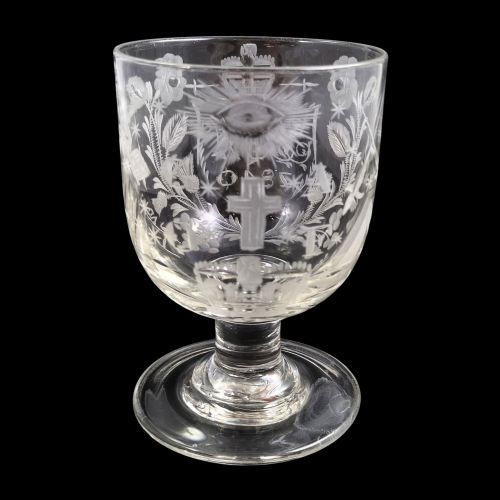
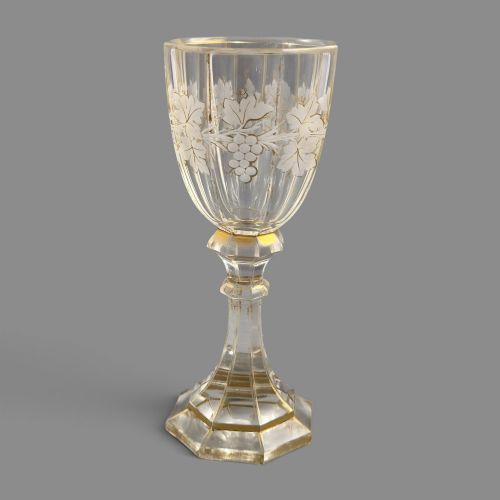
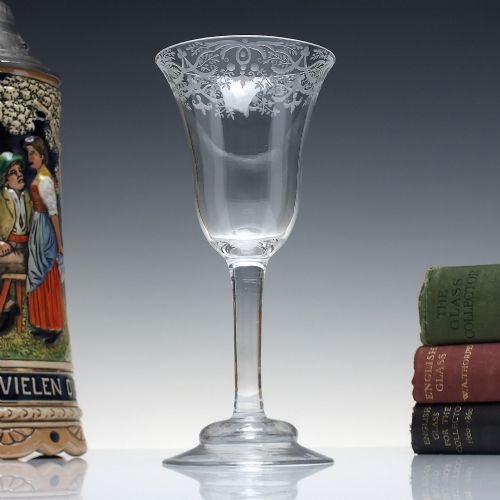
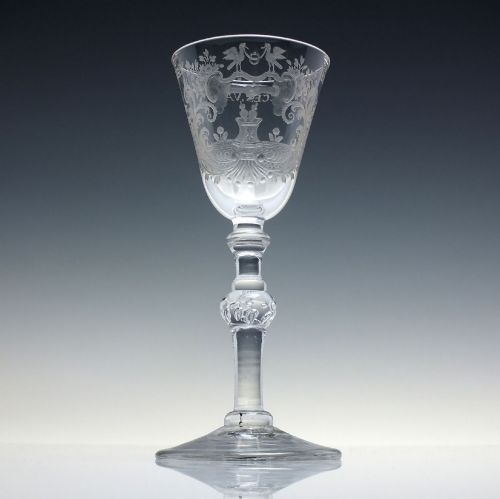
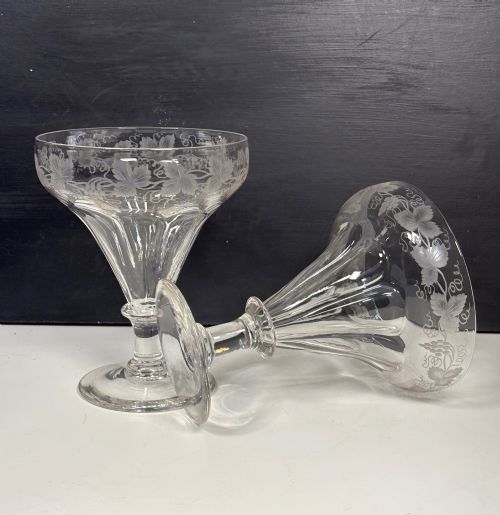
When you search for a clear glass chalice, you are looking at substantial drinking vessels and commemorative goblets designed across centuries. The pieces on this page span Georgian, Regency, and Victorian periods, taking forms such as rummers, baluster wine glasses, and heavy table goblets.
You will frequently meet English and Bohemian examples shaped from lead crystal or clear glass. These range from simple eighteenth-century plain stems to heavy nineteenth-century cut rummers and engraved commemorative pieces.
How they were made
Makers shaped these vessels using lead glass and clear crystal, working the hot material into heavy bowls and stems. Workers applied techniques such as hobnail cutting, wheel engraving, honeycomb moulding, and gilding to decorate the surface.
Some items incorporate gold leaf or enamel details fused to the clear body. Baluster stems and multi-ply twists required skilled manipulation of the metal while hot to achieve stable, balanced forms.
Listings include items spanning the Georgian, Victorian, and Regency periods, utilising lead glass, gold leaf, and enamel.
What varies in quality
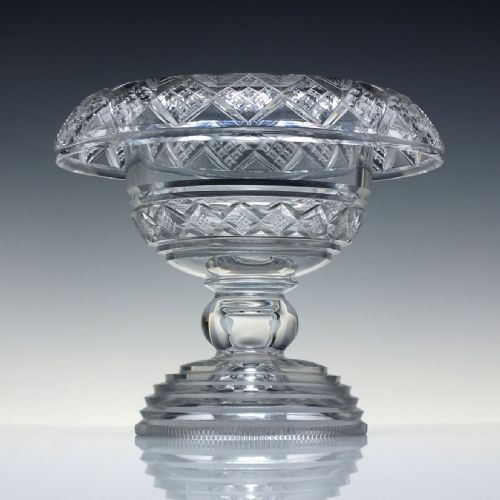
The standard of a clear glass chalice rests on the purity of the metal and the crispness of the wheel engraving or cutting. Superior pieces display deep, sharp facets and balanced proportions without distortion in the glass body.
Heavier lead crystal examples show greater brilliance and weight, whilst finer early stems rely on elegant proportions and subtle balustroid shaping. The precision of applied gilding and the clarity of engraved motifs separate standard vessels from exceptional ones.
Moser Bohemian·Adelbert Niemeyer
The Clear Glass Chalice Glossary
- Rummer
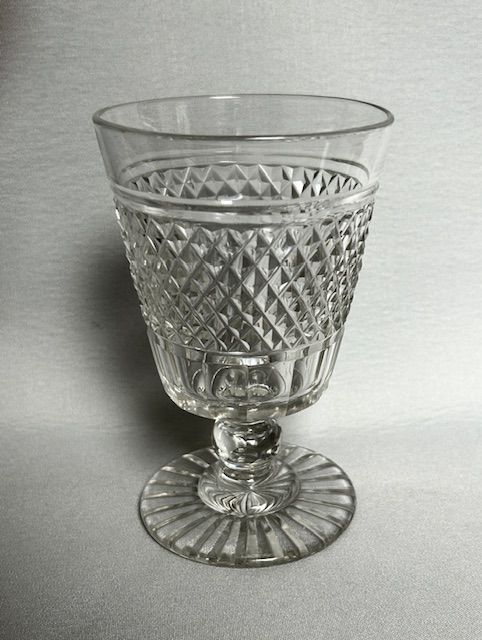
- A large, heavy drinking glass popular in the eighteenth and nineteenth centuries, often used for ale, wine, or punch. These vessels usually feature stout stems and capacious ovoid or bucket bowls.
- Baluster stem
- A thick, swelling stem form reminiscent of architectural balusters, common in English drinking glasses of the seventeenth and eighteenth centuries. It adds considerable weight to the lower section of the glass.
- Hobnail cut
- A decorative surface pattern of small, closely spaced pyramidal facets resembling the heads of traditional hobnails. This technique catches the light intensely on heavy nineteenth-century rummers.
- Liege
- Pertaining to the glass-making traditions of the Belgian region, known for distinctive moulded and honeycombed wine glasses. These continental pieces often exhibit characteristic handling of the metal.
- Jugendstil
- The continental European style movement contemporary with Art Nouveau, seen on early twentieth-century chalices. It favours organic, flowing lines and artistic integration of form.
Clear Glass Chalice: Frequently Asked Questions
What is a clear glass chalice used for?
These vessels served primarily for formal toasts, commemorative occasions, and communal drinking at banquets or gatherings. Their substantial capacity made them suitable for wine, ale, and punch.
Over time, many transitioned into decorative table centrepieces or display items rather than everyday tableware, prized for their decorative engraving and heavy crystal form.
How do I date a Georgian clear glass chalice?
Dating relies heavily on the form of the stem, the composition of the metal, and the style of engraving. Eighteenth-century pieces often feature plain stems, air twists, or baluster profiles.
Nineteenth-century examples tend to be heavier, utilising lead crystal with deep hobnail cutting or detailed floral and armorial engraving characteristic of the Regency and Victorian eras.
Are these chalices made of lead crystal?
Many of the English and Irish pieces in this selection are fashioned from lead glass or lead crystal, which provides greater weight and a resonant ring when struck. Continental pieces from Bohemia often utilise heavy crystal too.
The inclusion of lead oxide allowed makers to cut deeper facets and achieve higher optical clarity than standard soda glass.
How should I display a heavy glass rummer?
Place your chalice on a stable surface away from direct edge hazards, as lead glass and crystal carry significant weight. Ensure adequate lighting from the side to highlight wheel engraving and facet cutting.
Avoid overcrowding shelves so that the clarity of the clear glass and the proportions of the stem remain fully visible.