


Clear Etched Glasses
Clear etched glasses bring light and pattern to a room, offering tactile surfaces and historical ornament that standard modern glassware simply cannot replicate.
Clear Etched Glasses
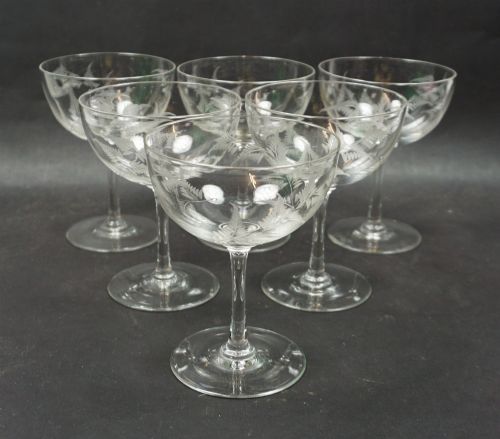
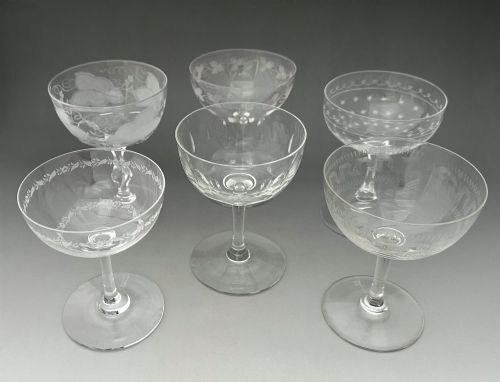
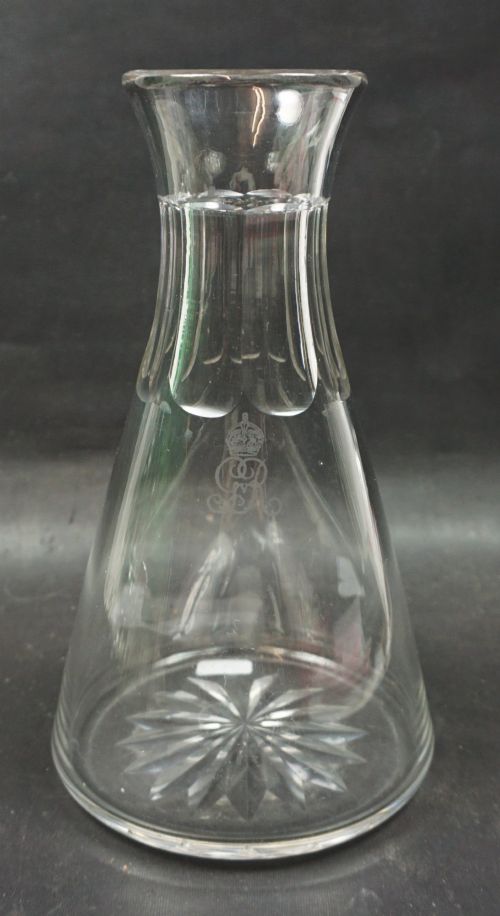
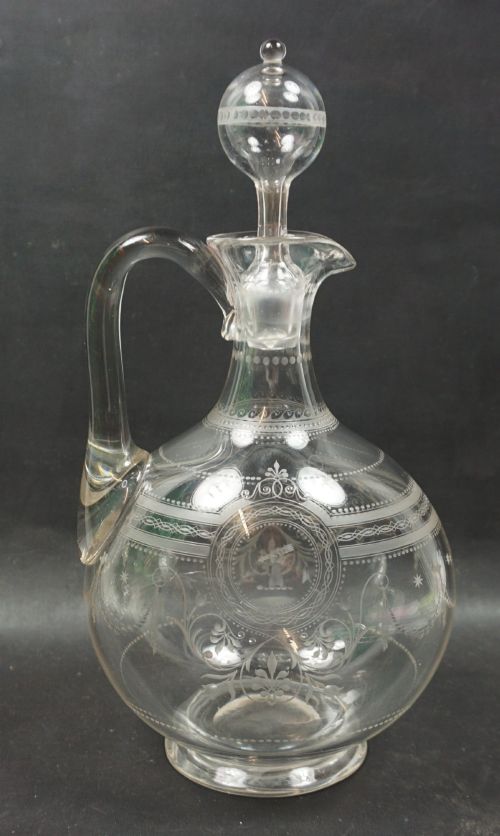
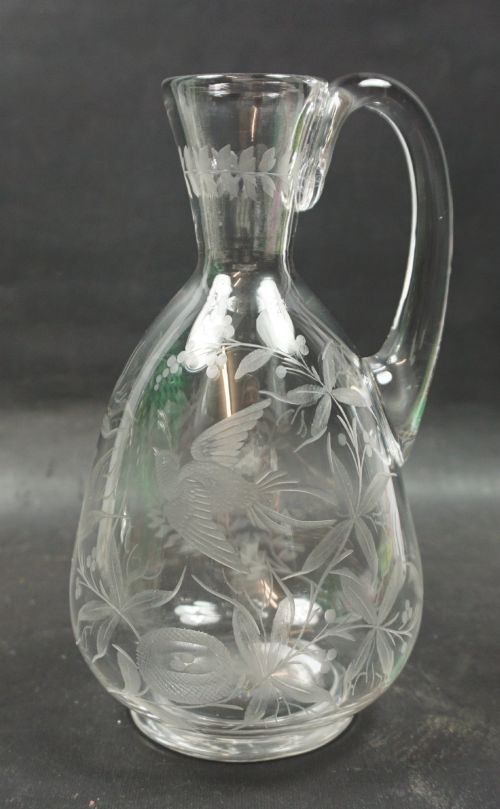
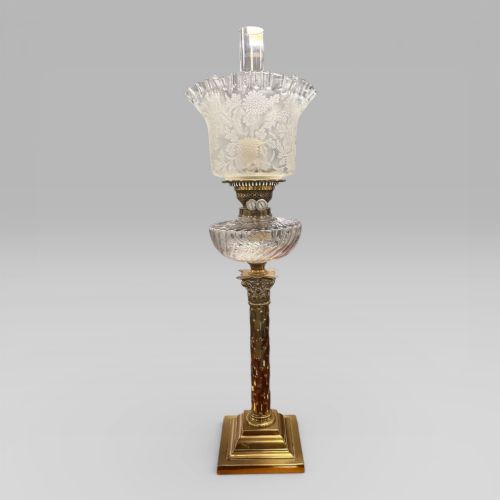
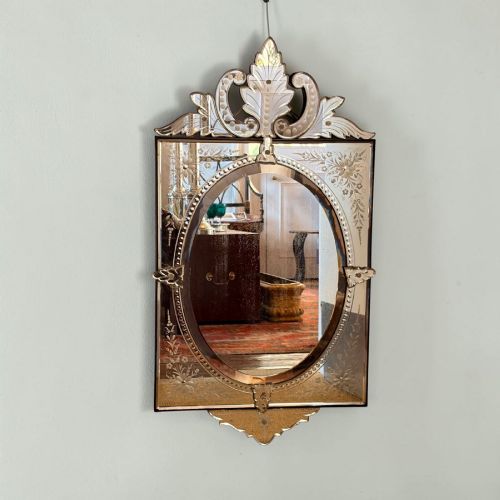
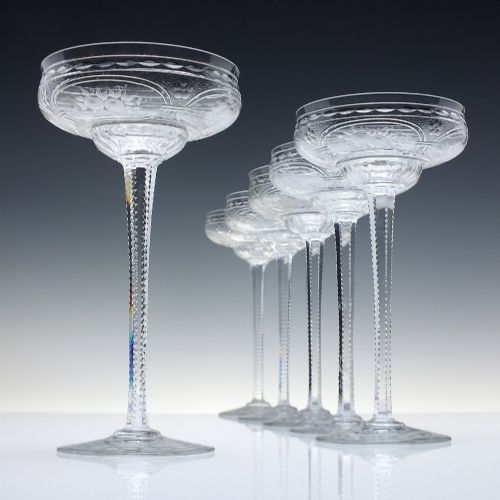
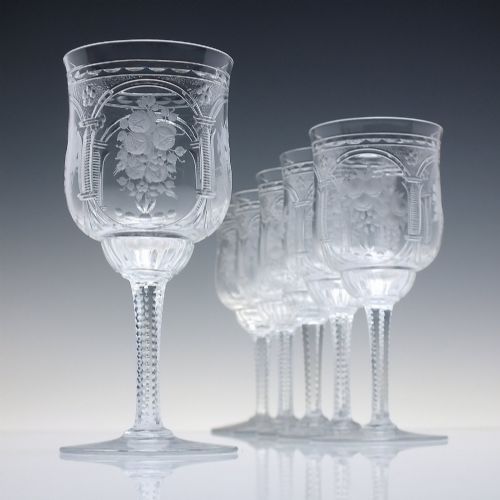
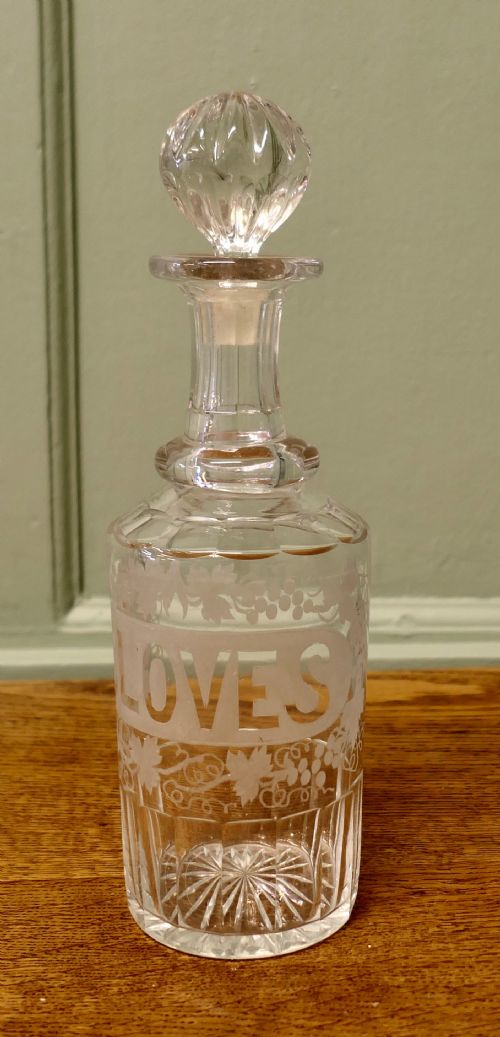
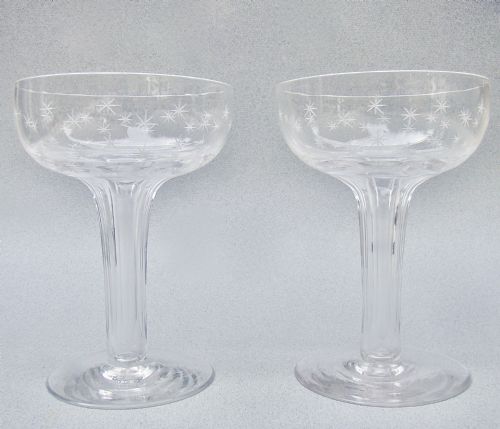
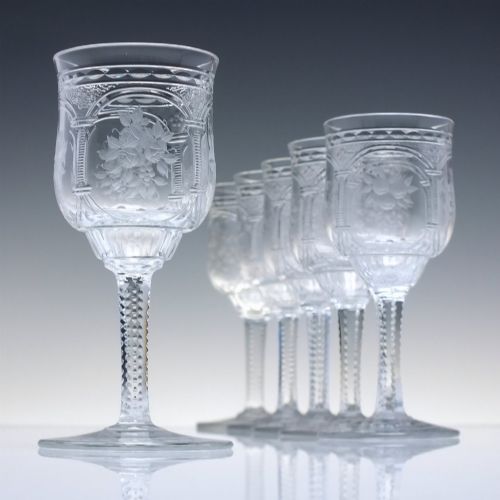
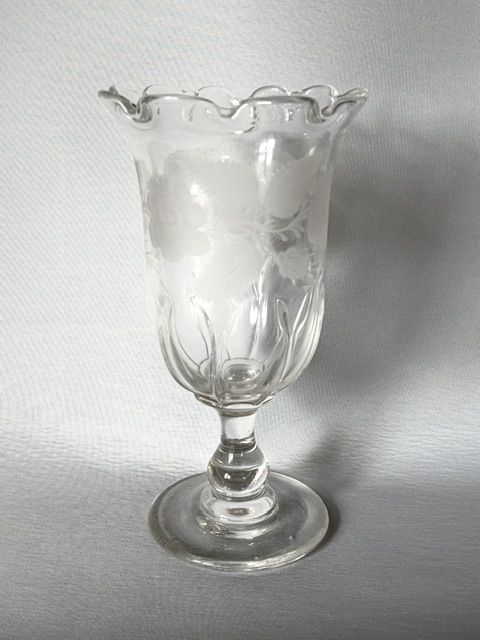
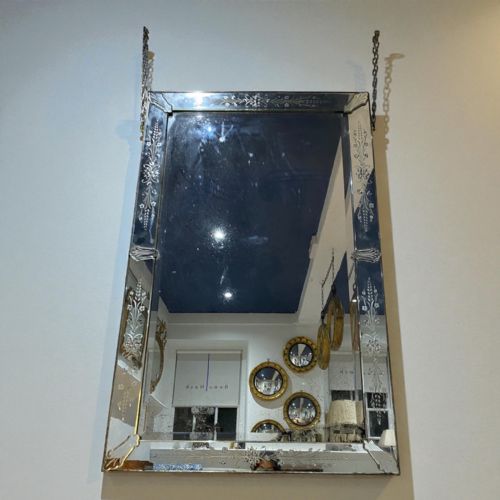
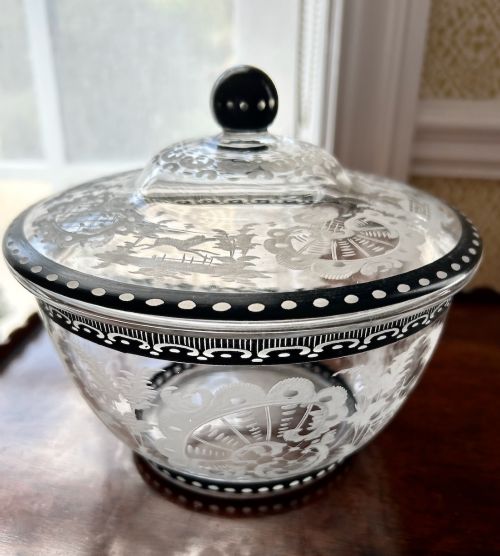
Clear etched glasses encompass a diverse array of drinking vessels, decanters, and display items originating predominantly from the Victorian era, the Edwardian period, and the Art Deco years. When exploring clear etched glasses, buyers encounter everything from hollow stem champagne flutes and wine glasses to large rummers and dram glasses.
The selection ranges from mid-nineteenth century celery vases and star-etched champagne pieces to coordinated drinking suites from the nineteen-thirties. These pieces reflect varied stylistic movements, including ornate floral motifs, geometric Greek key patterns, and Continental influences.
Originating from British, French, and Bohemian workshops, these items serve both functional dining purposes and decorative display. The surviving pieces demonstrate the enduring appeal of decorative glasswork across multiple decades of design.
Evaluating craftsmanship
The distinction between standard items and exceptional examples lies in the crispness and depth of the surface decoration. Finely executed etching shows precise linework and deliberate shading, whereas lesser pieces display shallow or blurred surface marks.
The weight, clarity, and resonance of the underlying lead crystal or clear glass dictate the baseline quality of the vessel. Heavier metal components, such as solid brass bases or genuine silver collars, elevate the integrity of the completed piece.
Clear Etched Glasses Retail Price Guide 2026
Typical asking prices for clear etched glasses among the pieces listed under this phrase on Sellingantiques today, from the lower quarter to the upper quarter. They describe what is for sale here now, not the wider market.
Pub windows received the acid treatment too, proving that Victorian patrons enjoyed their ale with a side of sophisticated floral frosting.
Baccarat Vallee·Rene Lalique·Daum·Karl Palda·Jean Luce·Hinks of Birmingham
The Clear Etched Glasses Glossary
- Etched glass
- Glass decorated by the application of acid or mechanical tools to eat away specific areas of the surface. This technique produces frosted or textured patterns against clear backgrounds.
- Lead crystal
- A type of glass containing metallic oxide that increases weight, brilliance, and workability. It allows for deeper cutting and sharper engraved details than standard soda-lime glass.
- Rummer
- A large, sturdy drinking glass popular in the eighteenth and nineteenth centuries, typically featuring a short stem and a capacious bowl. They were commonly used for ale, cider, or punch.
- Celery vase
- An upright, footed glass vessel designed to display stalks of celery on the dining table during the Victorian period. Their generous proportions make them versatile for holding floral arrangements today.
- Hollow stem
- A glass construction where the interior cavity of the bowl extends down through the stem to the foot. This design was favoured for sparkling beverages in nineteenth-century dining sets.
Clear Etched Glasses: Frequently Asked Questions
Are these glasses safe for daily use?
Many nineteenth and twentieth-century drinking vessels remain entirely functional for serving beverages at the table. Hand washing is mandatory, as modern dishwashers use harsh detergents and high temperatures that will damage historic glass.
Take care with older lead crystal stems and thin rims when toasting or storing them in cabinets. Treating them with gentle respect ensures they continue to serve drinks for decades.
How can I tell Victorian glasses from later pieces?
Victorian examples often feature heavy lead crystal, deeper hand-engraving, and robust stem forms like those found on rummers and celery vases. They tend to display botanical motifs, star cuts, or traditional wheel-engraved scenes.
Later items from the Art Deco period embrace stylised geometry, acid-etched modernist motifs, and lighter silhouettes. Makers from the nineteen-thirties preferred streamlined shapes over the exuberant ornamentation of the nineteenth century.
What is the difference between etching and cutting?
Etching involves using acid or fine abrasives to create shallow, frosted designs on the surface of the glass. This method allows for delicate, detailed pictorial scenes and intricate repeating patterns.
Cutting is a mechanical process using rotating wheels to grind deep grooves and facets into the glass body. Cut glass relies on sharp angles and polished facets to refract light, unlike the matte finish of an etched design.