

Clear Cut Glass Lighting
Clear cut glass lighting brings genuine period brilliance to a room, casting sharp refractions from brass and bronze mounts.
Clear Cut Glass Lighting
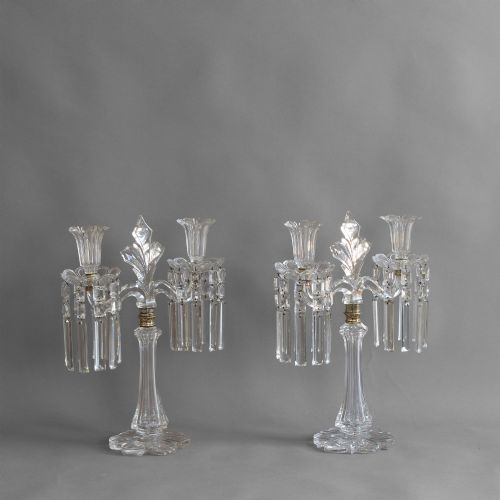
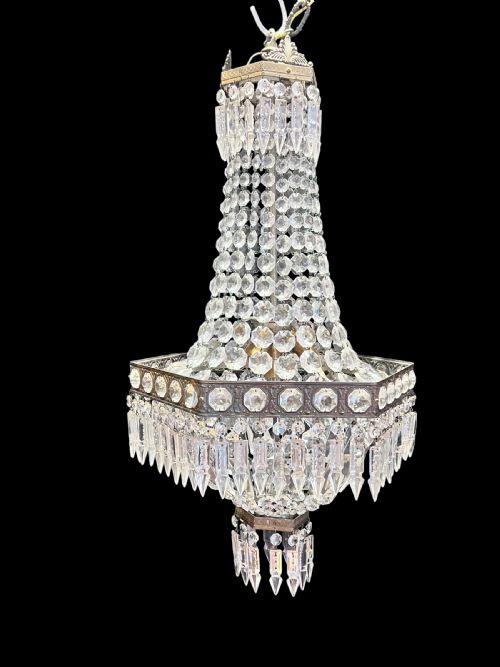
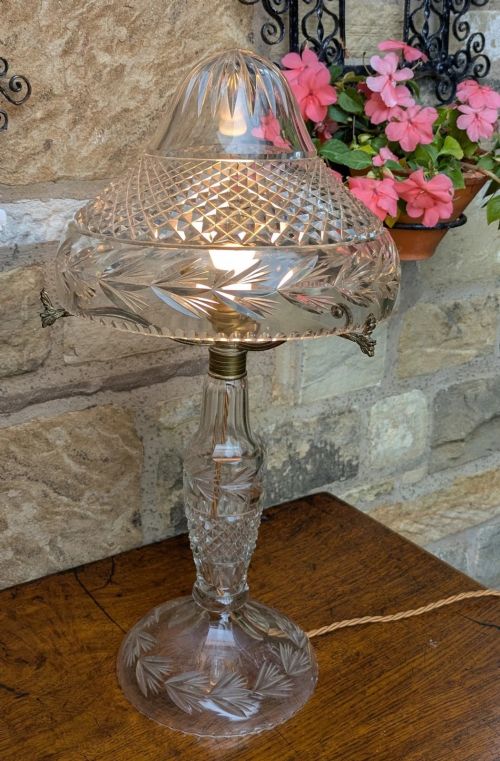
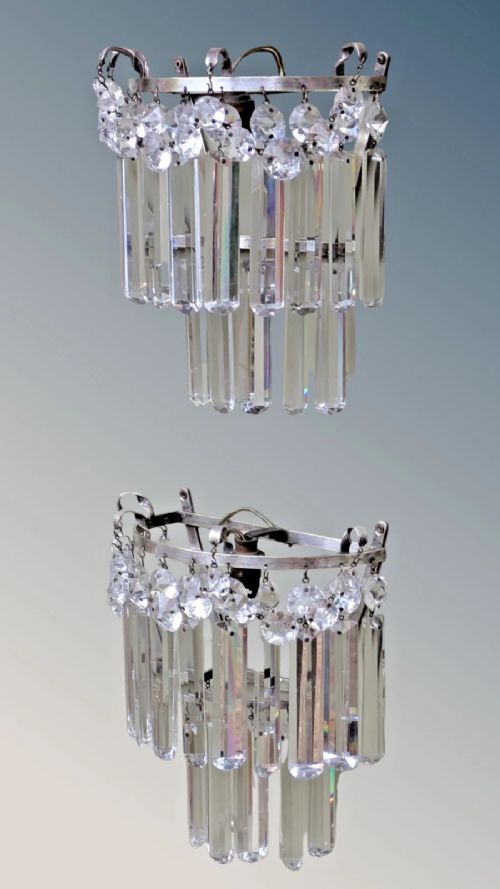
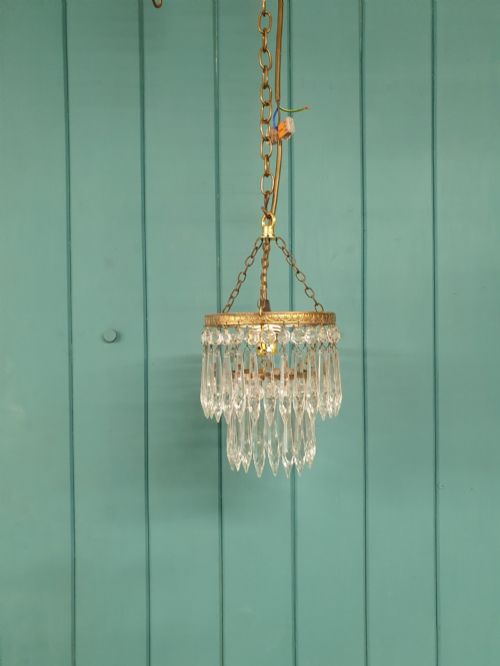
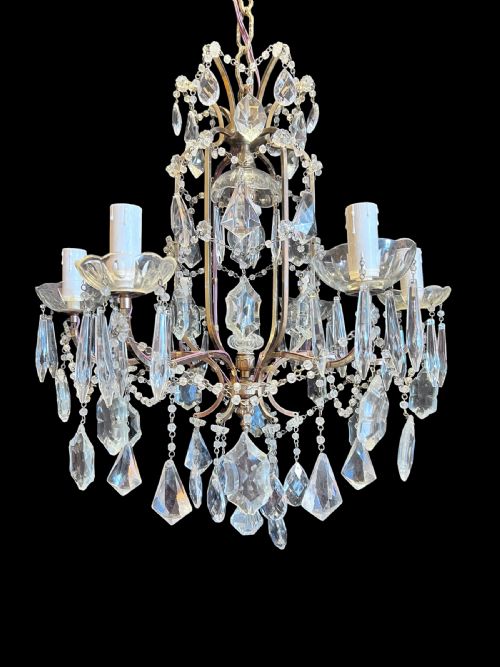
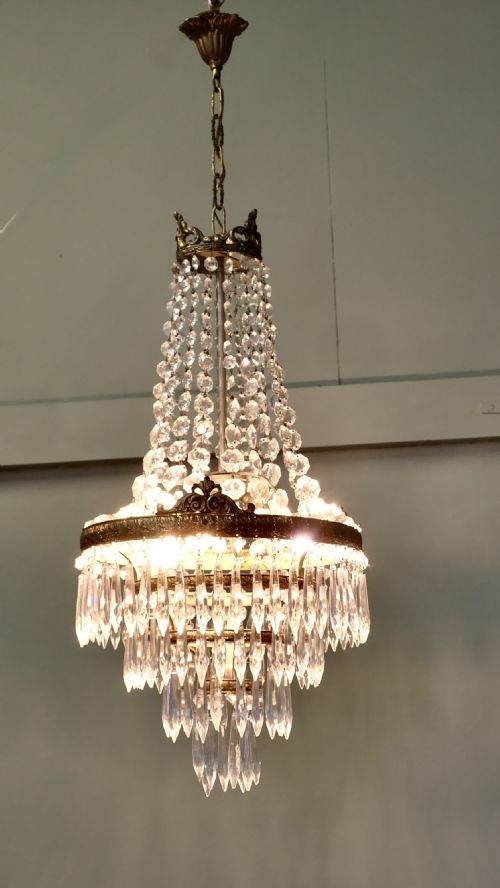
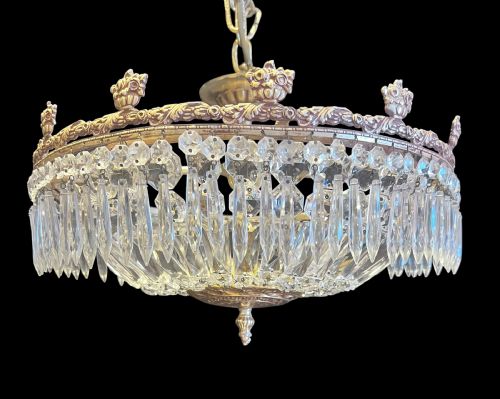
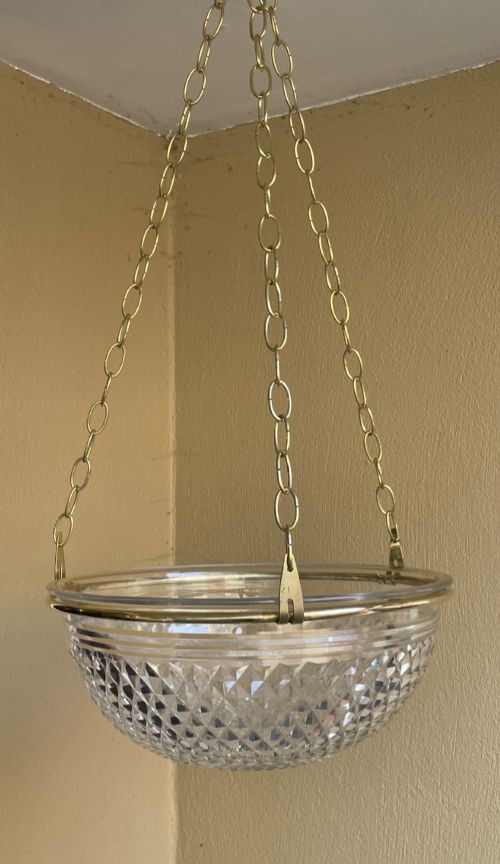
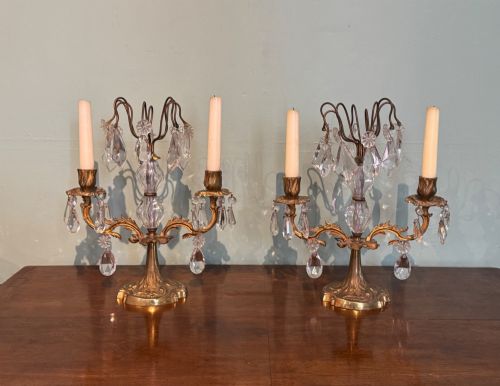
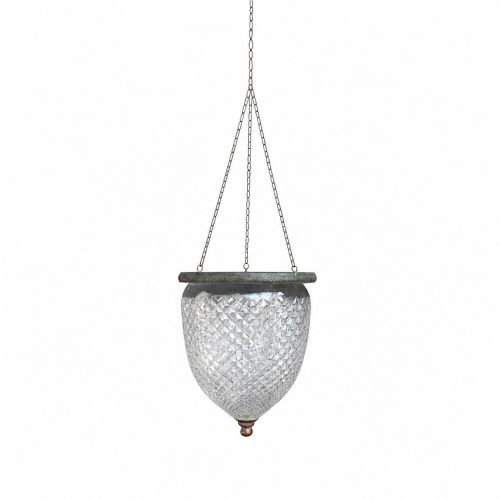
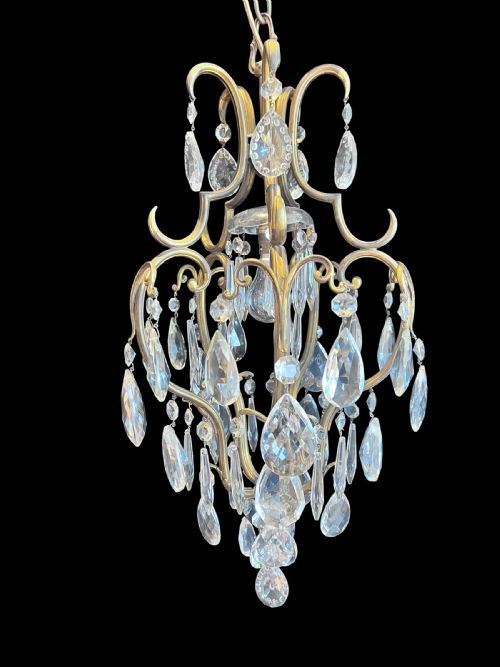
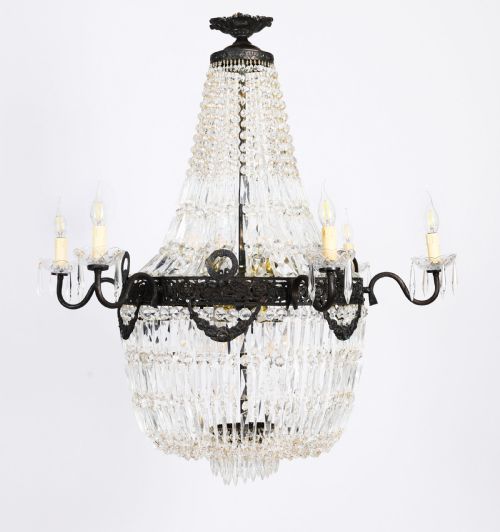
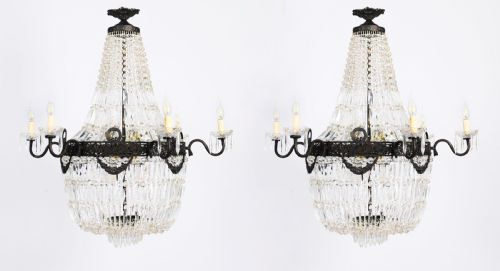
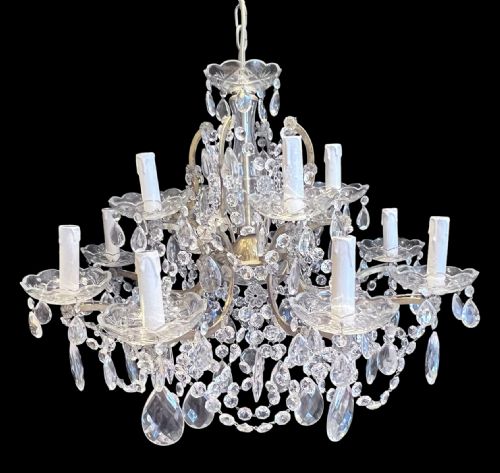
Clear cut glass lighting spans from grand multi-light chandeliers and French basket styles to compact plafonniers and wall lights, originating across the nineteenth and twentieth centuries. Buyers seeking clear cut glass lighting encounter substantial tent and bag chandeliers alongside table lamps, lustres, and ceiling lights.
The selection ranges from Victorian oil lamps and Edwardian dome fixtures to 1920s French Empire style chandeliers and Italian designs. Pieces typically combine cut crystal or glass with brass, gilded metal, or bronze frames, offering versatile illumination for period interiors.
Materials and construction
Workshops combined heavy lead crystal, cut glass, and moulded glass with structural mounts in brass, bronze, and gilded metal. Precision cutting created sharp facets on drops, prisms, and domes to maximise light refraction.
Components were held together by wired pins and metal frames, assembling complex structures like tent and bag chandeliers, multi-arm fixtures, and weighted bases for table lamps.
Listings feature pieces spanning the nineteenth century through the 1930s, utilising brass, bronze, lead crystal, and moulded glass.
Assessing quality and finish
Quality rests in the crispness of the glass cutting, where deep, sharp facets produce brilliant light dispersion compared to soft, rounded edges. The weight and clarity of the crystal components also distinguish finer pieces.
The integration of the metalwork matters significantly, with solid cast brass and gilded mounts offering superior stability and finish over lighter, stamped metal alternatives.
Stuart Crystal
The Clear Cut Glass Lighting Glossary
- Plafonnier
- A ceiling light fitted flush or close to the ceiling. These fixtures often feature moulded or cut glass domes held by metal mounts.
- Lustre
- A decorative tabletop ornament hung with cut glass prisms. They frequently incorporate candle sockets and reflect ambient light.
- Tent and bag chandelier
- A lighting form featuring a cascading upper tent of strung beads dropping into a gathered bag shape below. These fixtures are heavily embellished with crystal prisms.
- Lead crystal
- Glass containing metal oxides that increase weight and refractive index. This material allows for deeper, sharper facet cutting.
Clear Cut Glass Lighting: Frequently Asked Questions
How do I hang a heavy crystal chandelier safely?
Heavy chandeliers require direct anchoring to a ceiling joist using a rated metal hook and bracket system. Professional installation ensures the wiring and structural support safely bear the full weight.
Lighter plafonniers and wall lights use standard mounting brackets secured directly to wall studs or ceiling boxes. Proper weight distribution protects both the plaster and the antique metal frame.
What is the difference between a plafonnier and a pendant light?
A plafonnier mounts directly flat against the ceiling surface with minimal drop. This makes it ideal for rooms with lower ceiling heights.
Pendant lights hang down from the ceiling on a chain, cord, or rigid rod. They project light further into the space and suit rooms with more vertical clearance.
How do I date a brass and crystal chandelier?
Dating relies on stylistic clues like Edwardian proportions, Victorian oil conversion elements, or 1920s French Empire motifs. The complexity of the metal casting and wiring methods also offer clues.
Earlier pieces from the nineteenth century often feature heavier cast brass and hand-cut crystal components. Later twentieth-century examples display more uniform machine-cut facets and lighter construction.