



Clear Cut Glass Flutes
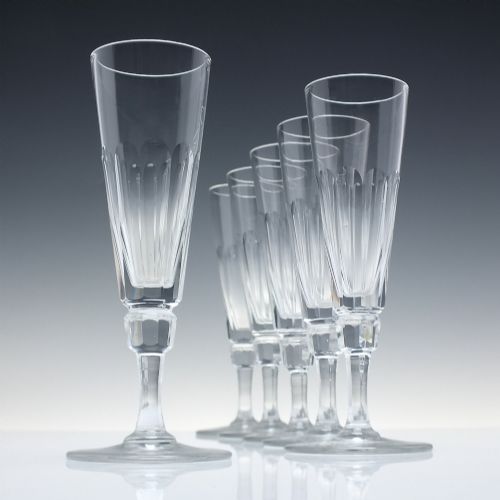
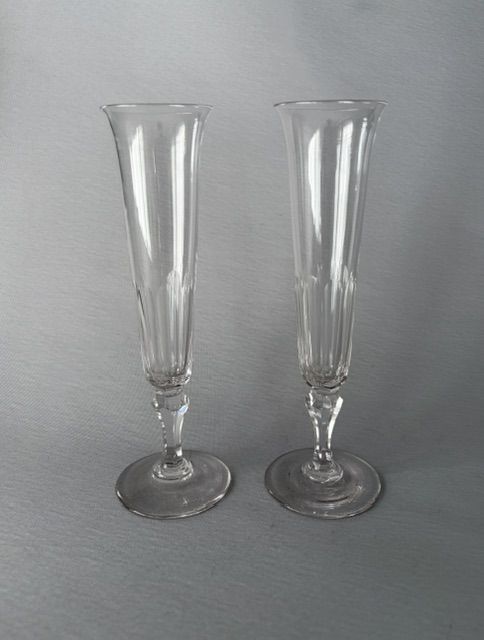
Clear cut glass flutes are drinking vessels defined by deep wheel cuts and brilliant refraction, prized for bringing sparkle to the table.
Clear Cut Glass Flutes
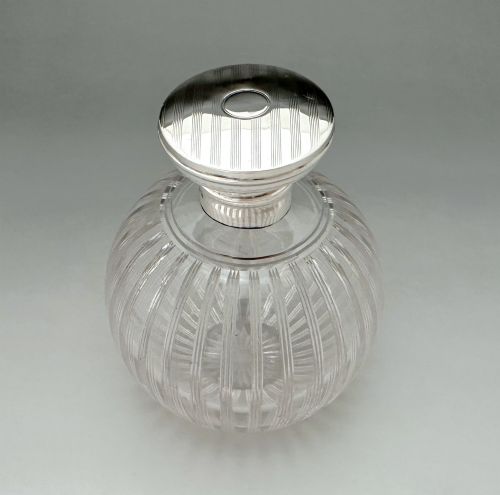
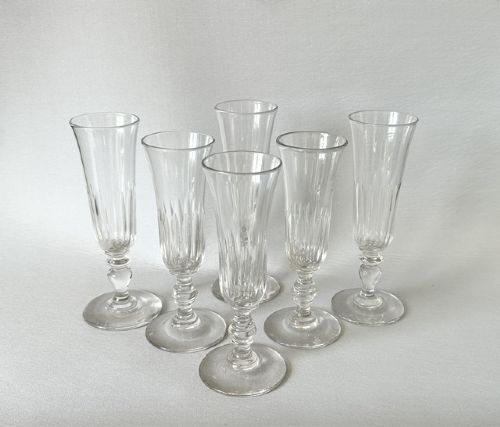
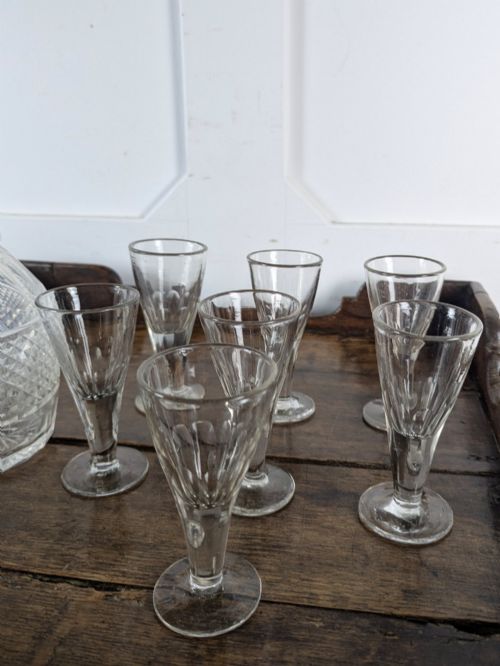
Clear cut glass flutes span several distinct periods, with Victorian examples appearing alongside Georgian and Edwardian pieces on this page. Makers produced these tall drinking vessels in matching sets, pairs, or individually for champagne, sherry, and ale.
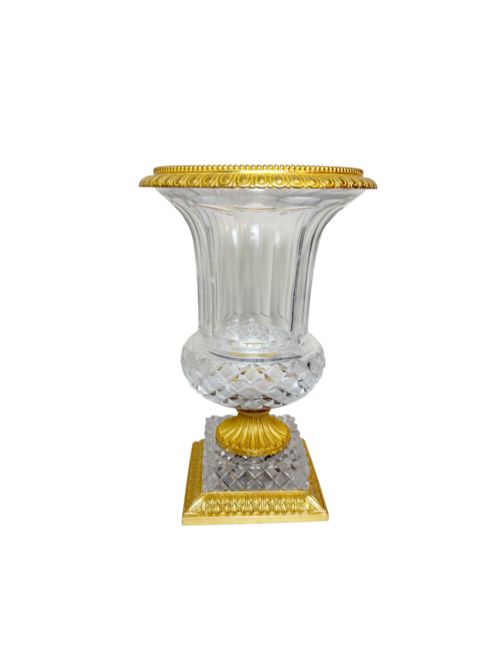
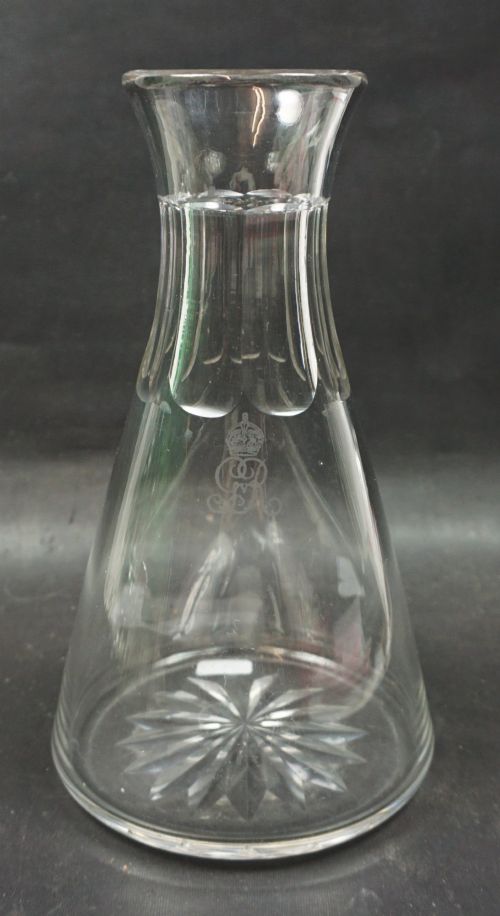
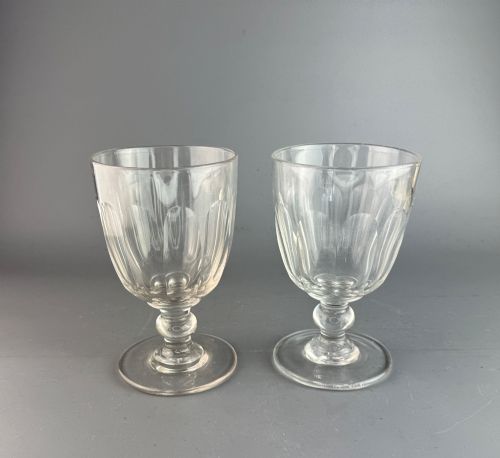
The form ranges from thumb-cut sherry flutes to facet-cut stem ale vessels and champagne glasses. Alongside drinking flutes, the evidence includes related tableware such as decanters, rummers, jelly glasses, and table lamps.
Originating primarily from British and European traditions, these objects demonstrate the shift in dining habits from the eighteenth century through to the early twentieth century. Collectors encounter them in lead crystal, lead glass, and standard clear glass.
Materials and construction
Craftsmen utilised lead glass and heavy lead crystal to achieve the high refractive index necessary for crisp wheel cutting. This heavy metal content allowed artisans to cut deeper facets without compromising the structural integrity of the vessel.
Workers applied cold-working techniques, using rotating wheels charged with abrasives to grind geometric patterns into the blown glass surface. Subsequent polishing created the brilliant contrast between frosted intaglio cuts and smooth, clear panels.
Clear Cut Glass Flutes Retail Price Guide 2026
Typical asking prices for clear cut glass flutes among the pieces listed under this phrase on Sellingantiques today, from the lower quarter to the upper quarter. They describe what is for sale here now, not the wider market.
Listings feature items from the Georgian, Regency, Victorian, and Edwardian periods, alongside materials such as lead crystal, sterling silver, and brass.
Markers of quality
The precision and depth of the wheel cutting govern the visual impact of each piece, distinguishing sharp, clean geometric facets from softer, shallow impressions. Clarity of the metal itself, free from excessive bubbles or cloudiness, indicates superior raw materials.
Proportion and weight dictate the tactile experience, where heavier lead crystal specimens display balanced wall thickness and stable foot rims. Matched sets with uniform height and identical cutting patterns command greater interest than assembled groups.
Hukin and Heath·Moser Crystal·Otto Prutscher
The Clear Cut Glass Flutes Glossary
- Lead crystal
- Glass containing a significant percentage of lead oxide, which increases weight, brilliance, and softness for easier wheel cutting. This material is standard in high-grade drinking vessels.
- Facet cut
- A decorative surface treatment consisting of multiple flat, polished planes meeting at sharp angles. These planes catch and scatter ambient light.
- Thumb-cut
- A shallow, rounded indentation ground into the exterior of the glass to provide a secure grip for the hand. Artisans frequently applied this motif to Victorian drinking vessels.
- Rummer
- A large, heavy drinking glass with a short stem and a capacious bowl used for punch, rum, or ale. They often feature heavy cut decoration around the lower bowl.
- Intaglio
- A design carved into the surface of the glass rather than left in relief. This technique creates a sunken pattern that appears frosted against clear glass.
Clear Cut Glass Flutes: Frequently Asked Questions
Can I still use these flutes for dining?
These historical drinking vessels function perfectly well for modern toastings and special dinners provided you handle them with care. Their sturdy lead glass construction makes them durable enough for occasional use.
Keep them away from modern stacking arrangements and store them upright on stable shelving to prevent rim chips.
How do I distinguish Georgian from Victorian pieces?
Georgian flutes often feature facet-cut stems and engraved hop or barley motifs on thinner, more resonant metal. Their proportions tend to reflect eighteenth-century drinking customs.
Victorian examples frequently introduce heavier thumb-cuts, pillar moulding, and press-moulded elements combined with hand-finishing on denser lead crystal bodies.
What does lead crystal mean for these objects?
Lead crystal incorporates metal oxides that soften the glass during manufacture, allowing artisans to cut deeper and more intricate geometric patterns. This composition produces a distinctive ring when tapped gently.
The added density also gives the vessel a heavier, more balanced feel in the hand compared to standard soda-lime glass.