


Clear Cut Glass Box
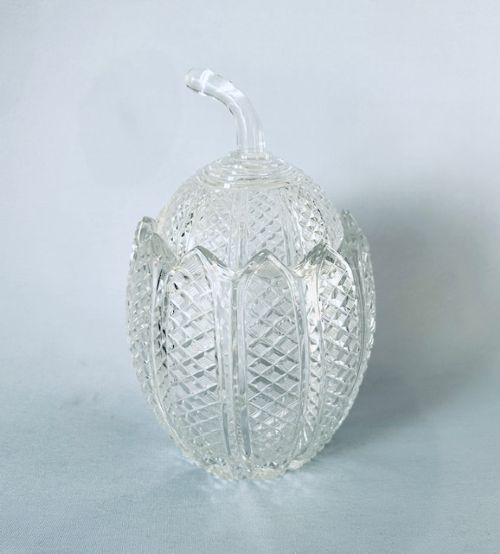
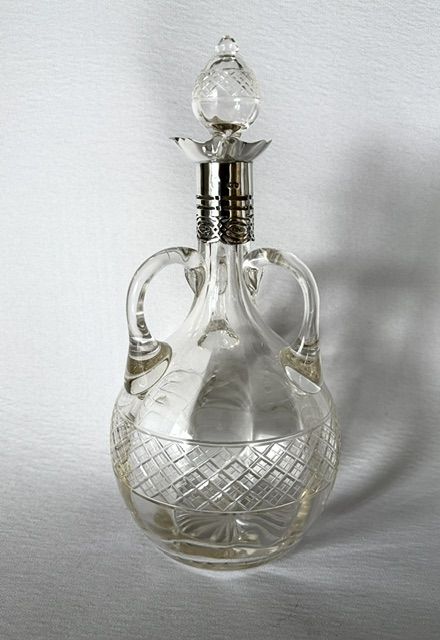
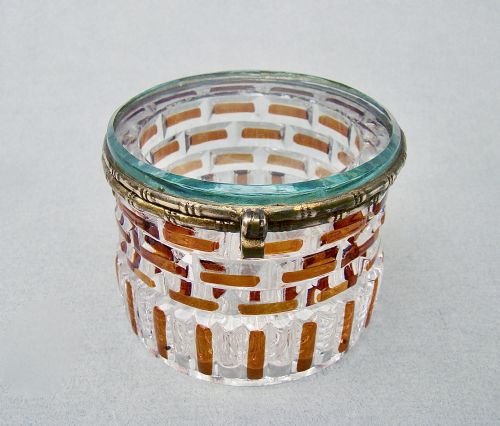
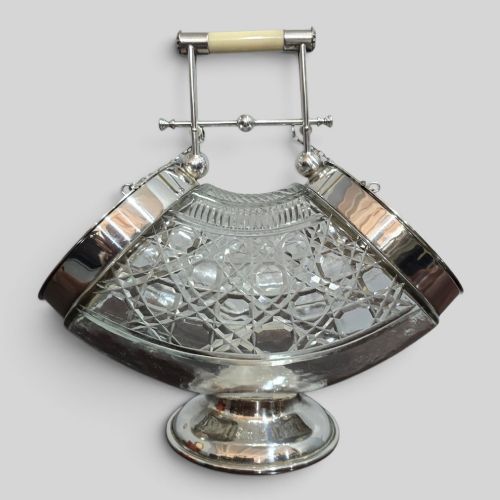
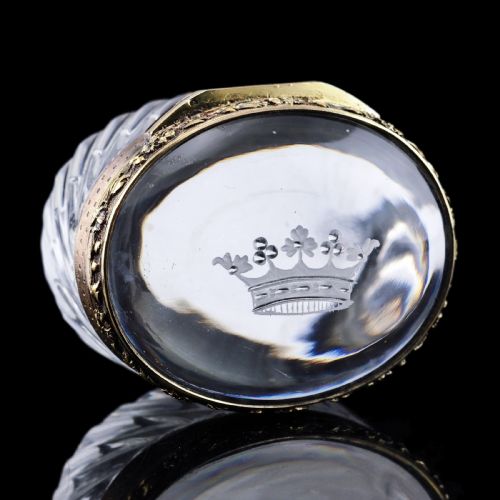
A clear cut glass box brings brilliant light to a dressing table or desk, combining heavy faceted crystal with precious metal mounts.
Clear Cut Glass Box
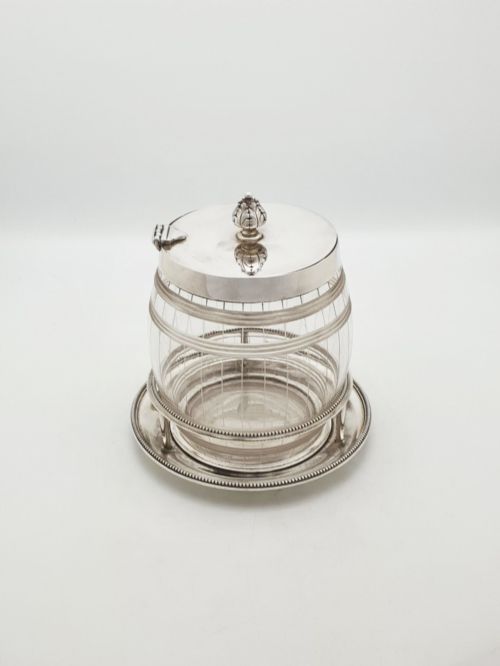
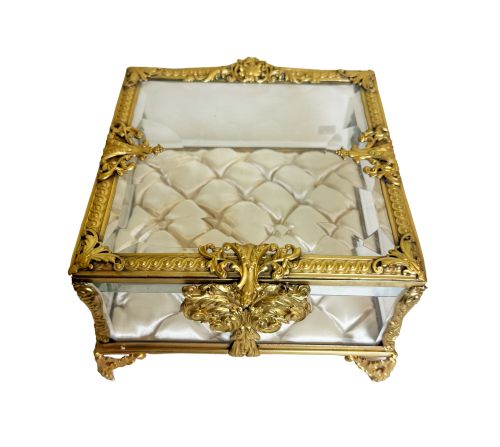
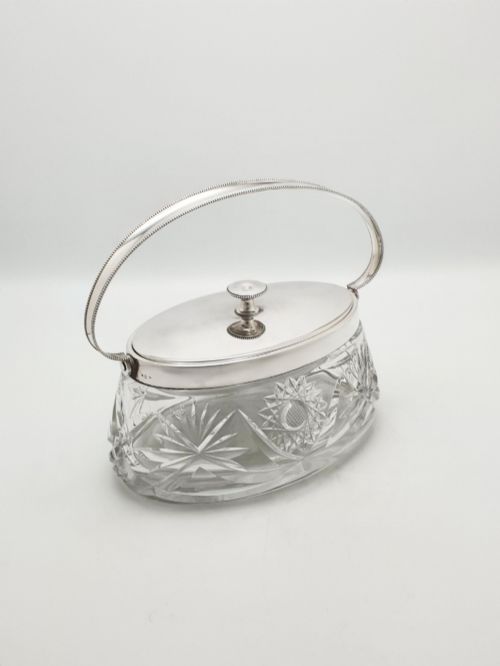
When you search for a clear cut glass box, you encounter a variety of functional containers spanning from the Georgian period through the Edwardian era and into Art Deco. The selection includes dedicated trinket boxes, jewellery caskets, vanity jars, and larger biscuit barrels featuring cut crystal bodies.
Most examples you meet on this page date from the nineteenth and early twentieth centuries, reflecting Victorian, Edwardian, and French styles. These pieces often incorporate hinged lids, mounts, or swing handles fashioned from sterling silver, silver plate, gilt bronze, or ormolu.
How they were made
The glass bodies are formed from lead crystal or heavy cut glass, shaped by blowing or moulding before craftsmen apply deep wheel-cut facets, hobnail patterns, or flutes to the exterior. This intensive cutting creates sharp optical angles designed to refract light from every surface.
Metal elements such as silver collars, gilt bronze frames, and ormolu mounts are cast, chased, and fitted precisely to the glass rims or hinged joints. Makers frequently secure these mounts with plaster or internal pins to provide structural stability to the heavy crystal walls.
Listings feature items spanning the Georgian, Victorian, Edwardian, and Art Deco periods, created in materials including cut crystal, sterling silver, silver plate, and gilt bronze.
What varies in quality
Quality rests primarily in the crispness and depth of the glass cutting, where sharper facets and flawless clarity distinguish finer production from simpler moulded wares. Heavy crystal walls and substantial weight indicate a higher grade of lead glass.
The calibre of the metalwork also defines the piece, with heavy cast gilt bronze, ormolu, and solid sterling silver mounts showing superior craftsmanship compared to thinner silver-plated alternatives. Precision in the hinge alignment and the snug fit of the lid complete the measure of quality.
Elkington·WMF·James Dixon and Sons
The Clear Cut Glass Box Glossary
- Hobnail cut
- A dense geometric pattern of projecting square-topped facets resembling the hobnails on rustic boots. It creates intense sparkle across the body of a box or barrel.
- Ormolu
- Gilded bronze used widely for decorative mounts, feet, and hinges on nineteenth-century French caskets. The technique involves applying a finely ground gold-mercury amalgam to bronze.
- Sterling silver
- A silver alloy containing ninety-two point five percent pure silver by mass, frequently used for the lids, rims, and swing handles of Edwardian and Georgian containers. Hallmarks stamped into the metal indicate the assay office and date.
- Silver plate
- A base metal, often copper or Britannia metal, coated in a thin layer of silver through electroplating or older fusion methods. It allowed makers to produce bright metallic mounts at a lower cost than solid silver.
- Lead crystal
- Glass containing a significant percentage of lead oxide, which increases the weight, refractive index, and clarity of the material. This high refractive quality allows the deep cuts to scatter light brilliantly.
Clear Cut Glass Box: Frequently Asked Questions
What were these boxes used for?
These containers served multiple domestic purposes, holding trinkets, jewellery, cigarettes, vanity items, or biscuits depending on their scale and internal fittings. Smaller lidded boxes sat upon dressing tables, while larger lidded barrels occupied dining tables and sideboards.
Many incorporated specialised compartments or came with matching internal glass bottles and silver-mounted accessories. Their primary function combined secure storage with decorative display in formal period interiors.
How do I date a cut glass box?
Dating relies on a combination of mount styles, glass manufacturing techniques, and any metal hallmarks present on the silver components. Georgian and early nineteenth-century pieces often display hand-cut irregularities and heavier, simpler silver mounts.
Later Victorian and Edwardian examples frequently feature machine-stamped silver hallmarks, crisper hobnail cutting, and more ornate gilt bronze or ormolu frames. Art Deco pieces from the nineteen-thirties introduce geometric simplicity and streamlined glass forms.
How do I clean clear cut glass?
Clean the glass using warm water and mild washing-up liquid, avoiding abrasive cloths or harsh scrubbing brushes that might scratch the surface. A soft-bristled brush helps remove dust and residue from deep wheel-cut grooves.
Keep metal mounts dry during the cleaning process to protect silver, gilt bronze, or ormolu finishes from moisture damage. Thorough drying with a lint-free cloth restores the refractive sparkle of the crystal.
Are the metal mounts solid silver?
Metal mounts vary significantly across different pieces, ranging from solid sterling silver to silver-plated base metals and gilt bronze. Items made with solid silver typically bear legible hallmarks indicating the maker, city of assay, and year of production.
Pieces described with silver plate or ormolu feature a non-precious metal core beneath the outer metallic or gilded surface. Checking the edges and undersides for hallmark stamps or signs of base metal wear clarifies the composition.