

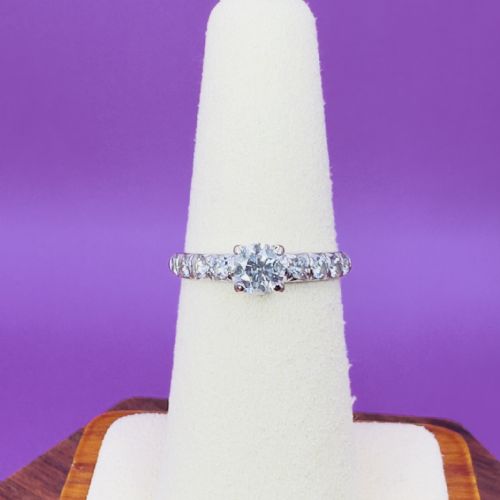


Claw Set Solitaire Ring
A claw set solitaire ring holds a single central stone aloft so light enters from every angle, making these traditional engagement and dress pieces an enduring choice.
Claw Set Solitaire Ring
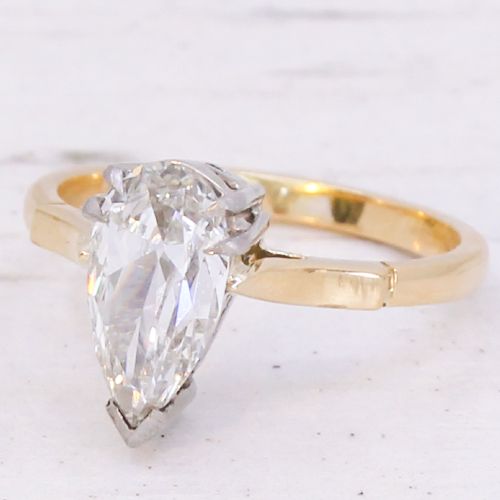
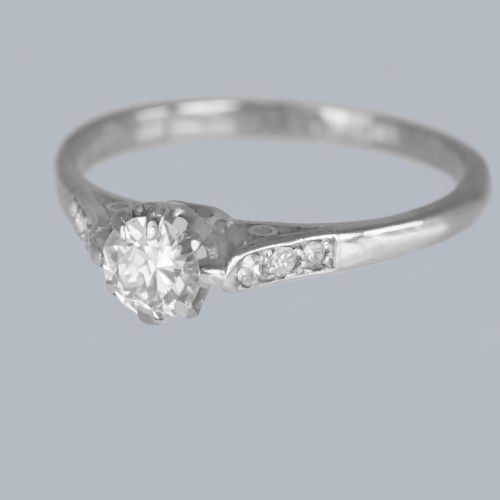
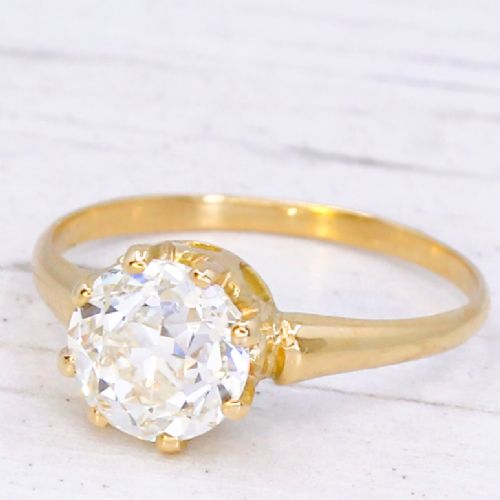
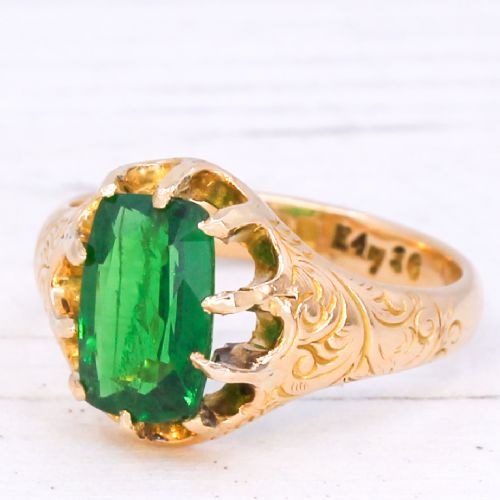
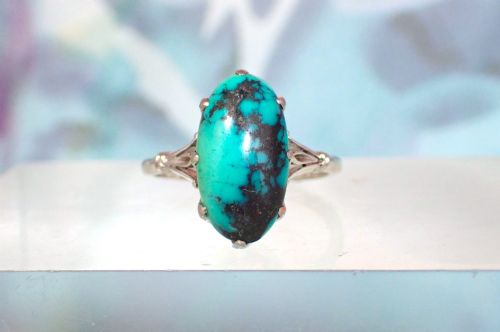
A claw set solitaire ring focuses attention entirely on one principal gemstone held by exposed metal prongs, creating a clean profile that has remained popular for generations. The selection spans styles from the ornate detail of Victorian and Edwardian work to the geometric lines of Art Deco and the sleek forms of the mid-century.
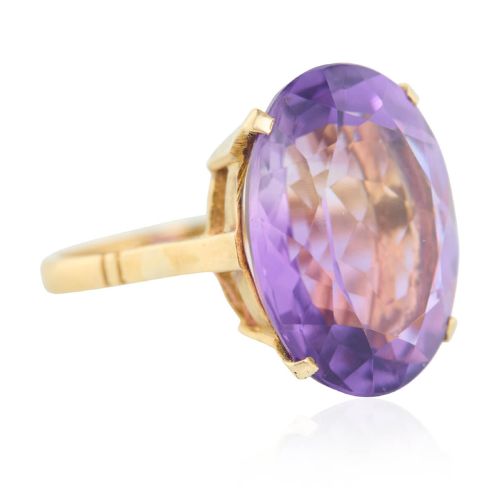
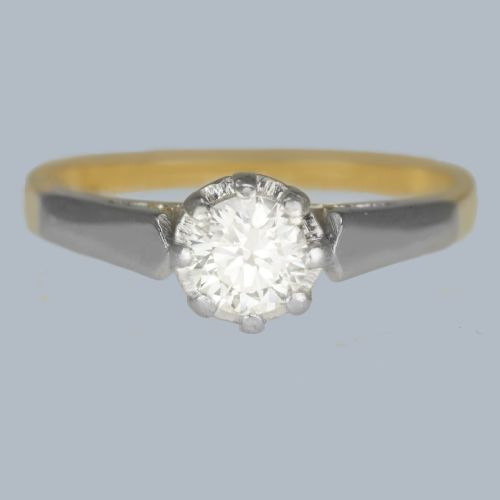
The primary focus on this page rests on diamond pieces, alongside significant coloured gems such as sapphire, emerald, ruby, amethyst, zircon, tsavorite, opal, alexandrite, turquoise, and jadeite. These pieces appear in varied mountings including platinum, yellow gold, white gold, and rose gold, reflecting the shifting tastes of the late nineteenth and twentieth centuries.
Materials and construction methods
Goldsmiths shaped mounts in yellow gold, white gold, rose gold, and platinum to secure the central gemstone while allowing maximum light penetration. Metals like platinum provided the strength required for delicate prong settings, whereas traditional yellow and white golds offered alternative tones for both antique and vintage designs.
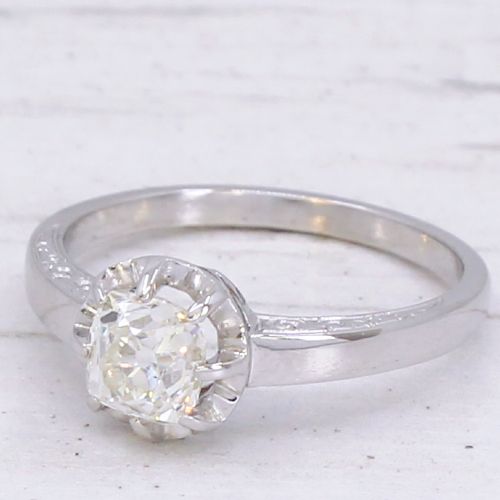
Individual claws were shaped by hand to grip the girdle of the stone, often complemented by shoulders set with smaller accent diamonds. Master jewellers utilised cut types ranging from old European and transitional cuts to cushion, pear, and brilliant cuts, matching the facet arrangement to the inherent character of each gem.
Claw Set Solitaire Ring Retail Price Guide 2026
Typical asking prices for claw set solitaire ring among the pieces listed under this phrase on Sellingantiques today, from the lower quarter to the upper quarter. They describe what is for sale here now, not the wider market.
Materials represented include platinum, yellow gold, white gold, rose gold, and a diverse array of diamonds and coloured gemstones.
Distinguishing quality across the range
The division between standard and superior pieces rests on the precision of the setting work and the optical life of the central stone. Master jewellers balanced the height of the prongs to secure the gem firmly while maintaining a balanced proportion with the band and any shoulder embellishments.
Superior examples display careful symmetry in the cut of the primary gem and a harmonious relationship between the metal weight and the stone size. The integrity of the prongs and the crispness of the surrounding metalwork demonstrate the level of craftsmanship invested in the original workshop.
The Claw Set Solitaire Ring Glossary
- Solitaire
- A ring featuring a single principal gemstone mounted without surrounding smaller stones in the main head.
- Claw setting
- A mounting style where individual metal prongs hold the gemstone in place above the band.
- Old European cut
- A round diamond cutting style typical of the late nineteenth and early twentieth centuries, characterised by a small table and high crown.
- Transitional cut
- A diamond cut from the mid-twentieth century bridging the older European style and the modern brilliant cut.
- Shoulder
- The upper portion of the ring band as it approaches the central setting, sometimes plain and sometimes decorated with smaller gems.
Claw Set Solitaire Ring: Frequently Asked Questions
What is a claw set solitaire ring?
A claw set solitaire ring is a piece of jewellery featuring a single gemstone held aloft by individual metal prongs. This mounting method allows light to pass freely through the stone.
Such designs focus attention entirely on the central gem, whether a diamond or a coloured stone like sapphire or amethyst. The style has served as a classic choice for engagement and dress rings across multiple historical periods.
How do I care for antique rings?
Antique rings require gentle handling and periodic checks by a professional jeweller to ensure the prongs remain secure. Removing the ring during heavy manual work prevents unnecessary wear to the metal and stones.
Cleaning should involve mild soapy water and a soft brush rather than harsh ultrasonic devices, particularly for softer gems like opal or turquoise. Proper storage in individual velvet-lined compartments protects the metal surfaces from scratching.
How do I tell periods apart?
Distinguishing periods involves examining the metal choices, gemstone cuts, and overall design motifs present in the mount. Victorian and Edwardian pieces often feature yellow gold or platinum with intricate hand-carved details and older diamond cut styles.
Art Deco examples lean towards geometric platinum settings, while mid-century pieces introduce bolder stone sizes and streamlined white gold or platinum structures. Comparing the stylistic conventions of each era helps determine the likely date of manufacture.
Can these rings be resized?
Most gold and platinum rings can be adjusted by a skilled jeweller to fit a different finger size. The feasibility depends on the band thickness, the presence of shoulder stones, and the structural integrity of the metal.
Certain antique designs with intricate hand engraving along the shank require careful handling to preserve the original maker's details during alteration. Consulting a specialist ensures the adjustment maintains the overall strength of the piece.