


Claw Foot Desk
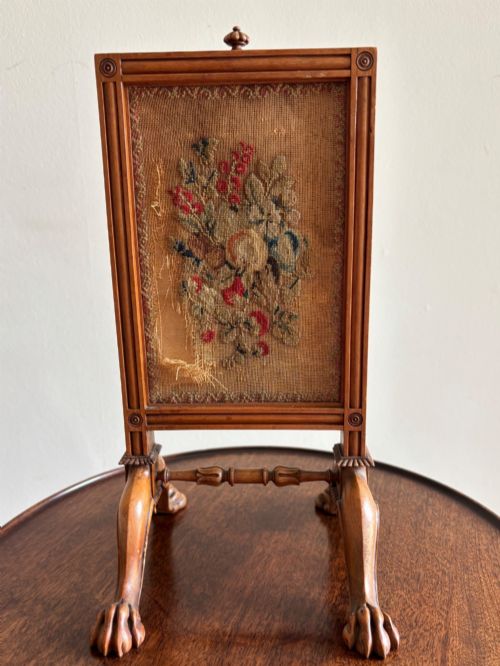
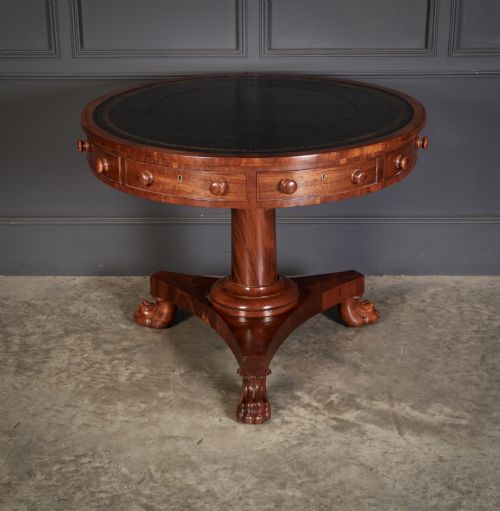
A claw foot desk brings solid timber and carved animal paws together to anchor a study with enduring character.
Claw Foot Desk
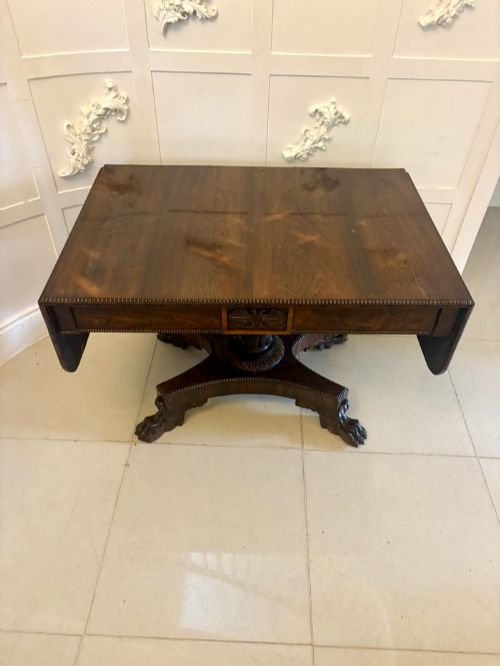
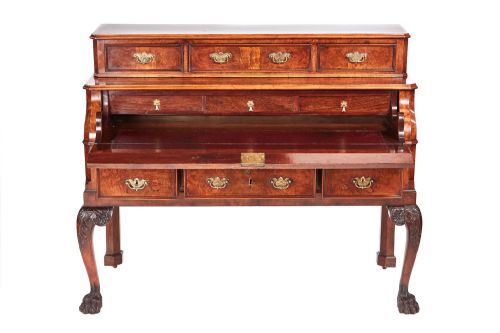
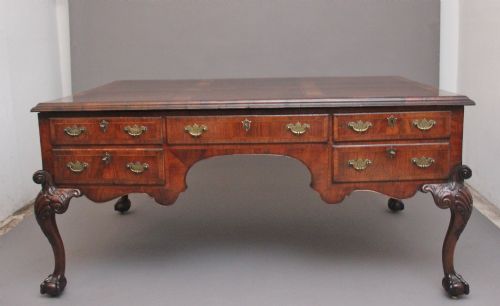
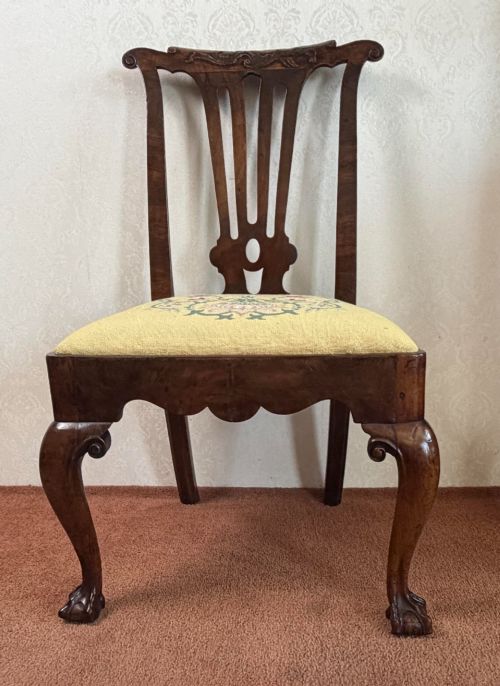
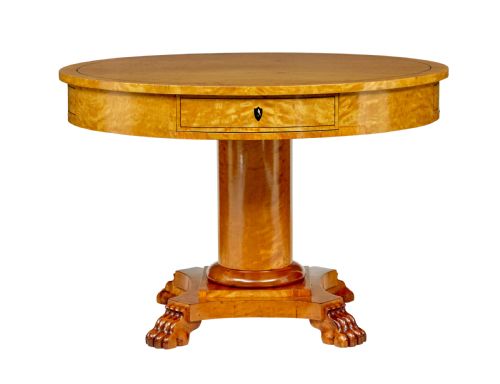
A claw foot desk combines traditional writing surfaces with distinct carved animal paw supports, grounding the form in established period styles. These pieces draw on Georgian, Regency, and Victorian design traditions, utilising substantial timbers to create functional workspaces.
The selections here frequently pair pedestals or bureau bodies with detailed feet, executed in mahogany, walnut, and oak. Buyers encounter pedestal desks and bureau writing formats alongside related library tables that share the same heavy timber construction.
Origins span English, continental, and revival workshops, connecting buyers to centuries of cabinet-making heritage. Each item serves as both a practical writing station and a focal point for a traditional interior.
Evaluating quality and execution
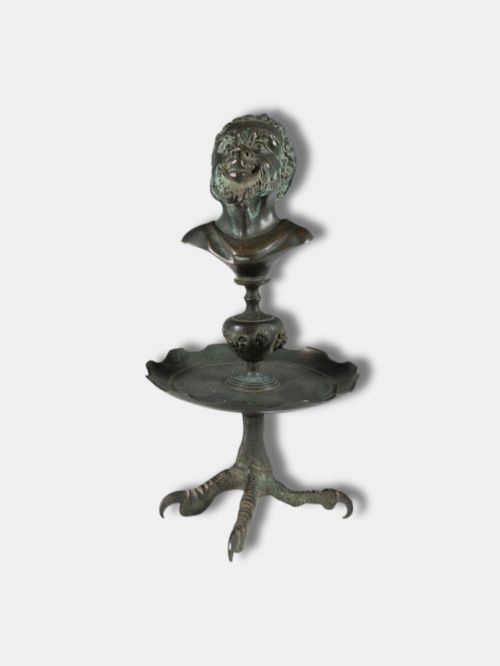
Depth and precision of the wood carving separate standard production from superior craftsmanship, particularly in the definition of the claws and the transition into the leg. Crisp detailing indicates a master carver directed the work rather than routine workshop output.
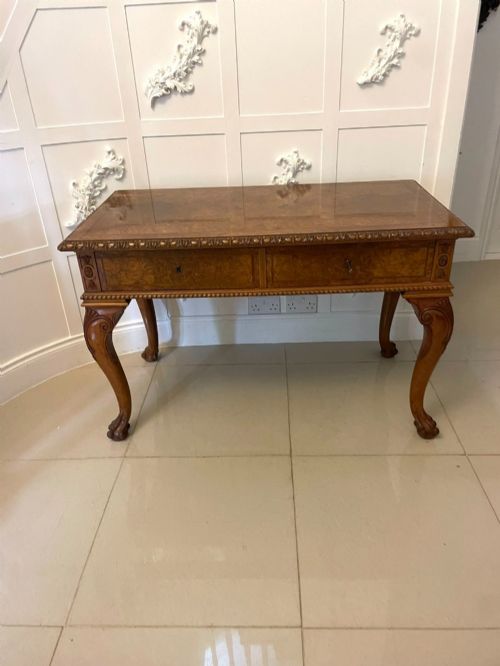
Timber selection dictates overall visual weight and longevity, with straight-grained mahogany and figured burr walnut commanding attention for their natural grain patterns. Original patination and intact structural joinery maintain the integrity of the piece through generations of use.
Listings for claw foot desk designs feature mahogany, walnut, oak, and rosewood across Georgian, Regency, and Victorian periods.
The Claw Foot Desk Glossary
- Pedestal desk
- A heavy writing table supported by two vertical banks of drawers rather than four separate legs. This form provides substantial storage beneath the main writing surface.
- Bureau
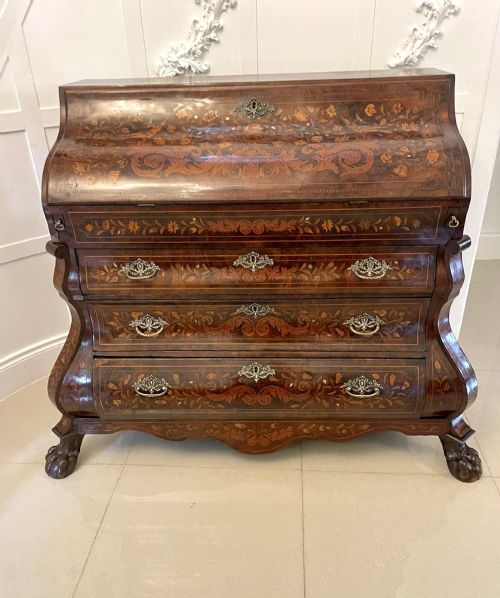
- A slant-front writing cabinet that encloses small pigeonholes and drawers behind a folding writing flap. When closed, it presents a neat vertical wooden face.
- Marquetry
- The art of applying decorative veneer pieces in floral or geometric patterns onto a solid wood carcase. Craftsmen cut contrasting timbers together to achieve tight, seamless joints.
- Ormolu
- Gilded bronze mounts and decorative details applied to furniture and desk accessories. This technique adds metallic contrast to dark timber surfaces.
Claw Foot Desk: Frequently Asked Questions
How do I care for a leather writing surface?
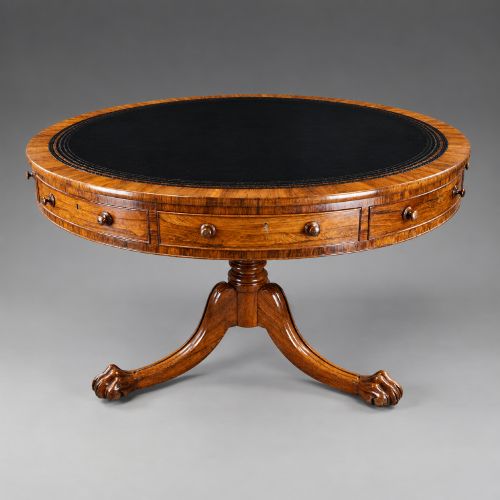
Clean the leather gently with a damp cloth and treat it periodically with specialised leather balm to prevent cracking.
Avoid placing hot cups or direct sunlight on the surface to preserve the original tone and flexibility.
How can I tell a Georgian desk from a Victorian revival piece?
Georgian pieces display construction methods and timber ageing consistent with the eighteenth century, including hand-cut dovetails and native woods.
Victorian revival examples often incorporate machine tooling or denser secondary timbers typical of later nineteenth-century manufacturing.
Are these desks suitable for daily computer work?
Many historical desks accommodate modern laptops and paperwork, provided the working height matches standard seating.
Care should be taken to protect antique wood and leather finishes from modern peripherals and equipment cords.