
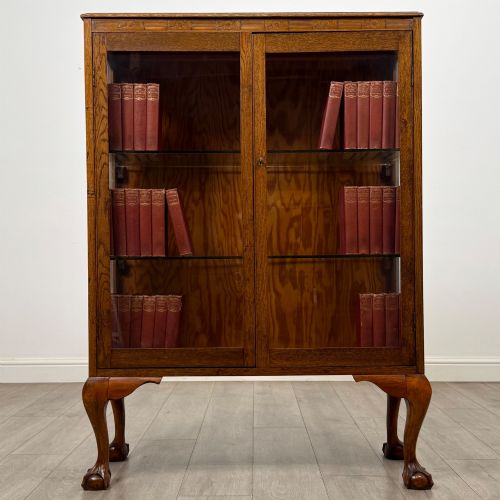
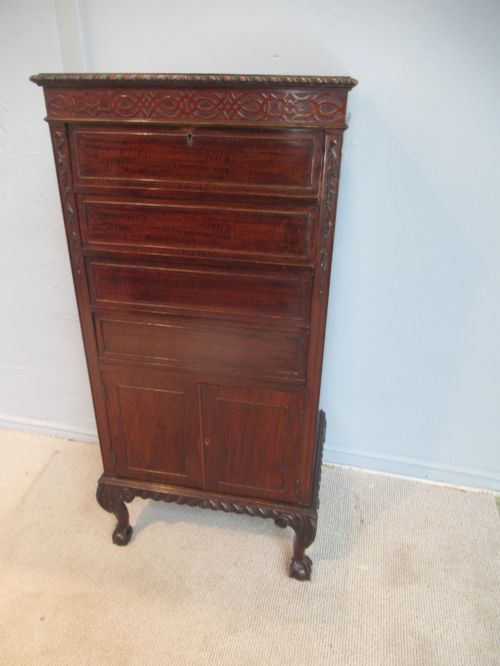

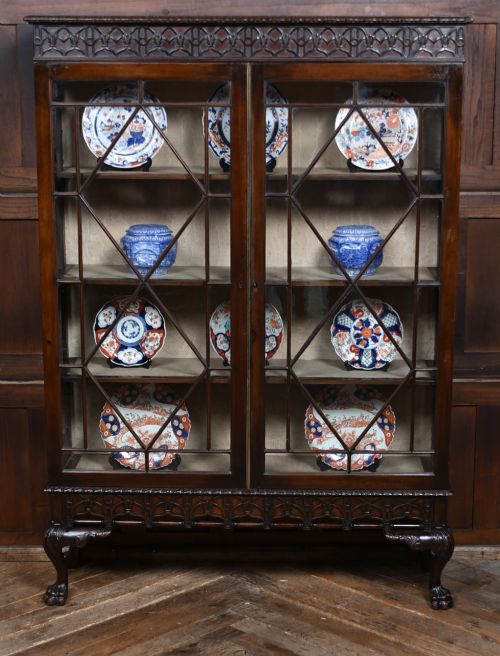
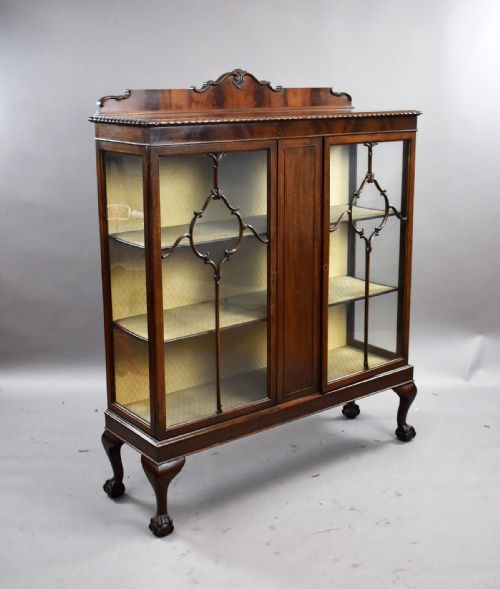
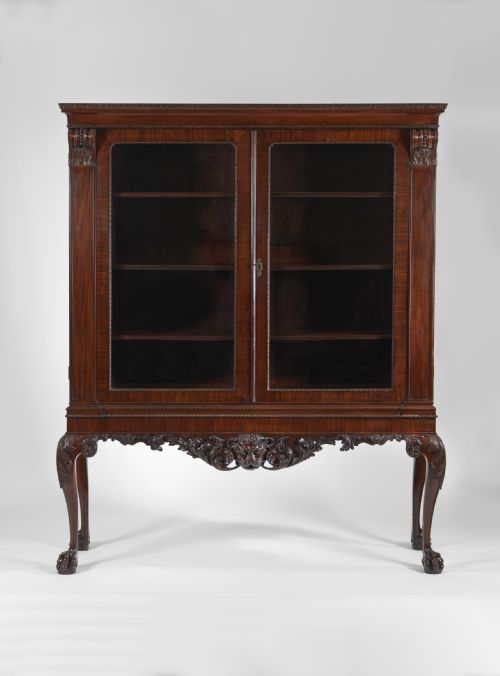


Claw and Ball Cupboard
A claw and ball cupboard anchors a room with its carved, grasping feet and rich timber grain, offering practical storage disguised as historical theatre.
Claw and Ball Cupboard
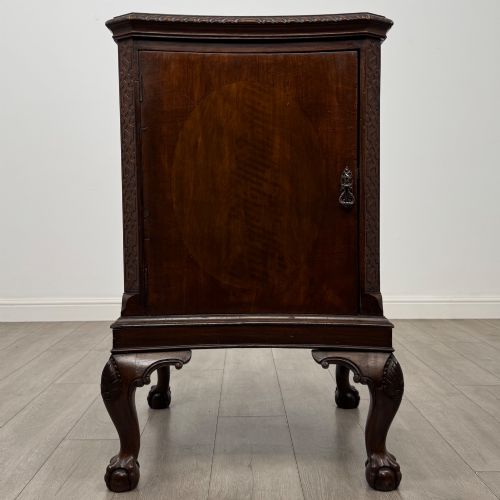
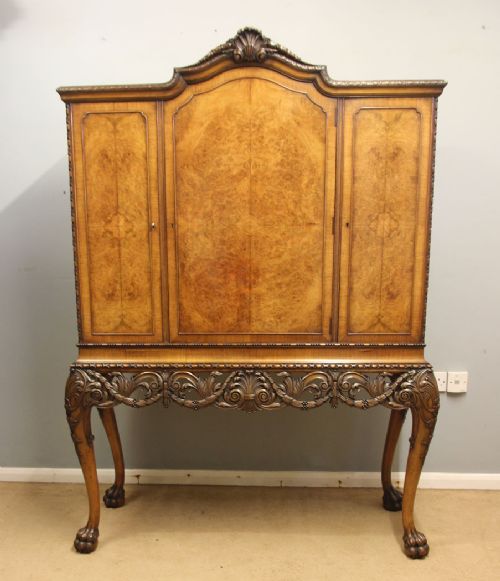
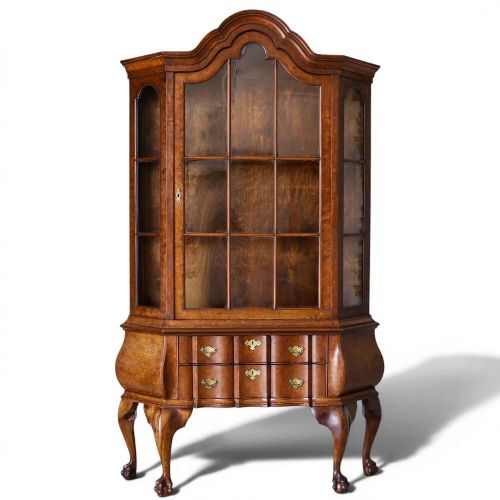
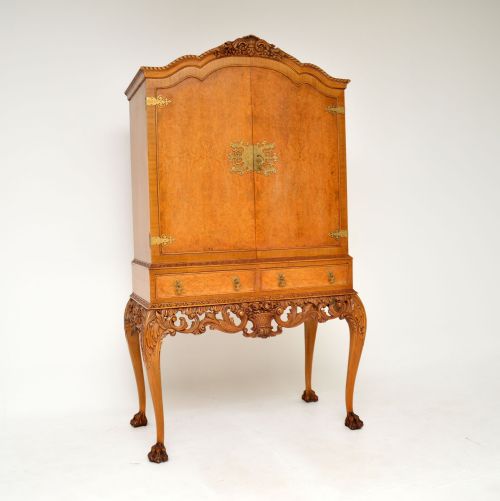
A claw and ball cupboard brings together distinctive bird or beast foot carvings and upright storage, appearing primarily in revival styles like Chippendale and Queen Anne alongside earlier 18th Century examples. These pieces span diverse domestic forms such as display cabinets, cocktail units, bedside chests, and music cabinets, serving both practical utility and decorative presence.
You will most commonly encounter Edwardian and 1920s interpretations on this page, often rendered in rich mahogany or figured burr walnut veneer. These later revival iterations borrow heavily from earlier George II or Dutch Baroque motifs, trading original 18th Century pedigree for accessible proportions and varied interior layouts like glazed upper sections or dedicated drinks compartments.
How they were made
Construction relies heavily on solid mahogany or oak frameworks enriched with burr walnut veneers, brass hardware, and glazed panels. Cabinet makers shaped these dense hardwoods using traditional joinery methods, applying delicate lacquering for Chinoiserie finishes or hand-carving the intricate ball and claw feet directly from the solid timber.
Surface treatments range from high-gloss French polish to applied burr walnut veneer panels that accentuate the natural grain patterns. Glazed upper cabinets and side compartments integrate glass panes alongside fitted brass hinges and locks, balancing structural integrity with refined decorative surface work.
Some Edwardian cabinet makers carved talons so fiercely tight around their wooden spheres that the poor balls look trapped for eternity.
What varies in quality
Quality separates through the crispness of the foot carving and the selection of timber veneers. A finely executed claw and ball foot displays deep, intentional muscle and talon definition rather than a soft, rounded lump of wood.
The choice of primary timber and veneer matching dictates the visual weight of the cabinet. Symmetrical figuring in burr walnut veneer and substantial solid mahogany carcasses denote higher workshop standards compared to plain, unfigured secondary woods or heavy, indistinct surface carving.
The Claw and Ball Cupboard Glossary
- Claw and ball
- A furniture foot motif depicting a bird's talon or animal paw grasping a ball, popularised during the 18th Century and revived in later periods. This striking support anchors the heavier proportions of the cabinet above.
- Burr walnut
- A decorative timber veneer harvested from the knotty growths of walnut trees, prized for its swirling, organic grain patterns. Cabinet makers applied these thin sheets to front panels to create rich visual movement.
- Chippendale revival
- A late 19th and early 20th Century design movement recreating the mid-18th Century aesthetic of Thomas Chippendale. These pieces often feature characteristic carving, rococo influences, and refined mahogany frames.
- Chinoiserie
- European decorative style reflecting Chinese artistic motifs, typically executed in lacquered finishes and gilt detailing. It appears on select cabinets to introduce exotic pictorial scenes.
Claw and Ball Cupboard: Frequently Asked Questions
What is a claw and ball cupboard?
A claw and ball cupboard is a storage piece defined by its distinctive carved feet, which resemble an animal paw or bird talon gripping a sphere. These cabinets range from tall display furniture to compact bedside chests.
They combine practical interior shelving or drinks storage with historical revival aesthetics, drawing heavily on 18th Century design traditions.
How do I date a claw and ball cabinet?
Dating relies on examining the internal construction, secondary timbers, and overall revival style of the cabinet. Many pieces date from the Edwardian era or the 1920s, employing older revival motifs rather than originating in the 18th Century.
Hardware, lock mechanisms, and veneer application methods also help distinguish early George II originals from later 20th Century interpretations.
Where should I place a drinks cabinet?
Burr walnut and mahogany drinks cabinets suit reception rooms, dining spaces, or drawing rooms where their decorative grain and glass doors can be appreciated. Their fitted interiors accommodate glassware and bottles securely.
Keep them away from direct sunlight and strong heat sources to protect the wood veneers and traditional polish finishes from drying out.
Are these cabinets made of solid wood?
Construction typically combines solid timber framing with decorative wood veneers applied over stable secondary woods. Mahogany and oak frequently form the solid structural carcasses.
Fitted panels often utilise burr walnut veneer to create symmetrical patterns across the doors, supported by brass hardware and glass.