




Classical Wooden Desk
A classical wooden desk brings refined proportions and traditional craftsmanship to a study, offering a practical writing surface with enduring aesthetic appeal.
Classical Wooden Desk
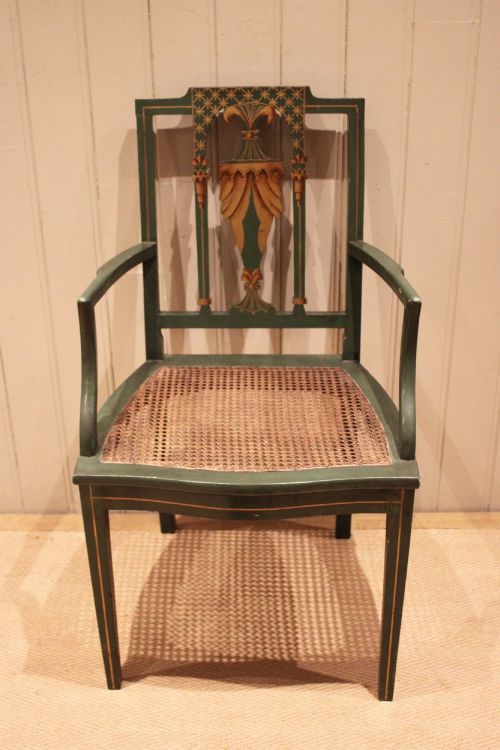
The selections available reflect periods ranging from the nineteenth century into the early twentieth century, alongside specific revivals like the Hepplewhite style. Woods such as oak and mahogany dominate the construction, often enhanced by inlay work or ebonised finishes.
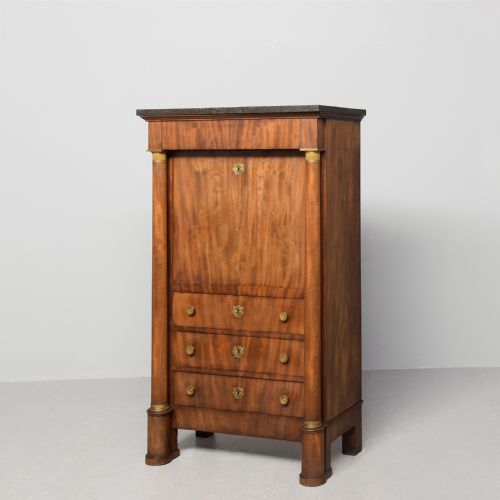
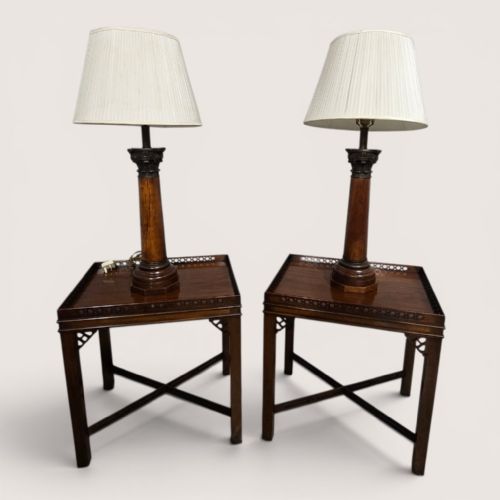
While the inventory encompasses various seating, lighting, and case furniture, the core focus remains on solid timber construction rooted in classical forms. Pieces range from straightforward writing tables to more elaborate secretaire designs.
Distinctions in quality
Quality rests upon the selection of timber and the precision of the joinery used to unite the structural components. Superior examples display tightly fitted joints and well-chosen grain patterns that enhance the visual depth of the wood.
The refinement of carved ornamentation and the integrity of any applied veneer distinguish finer workshop output from simpler utilitarian items. Original hardware and undisturbed surface finishes contribute further to a piece's standing.
Classical Wooden Desk Retail Price Guide 2026
Typical asking prices for classical wooden desk among the pieces listed under this phrase on Sellingantiques today, from the lower quarter to the upper quarter. They describe what is for sale here now, not the wider market.
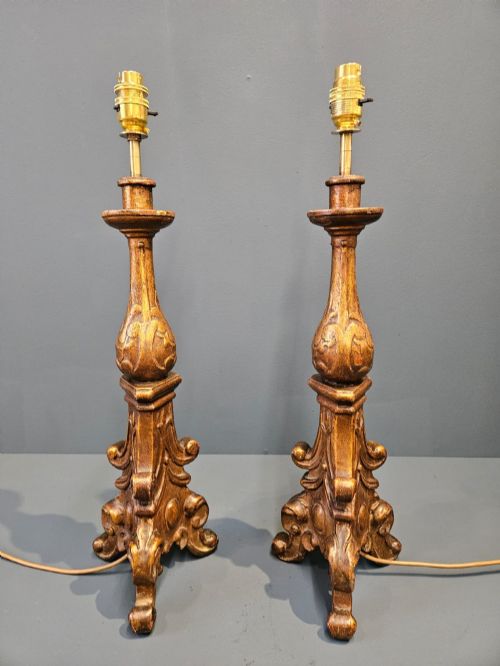
A solitary carved cherub occasionally watches over the room from a heavy oak table lamp.
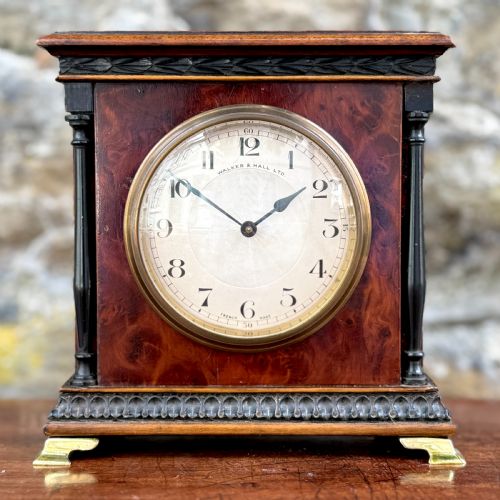
Walker and Hall·George Hepplewhite
The Classical Wooden Desk Glossary
- Secretaire abattant
- A tall case furniture piece featuring a drop-front writing flap that conceals a collection of small drawers and pigeonholes. This form allows a full writing surface to be stowed vertically when not in use.
- Inlay
- A decorative technique where pieces of contrasting timber, shell, or metal are inserted into recessed portions of the primary wood surface. This creates flat patterns and geometric borders across the desk top or drawers.
- Hepplewhite
- A classical eighteenth-century design style associated with elegant proportions, shield-back chair designs, and delicate tapered legs. Furniture executed in this manner often exhibits restrained neoclassical ornamentation.
- Ebonised wood
- Timber treated with a chemical stain or black finish to imitate the appearance of heavy ebony. This technique gained popularity during various nineteenth-century revival periods for dramatic contrast.
Classical Wooden Desk: Frequently Asked Questions
What defines a classical wooden desk?
A classical wooden desk is defined by its traditional timber construction, typically utilising oak or mahogany, and adherence to historic design periods like the Georgian or Victorian eras. These items prioritise symmetrical proportions and architectural elements over modern minimalism.
Such pieces often incorporate traditional joinery techniques and decorative elements such as crossbanding or inlay work. Their enduring appeal lies in combining practical workspace functionality with historic cabinet-making traditions.
How do I care for antique timber furniture?
Antique timber surfaces require consistent humidity control and protection from direct sunlight to prevent the wood from drying out or warping over time. Regular dusting with a soft, dry cloth maintains the finish without introducing moisture.
Periodic application of appropriate wax polish helps nourish the wood and preserve its natural lustre. Avoid placing hot or damp objects directly on the wooden surface to prevent permanent ring marks.
How can I identify the period of a desk?
Dating a wooden desk involves examining the construction methods used for the drawer linings, the type of timber selected, and the overall stylistic vocabulary. Machine-cut components usually indicate a later nineteenth or twentieth-century origin, while hand-cut dovetails point to earlier periods.
Hardware styles and secondary woods hidden inside the construction also provide reliable clues for establishing the era of manufacture. Comparing the decorative motifs against documented historical styles confirms the likely period.