



Classical Wooden Chairs
Classical wooden chairs bring sculptural lines and enduring craftsmanship into a room, offering both historic form and practical seating.
Classical Wooden Chairs
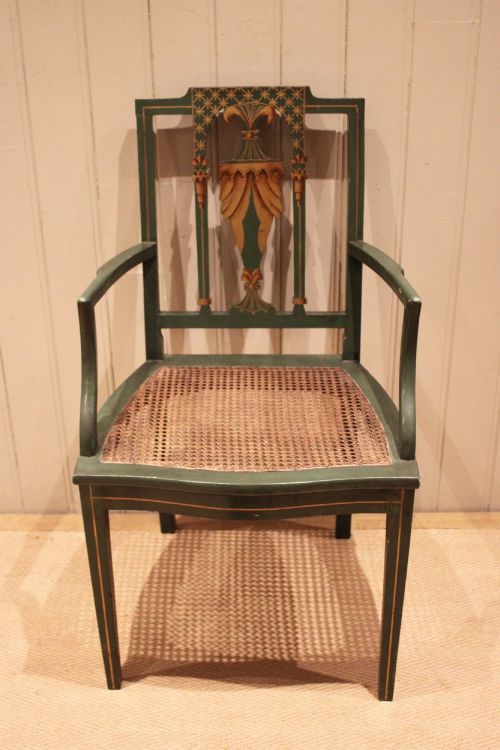
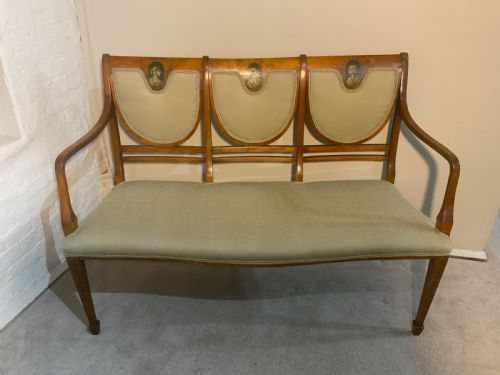
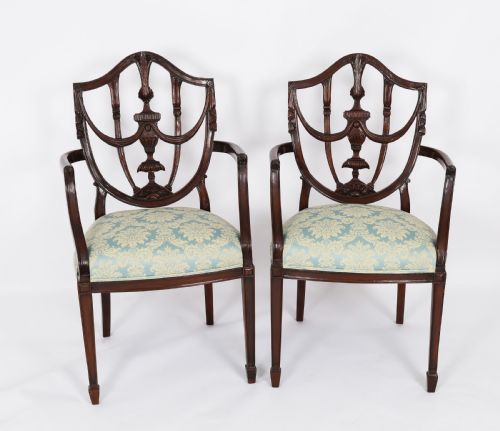
The versions most commonly met on this page include Regency and Regency style designs, alongside Edwardian inlaid pieces and Federal Revival shield back armchairs. Makers and workshops from various decades applied neo-classical motifs, painted decoration, and cane seating to these diverse timber frames.
Materials and construction
Makers utilised solid timbers such as mahogany, oak, and birch to build the structural frames, often finishing them with ebonised surfaces, giltwood, or delicate paintwork. Inlay work in satinwood adds contrasting detail to the timber surfaces of Edwardian and later examples.
Seating portions frequently incorporate woven cane panels or upholstered pads covered in fabric. Carved elements, including pelta backs and shield backs, define the profiles of the wooden frames.
Classical Wooden Chairs Retail Price Guide 2026
Typical asking prices for classical wooden chairs among the pieces listed under this phrase on Sellingantiques today, from the lower quarter to the upper quarter. They describe what is for sale here now, not the wider market.
Listings feature periods spanning from the Regency era through Edwardian times, utilising mahogany, satinwood, and painted finishes.
Assessing quality
Quality in these chairs rests on the crispness of the carving, the precision of any satinwood inlay, and the integrity of the timber frame. Finer examples display meticulous hand-painting, well-preserved gilding, and robust joinery that sustains the original form.
The distinction between standard production and superior work often appears in the subtlety of the classical proportions and the condition of integrated materials like cane seats or carved crest rails.
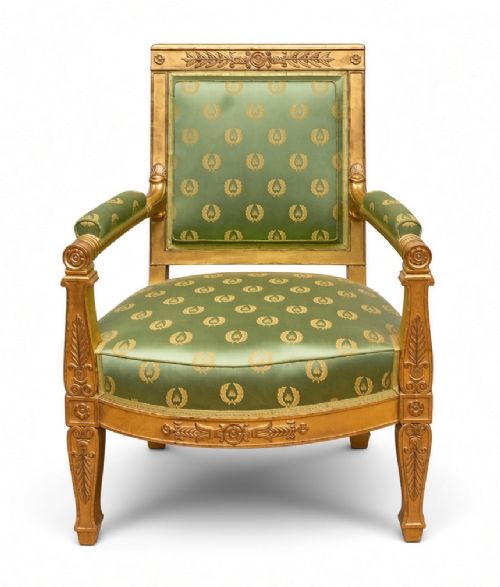
Jacob Desmalter
The Classical Wooden Chairs Glossary
- Regency
- A British period spanning the early nineteenth century defined by classical restraint and archaeological influence. Furniture from this era often incorporates Greek and Roman revival motifs.
- Fauteuil
- An open-armed upholstered armchair with exposed wooden framing originating in France. These seats feature padded armrests and distinct stylistic carving.
- Settee
- A medium-length wooden or upholstered seat designed for multiple occupants. Versions here often feature matching chair-back designs and caned panels.
- Ebonised
- Wood treated with a dark finish to imitate ebony. This technique creates a stark contrast when combined with gilded highlights.
- Satinwood
- A durable exotic timber with a lustrous yellowish grain used for fine cabinetmaking and decorative inlay. It provides a bright contrast against darker woods like mahogany.
Classical Wooden Chairs: Frequently Asked Questions
What defines a classical wooden chair?
Classical wooden chairs draw their inspiration from ancient Greek, Roman, or neo-classical design principles. They typically feature balanced proportions, symmetrical framing, and decorative motifs such as urns, shields, or carved drapery.
These chairs range from formal hall seating to upholstered armchairs, reflecting the stylistic preferences of periods like the Regency and the Edwardian era.
How do I identify a Regency chair?
Regency chairs often display clean, architectural lines with saber legs, reeded framing, and classical brass or painted highlights. The influence of ancient archaeological discoveries guides their geometric forms and carved details.
Many examples utilise mahogany or ebonised wood, sometimes paired with gilt accents or caned seats to lighten the visual weight of the timber.
Where were hall chairs used?
Hall chairs served as functional seating placed in the entrance halls or corridors of large homes. They were built primarily from solid woods like mahogany or oak and were designed to be durable rather than deeply cushioned.
These pieces frequently incorporate painted family crests, shield backs, or carved wooden panels that displayed the lineage or taste of the household.
How should I care for antique wooden chairs?
Maintaining these chairs involves keeping them away from direct heat sources and drastic humidity changes to prevent timber splitting. Regular dusting with a soft cloth preserves the finish without damaging the wood or paintwork.
For caned or upholstered sections, gentle cleaning avoids wear to the historic materials while supporting the structural longevity of the frame.