





Classical Style Frame
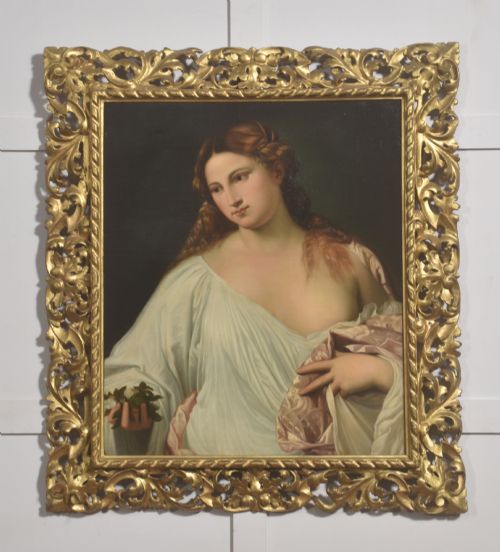
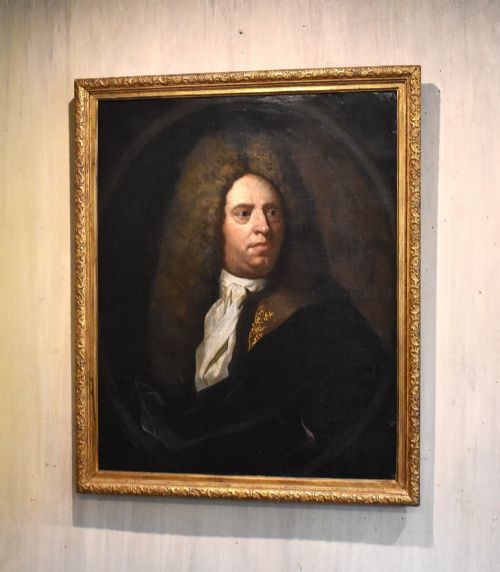
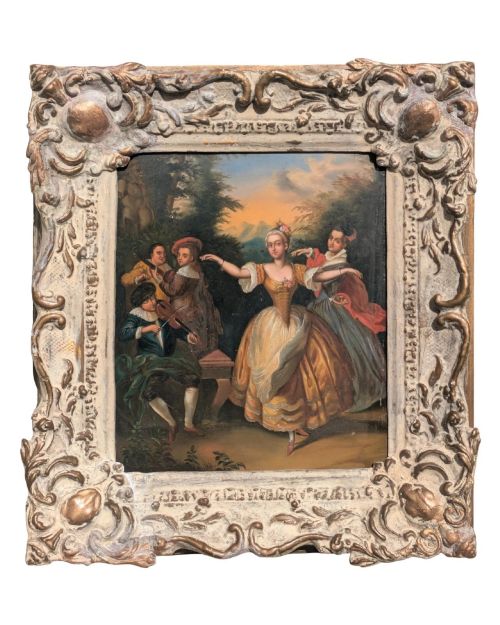
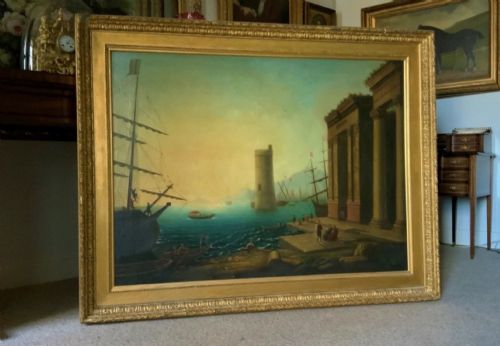
A classical style frame encloses historic oils and mirrors, bringing structured ornamental dignity and depth to interior walls.
Classical Style Frame
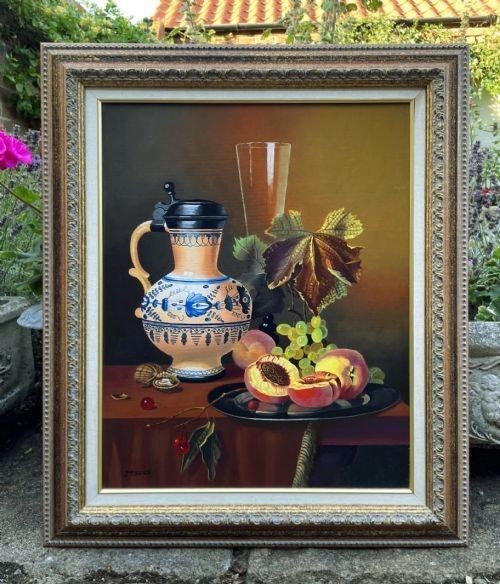
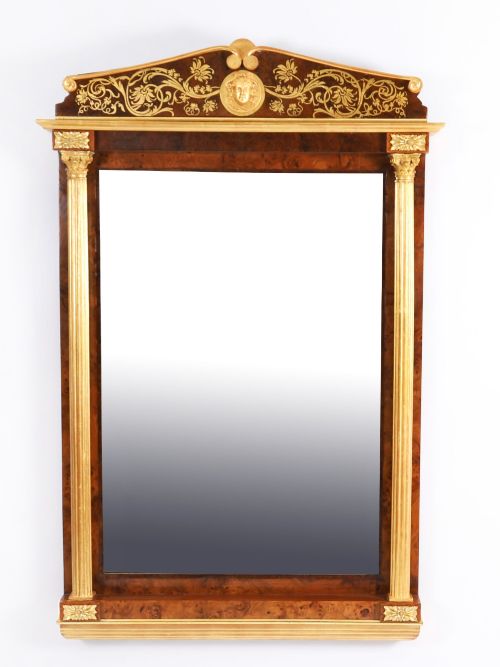
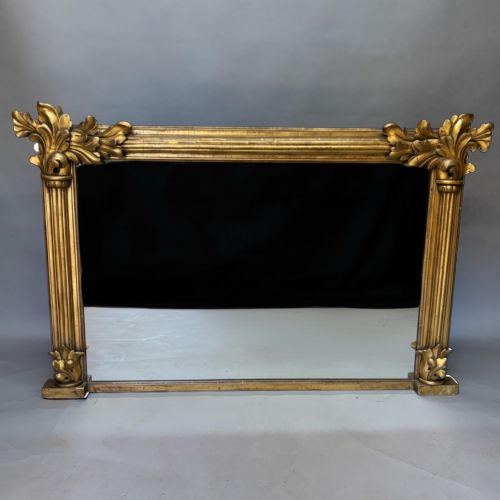
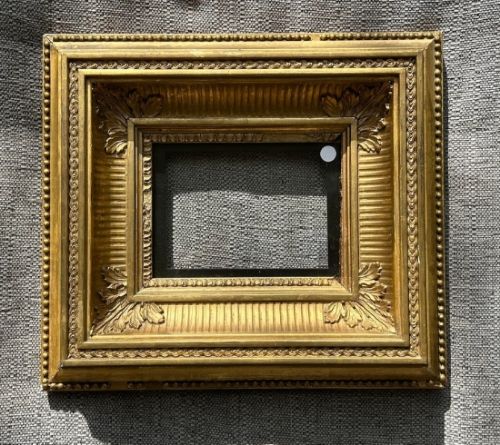
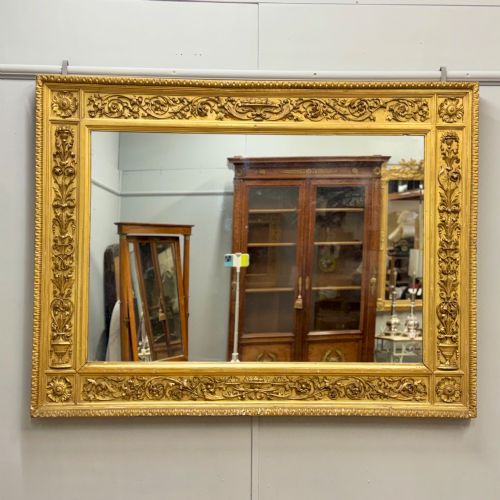
A classical style frame encompasses carved wood, gesso, and giltwood constructions designed to house fine art, oil paintings, and wall mirrors. These items span periods from the seventeenth century through the nineteenth century, utilising ornamental motifs derived from classical antiquity.
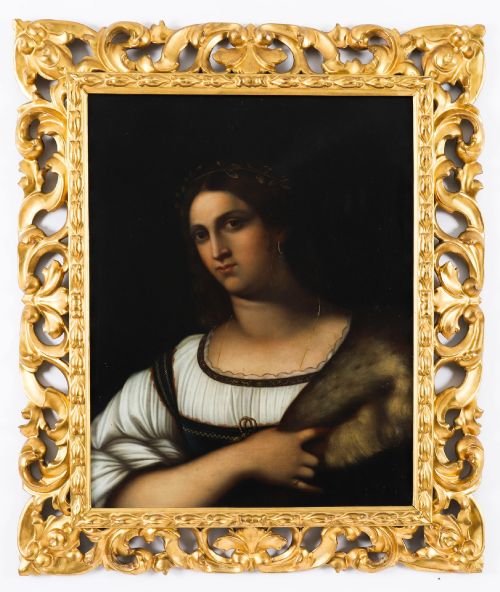
The versions met most frequently on this page combine wood substrates with applied gesso and gold leaf or gilt finishes. They appear alongside oil paintings on canvas and panel, featuring subjects such as portraits, still lifes, and mythological scenes set within architectural or decorative surrounds.
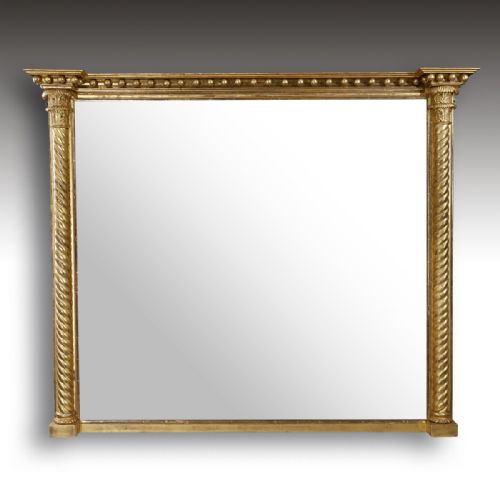
Mouldings often incorporate fluted hollows, columns, and carved leaf patterns typical of neoclassical, Renaissance revival, and baroque aesthetics. Buyers encounter standalone picture frames alongside overmantel mirrors and large painted works framed in period character.
Materials and construction
Carpenters and gilders constructed these objects using timber frames built from solid wood. Artisans applied layers of plaster-based gesso directly onto the timber to build up relief ornamentation and crisp moulding profiles.
Surface decoration relied heavily on gold leaf application or gilding over the prepared gesso base. Carved wooden elements provided structural stability while supporting heavy oil paintings on canvas and glass mirror plates.
Classical Style Frame Retail Price Guide 2026
Typical asking prices for classical style frame among the pieces listed under this phrase on Sellingantiques today, from the lower quarter to the upper quarter. They describe what is for sale here now, not the wider market.
Materials documented across the available pieces include glass, paper, canvas, and gold leaf applied over gesso.
Assessing craftsmanship
Depth and crispness of the carved wooden ornament distinguish superior examples from simpler productions. Hand-chiselled detailing and finely built gesso mouldings demonstrate a higher degree of artisan skill than cast or pressed composition substitutes.
The preservation of the original gold leaf surface and the integrity of the underlying wood determine the visual weight of the piece. Substantial timber construction and well-anchored mitre joints indicate robust historical manufacture.
Miles and Edwards
The Classical Style Frame Glossary
- Gesso
- A plaster-based mixture applied to wood frames to create a smooth surface for gilding and carving. It allows artisans to mould sharp decorative relief details.
- Giltwood
- Timber coated with gold leaf or metallic paint to imitate solid gold. This finish characterises formal European picture frames and decorative wall mirrors.
- Overmantel mirror
- A large wall mirror designed specifically to hang above a fireplace mantel. These pieces frequently feature architectural framing elements like columns and carved cornices.
- Fluted hollow
- A concave moulding profile decorated with parallel vertical grooves. It draws the eye inward toward the framed artwork or mirror plate.
Classical Style Frame: Frequently Asked Questions
How do I hang a heavy framed mirror?
Heavy carved wood and gesso pieces require secure wall fixings anchored directly into structural studs or masonry. Using heavy-duty picture wire attached to robust brass D-rings ensures the weight distributes evenly.
Professional installation is recommended for large overmantel frames and substantial oil paintings to prevent structural strain on the frame joints.
What is the difference between gesso and carved wood?
Carved wood forms the structural base of the object, shaped directly from timber by hand. Gesso is a chalk and binder mixture layered over the wood to build up fine decorative details and mouldings.
Master artisans carved intricate motifs directly into the timber or built them up in thick gesso layers before applying gold leaf.
How should I clean a gilded frame?
Dusting gently with a soft, dry ostrich feather brush prevents particle accumulation without disturbing delicate surfaces. Avoid liquid cleaners, water, and chemical polishes entirely, as moisture strips historical gold leaf and damages exposed gesso.
Professional conservators should handle repairs for flaking gilding or cracked plaster elements to preserve the historical integrity of the piece.
Are these frames suitable for modern art?
Historic frames provide striking visual contrast when paired with contemporary oil paintings or abstract prints. The ornate classical mouldings add texture and a sense of architectural structure to minimalist interiors.
Ensuring the rebate depth matches the canvas thickness allows modern works to sit securely within the historical moulding.