



Classical Silver Urn
A classical silver urn brings sculptural dignity and neoclassical restraint to a room, offering a focal point rooted in ancient architectural forms.
Classical Silver Urn
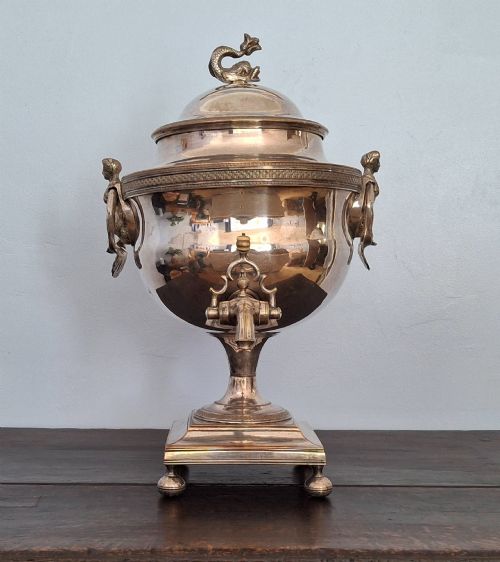
When you search for classical silver urn, you find a selection of decorative vessels and functional pieces drawing on antique architectural motifs. These objects range from tea urns and samovars with taps to wine coolers, centrepieces, and pedestal urns.
The versions most commonly met on this page date from the nineteenth century, including Victorian, Edwardian, Georgian, and Regency periods. They take varied forms such as lidded garnitures, campana wine coolers, and tazzas made for display or service.
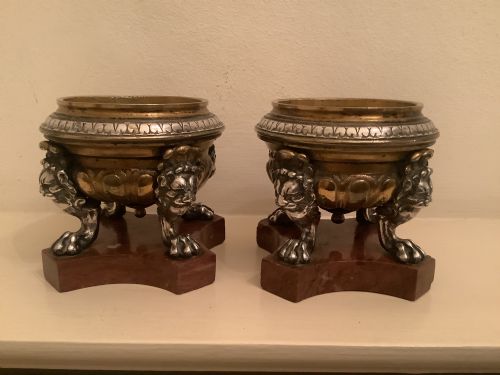
Many items incorporate silver plate, sterling silver, or silvered bronze, often paired with materials like marble, cobalt glass, copper, and bronze. Their styles reflect Grand Regency, Napoleon III, and Grand Tour or classical revival aesthetics.
How they were made
Maker workshops utilised silver plating techniques alongside casting in bronze, copper, and ormolu to achieve substantial form and reflective surfaces. Old Sheffield plate methods appear among Georgian and Regency examples, fusing silver layers over copper bases.
Decorative elements involve detailed surface work, handles, taps, and pedestal mounts, sometimes incorporating contrasting components like cobalt glass liners or marble bases.
Classical Silver Urn Retail Price Guide 2026
Typical asking prices for classical silver urn among the pieces listed under this phrase on Sellingantiques today, from the lower quarter to the upper quarter. They describe what is for sale here now, not the wider market.
Some nineteenth-century makers offered faux urns designed purely to look heavy and neoclassical while hiding lighter domestic purposes.
What varies in quality
The distinction between tiers rests upon the crispness of the cast ornamentation, the integrity of the base metal, and the balance of the proportions. Finer pieces demonstrate careful hand-finishing on classical friezes, handles, and pedestal mounts.
Condition of the plating or metal surface matters significantly, as does the authenticity of paired components such as lids and matching garniture sets.
Walker & Hall·Harrison Brothers & Howson·Lerolle Fres
The Classical Silver Urn Glossary
- Campana
- A bell-shaped vessel form frequently utilised for wine coolers and decorative urns in classical designs. This silhouette originates from ancient pottery and metalwork.
- Samovar
- A heated metal urn traditionally used to boil water for tea, often featuring a spigot or tap near the base. These pieces appear in silver plate during the Georgian and Victorian eras.
- Tazza
- A shallow saucer-shaped vessel mounted on a stem and foot, used for display or serving. They share the classical revival vocabulary seen in pedestal urns.
- Ormolu
- Gilded bronze applied to decorative objects and furniture mounts, often contrasting with silvered elements on nineteenth-century pieces. The finish provides a rich golden tone alongside silver surfaces.
- Old Sheffield Plate
- An early form of composite metal made by fusing a thin sheet of silver to a thicker copper core. This technique predates modern electroplating.
Classical Silver Urn: Frequently Asked Questions
What is a classical silver urn used for?
These vessels served various functions historically, from heating water for tea in domestic settings to cooling wine at formal dinners. Many pieces were purely decorative, designed as centrepieces or garnitures to display classical taste.
Today, buyers place them on sideboards, mantelpieces, or tables as sculptural accents. Their architectural lines anchor a room's decorative scheme.
How do I identify a Regency period piece?
Regency items often display strict neoclassical proportions, drawing directly on Greek and Roman archetypes. Look for campana profiles, crisp handles, and Old Sheffield plate construction characteristic of the early nineteenth century.
Details such as pedestal bases and classical friezes help separate these pieces from later Victorian revivals. The weight and method of silver application also offer clues to the era of manufacture.
Are these urns made of solid silver?
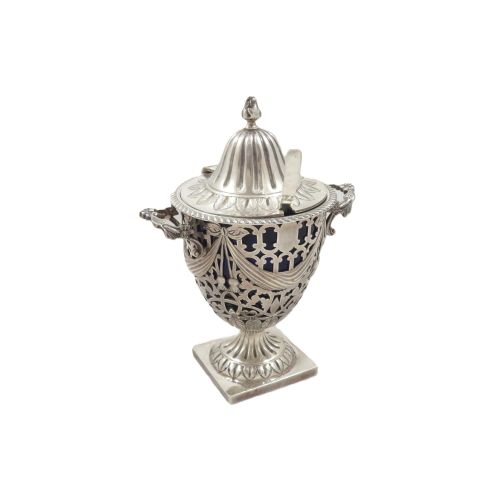
Most pieces found in this category utilise silver plate, Old Sheffield plate, silvered bronze, or ormolu over base metals like copper and bronze. Sterling silver examples do exist, such as specific sugar baskets or smaller urns.
Examining the construction reveals whether the object is plated or solid. Plated items often show copper showing through wear areas on older pieces.
How should I clean a silvered bronze urn?
Silvered surfaces require gentle dusting with a soft cloth to avoid removing the delicate metallic finish. Commercial silver dips and abrasive polishes should be avoided on plated and silvered bronze items.
Consulting a specialist conservator ensures the appropriate method for the specific alloy or plating involved. Maintaining a stable indoor environment protects the metal from tarnishing rapidly.