


Classical Revival Table Light
A classical revival table light brings architectural dignity and warm illumination into a room, drawing on ancient forms.
Classical Revival Table Light
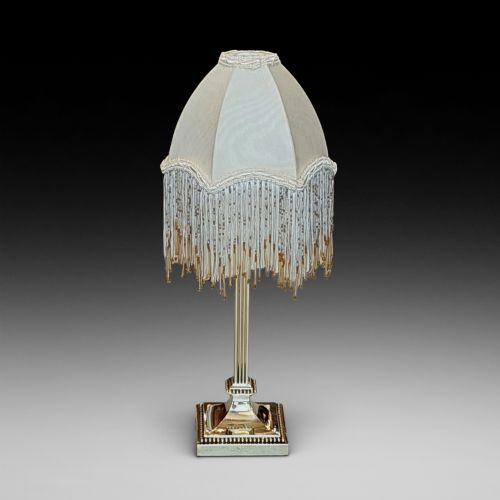
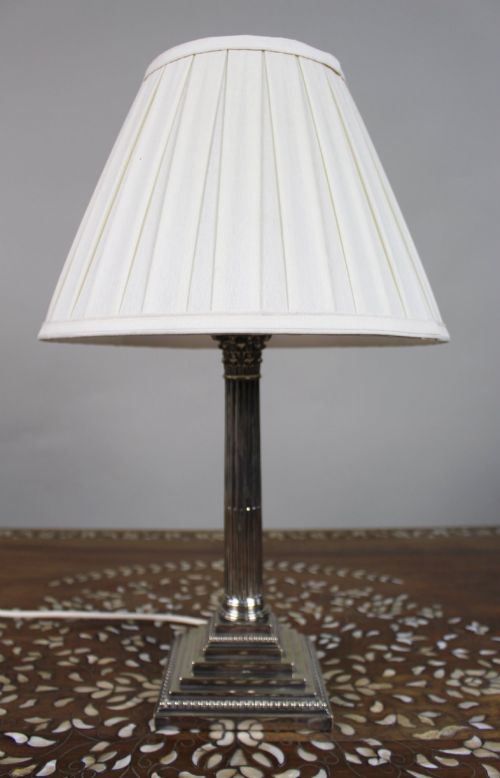
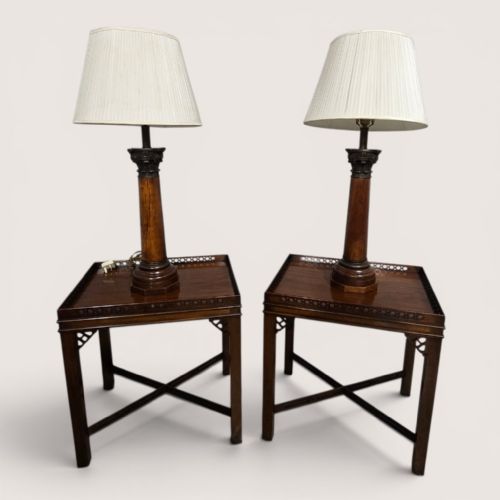
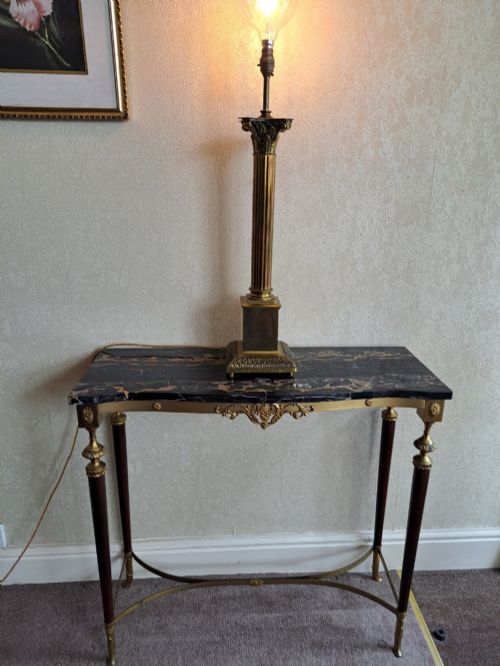
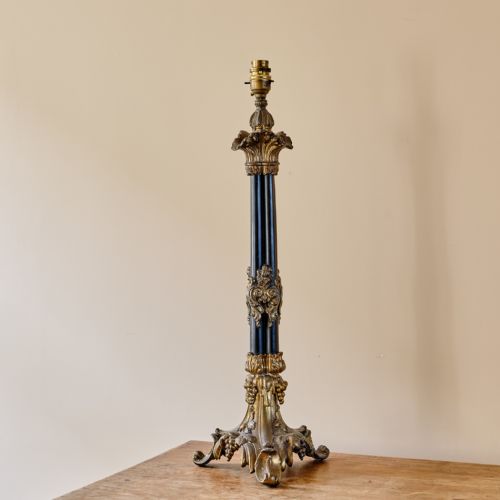
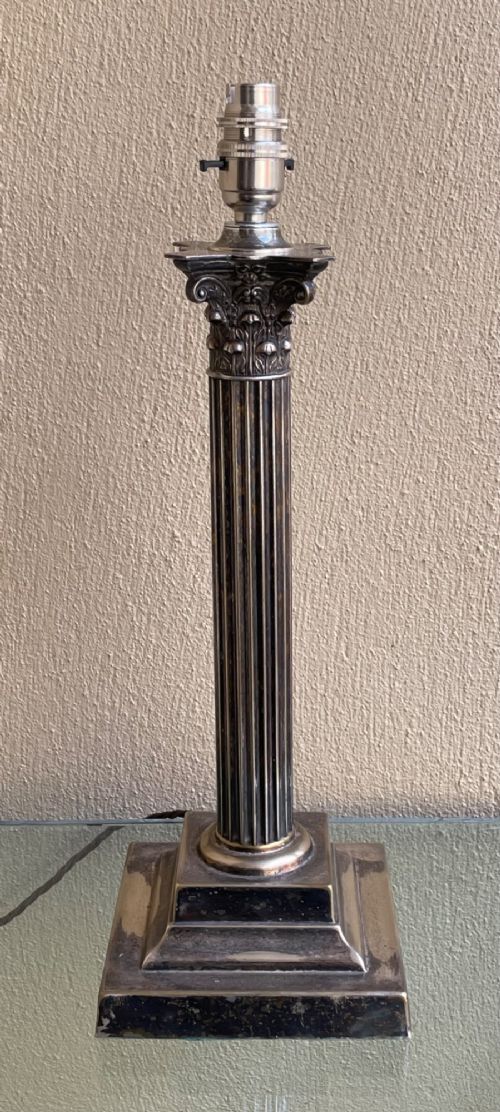
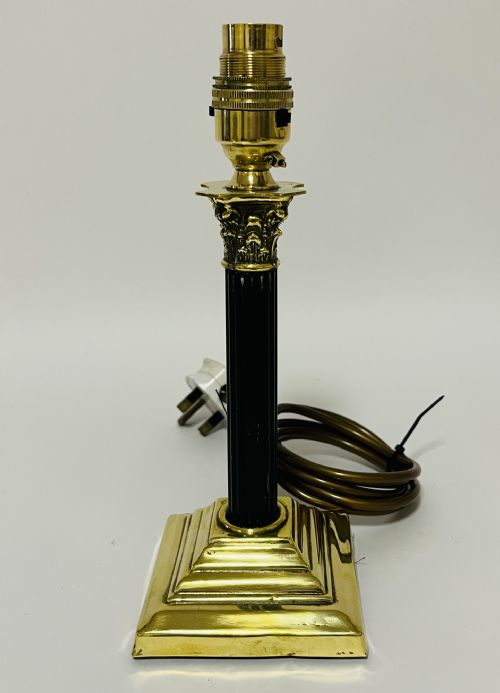
A classical revival table light draws on ancient architectural forms, appearing most often as a Corinthian column or an urn shape adapted for lighting. These pieces span the Victorian and Edwardian eras into the early twentieth century, showing sustained interest in classical antiquity.
The selection includes table lamps alongside candelabras and candlesticks. Brass and silver plated columns sit alongside French gilt bronze and marble examples, reflecting varied domestic lighting needs over several decades.
Materials and construction
Metals form the core of these pieces, with cast brass, silver plate, ormolu and bronze providing structure and weight. Many utilise stone elements such as marble, alabaster or onyx to create solid bases and shafts.
Detailing often involves crisp casting and hand chasing, particularly on gilt metal mounts and classical capitals. Fabric shades and cut glass components appear on later examples, while earlier pieces retain simpler candle sockets or conversion fittings.
Listings feature classical revival table lights spanning the Victorian and Edwardian periods, utilising brass, marble, alabaster, and silver plate.
Distinguishing craftsmanship
The refinement of the casting and the crispness of the architectural detail separate standard production from finer work. Superior examples display sharp fluting on columns and well-defined acanthus leaves on capitals.
Material choice and weight indicate standard, with heavier cast bronze, solid marble or substantial silver plating marking out better pieces. The integration of mounts and the quality of original gilding further distinguish the upper tier.
Harrison Brothers And Howson·Samuel Alcock
The Classical Revival Table Light Glossary
- Ormolu
- Gilded bronze, where a layer of gold amalgam is applied to a base of cast bronze. This technique creates a rich, matte yellow gold surface common on French decorative items.
- Corinthian column
- An architectural order featuring an ornate capital decorated with carved acanthus leaves. It appears frequently on metal and stone lamp shafts from the nineteenth century.
- Torchère
- A stand or lamp modelled to resemble a torch or a torch-bearer figure. These pieces often incorporate classical drapery or mythical motifs.
- Majolica
- Tin-glazed earthenware decorated with brightly coloured metal oxides. Italian examples from the nineteenth century often serve as colourful lamp bases.
Classical Revival Table Light: Frequently Asked Questions
How do I date a classical revival table light?
Dating relies on examining the materials, construction methods and wiring or conversion holes. Victorian and Edwardian examples often display distinct casting techniques and patination that help place them within a specific decade.
Maker marks, where present, provide further chronological clues. Stylistic nuances, such as the popularity of specific column orders or marble types, also indicate the period of manufacture.
How do I choose the right shade?
Selecting a shade involves balancing the height and weight of the classical column or urn base. Fabric shades with simple silhouettes usually complement the architectural lines without overpowering the metal or stone base.
Proportion remains the key consideration when pairing a shade with an antique base. The diameter of the shade should relate to the footprint and height of the lamp body to ensure visual stability.
Where should I place a column lamp?
Column lamps suit surfaces where height and vertical emphasis work well, such as sideboards, heavy timber desks, or large entrance hall tables. Their formal proportions draw the eye and provide steady ambient light.
Placement benefits from pairing with complementary furnishings that echo traditional or neoclassical interiors. Ensuring stable placement on a level surface protects heavier marble and bronze bases.