


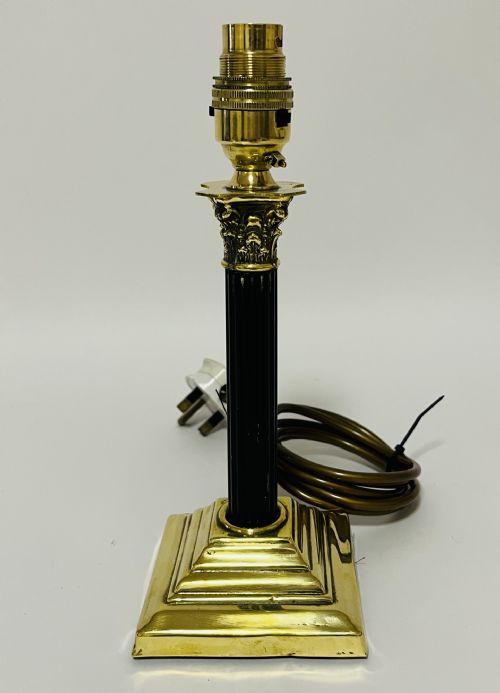


Classical Pillars
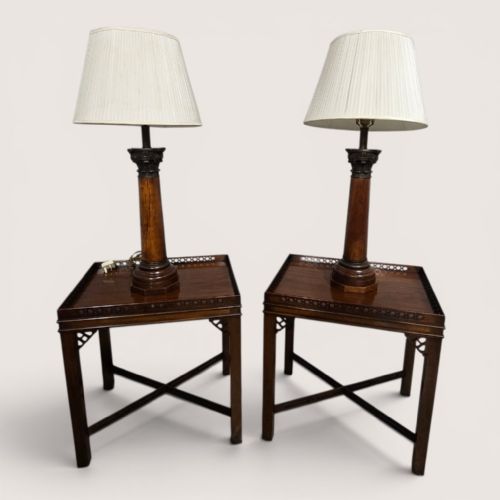
Classical pillars bring timeless architectural presence to an interior, appearing here as sculptural table lamps, striking pedestals, and substantial dining tables.
Classical Pillars
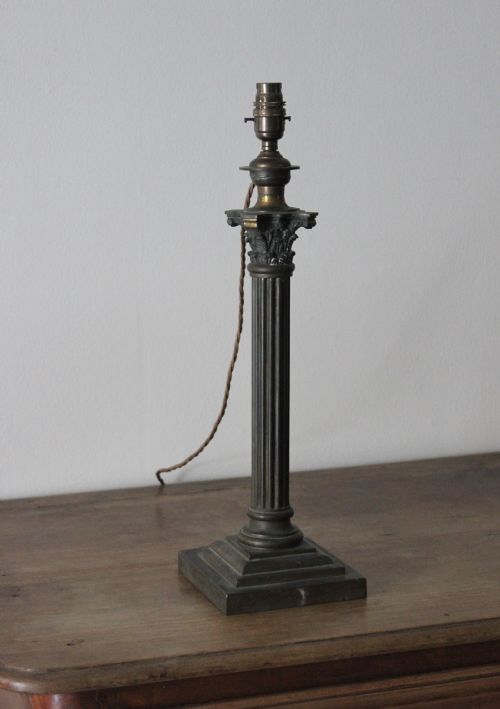
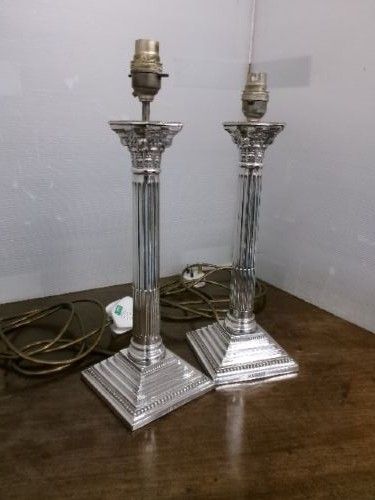
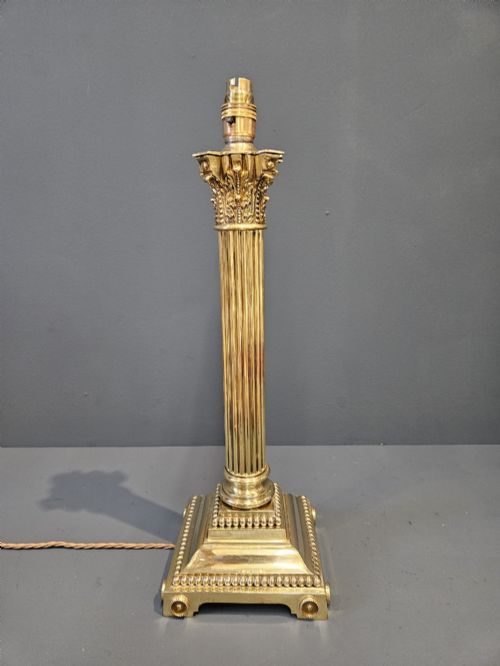
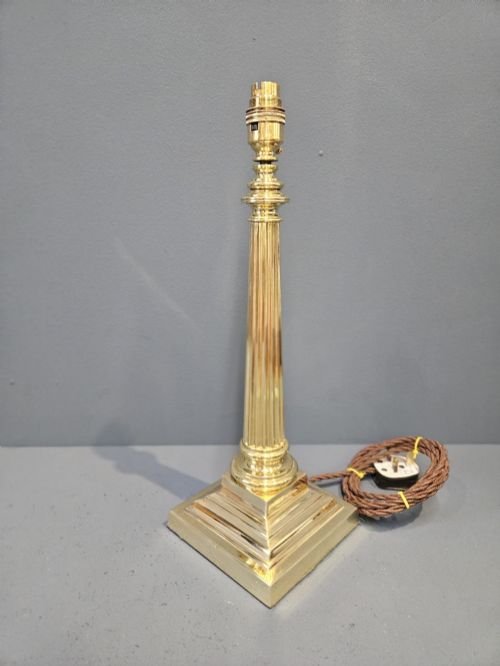
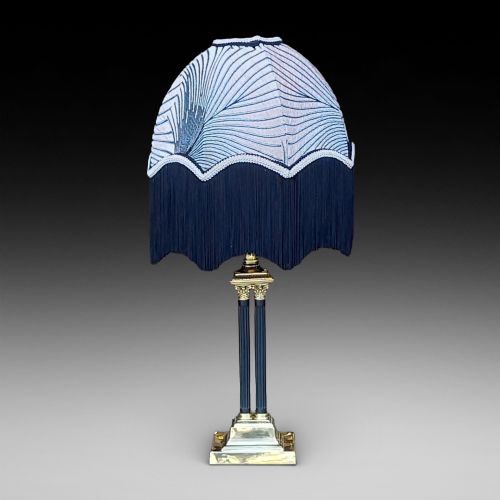
Classical pillars encompass a range of objects inspired by ancient architecture, dominated by tall table lamps featuring column shafts and architectural salvage columns. These pieces emerge primarily from the nineteenth century alongside later revivals spanning the Edwardian era into the nineteen-thirties.
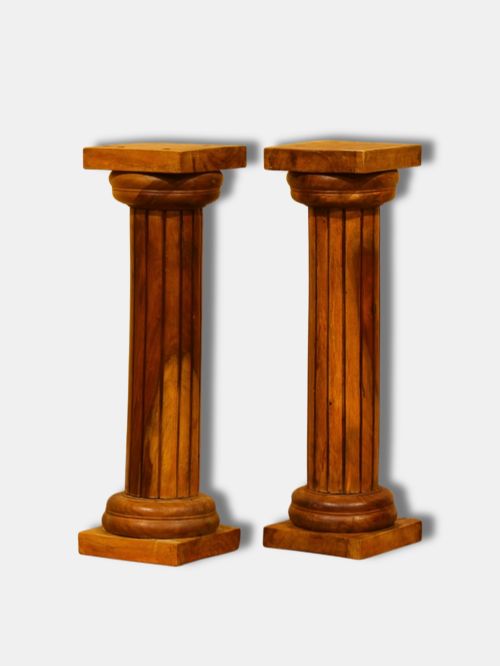
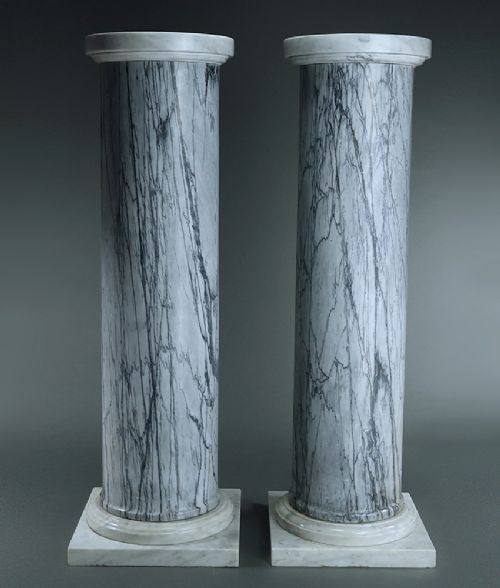
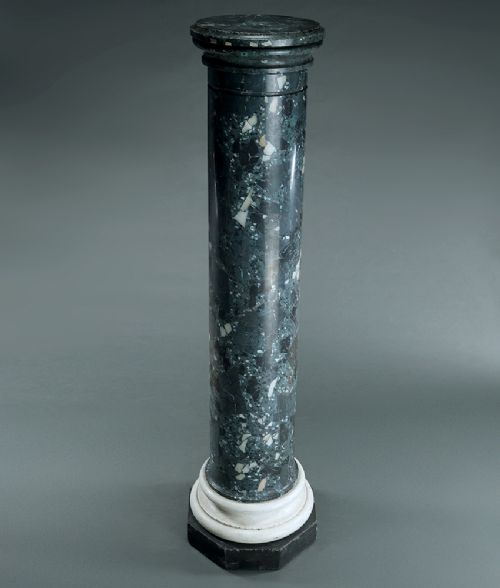
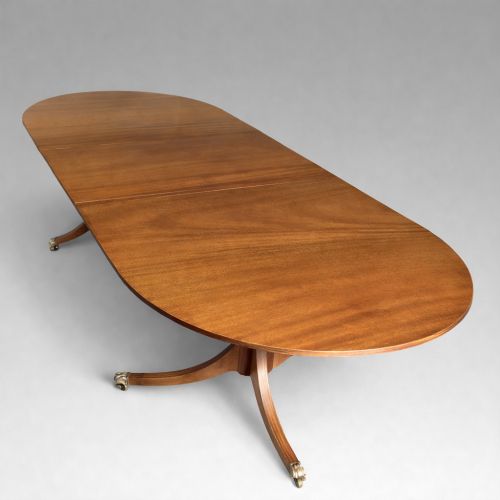
Beyond lighting, the selection includes twin pillar dining tables in mahogany, tall display pedestals, and heavy stone or marble columns designed to support decorative items. Each object adapts ancient architectural vocabulary for domestic interiors, utilising classical orders such as Corinthian and Ionic capitals.
Materials and Construction
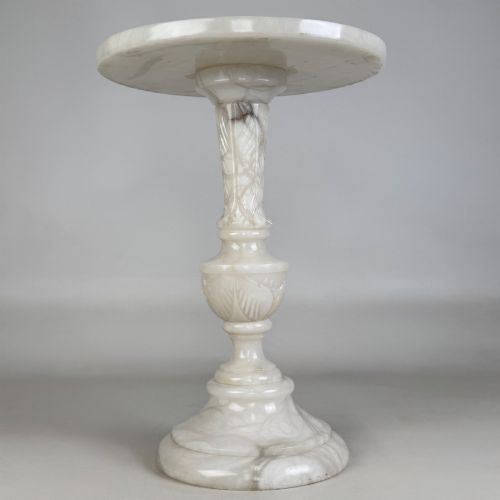
Natural stone and composite materials bring substantial weight and colour variation to the selection. Craftspeople utilise solid marble, scagliola, alabaster, and painted plaster to replicate ancient quarried stones across columns and plant stands.
Classical Pillars Retail Price Guide 2026
Typical asking prices for classical pillars among the pieces listed under this phrase on Sellingantiques today, from the lower quarter to the upper quarter. They describe what is for sale here now, not the wider market.
Several theatrical columns wait ready to bring a touch of nineteenth-century stage drama directly into a domestic hallway or living room.
Distinctions in Execution
The precision of carved details on capitals and bases distinguishes finer examples from simpler production. Crisp acanthus leaves on a Corinthian capital or finely reeded metal columns indicate superior craftsmanship.
Material selection and patination drive differences in overall impact. Natural marbles with varied veining patterns and aged patinated brass outshine plain painted surfaces or lesser secondary timbers.
Walter Latham & Son
The Classical Pillars Glossary
- Corinthian
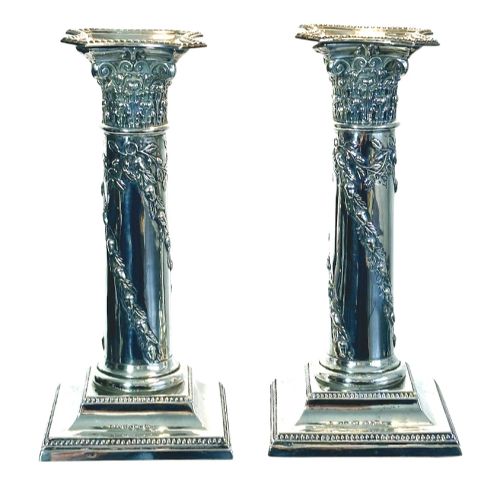
- A classical architectural order identified by ornate capitals decorated with rows of carved acanthus leaves. This motif appears frequently on nineteenth-century table lamps and candlesticks.
- Trumeau
- A decorative mirror or panel placed between windows or above a mantelpiece, often featuring painted scenes or antique glass panels. These architectural elements reflect nineteenth-century interior taste.
- Pedestal
- A structural support or base designed to elevate sculpture, urns, or plants. They appear in carved stone, wood, and painted plaster.
Classical Pillars: Frequently Asked Questions
How do I use a column lamp in a room?
Column lamps provide height and sculptural interest on sideboards, desks, or large console tables. Their vertical lines draw the eye upward and complement traditional or eclectic interior schemes.
Pare them with complementary shades to balance the substantial metal or wooden bases without overwhelming surrounding furnishings.
How do I distinguish marble from scagliola?
Natural marble feels cold to the touch, possesses natural crystalline structure, and shows deep veining that continues through the material. Scagliola is a composite plaster technique designed to mimic stone.
Closer inspection often reveals the smooth, polished plaster matrix of scagliola compared to the cold density of quarried stone.
Where should I place a decorative column?
Decorative columns and pedestals suit corners, hallways, or flanking doorways where they display art objects, urns, or plants. They introduce architectural rhythm and height to flat walls.
Ensure the base rests on a level surface due to the considerable weight of stone and hardwood examples.