



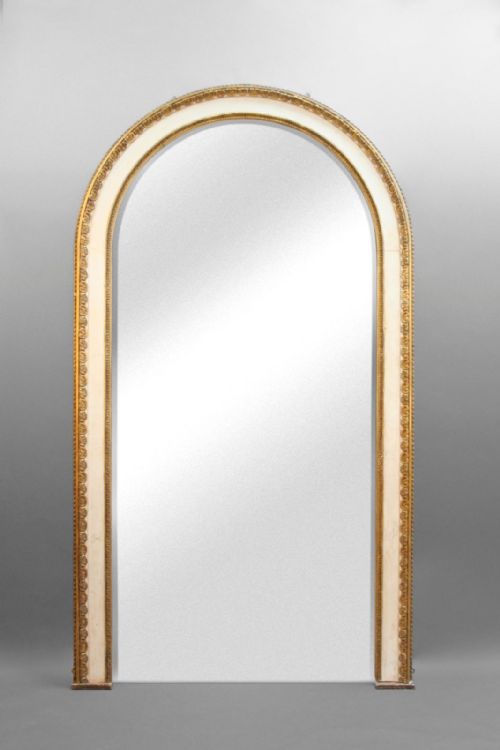
Classical Pier Glass
A classical pier glass sits between windows to catch and reflect light, bringing warmth and balance to a room.
Classical Pier Glass
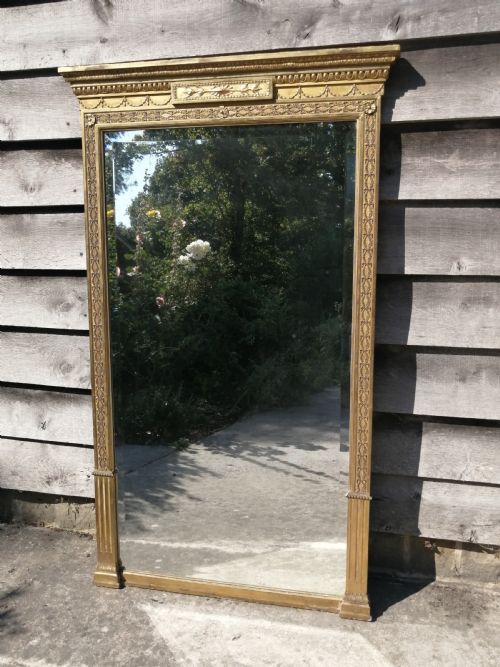
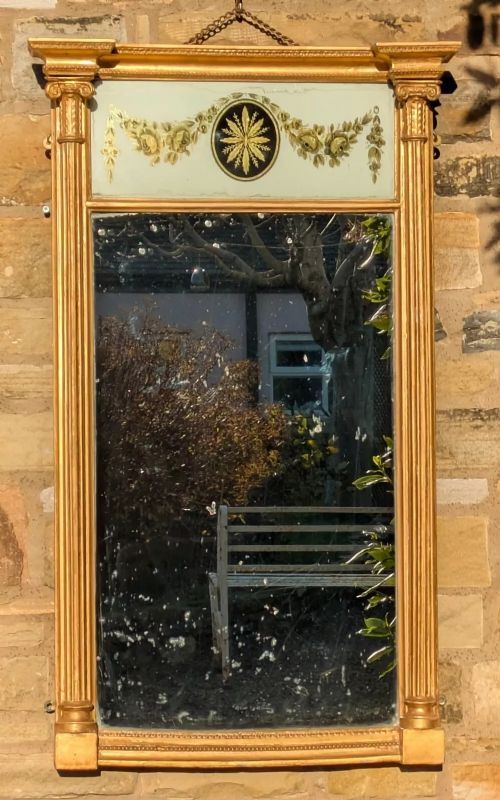
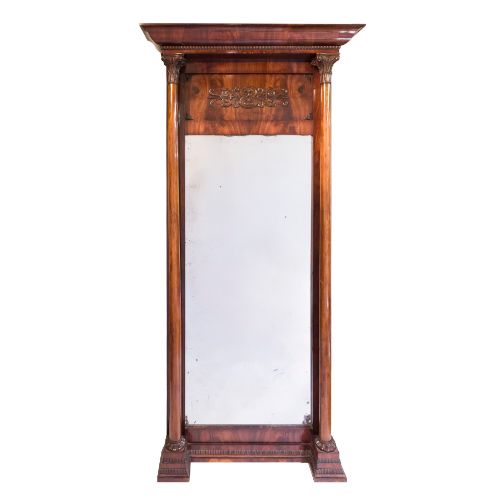
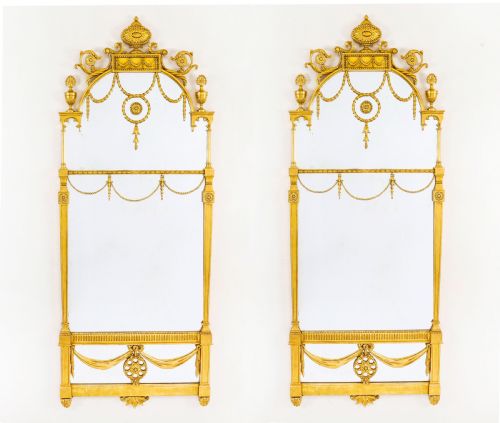
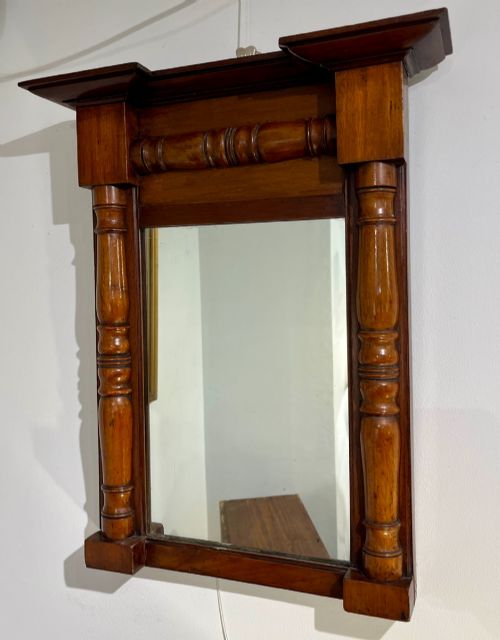
A classical pier glass is a tall wall mirror designed specifically to hang on the narrow wall space between windows. The listings on this page span the eighteenth and nineteenth centuries, taking in Regency, Georgian, Victorian, and Neoclassical styles.
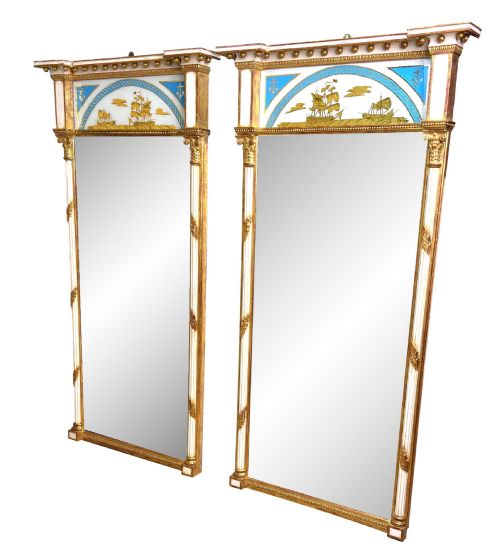
Most examples you will encounter here are executed in giltwood or mahogany, often retaining their original mirror plates and decorative glass panels. Forms range from compact wall-hanging mirrors to large overmantel pieces and console table combinations.
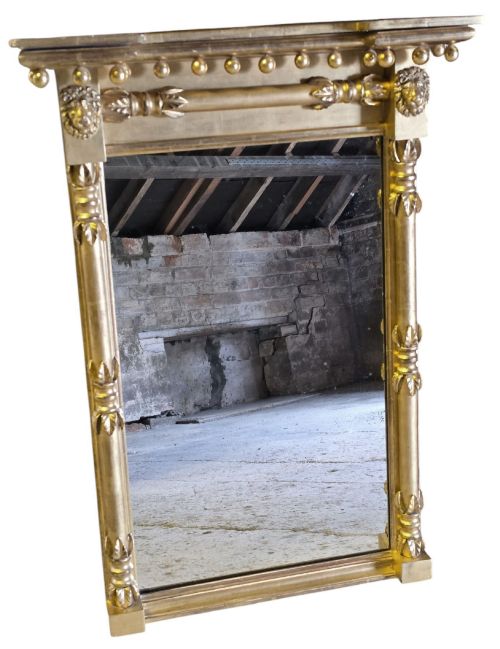
Origin variations include English, French, and Italian workshops, displaying regional preferences in ornamentation such as lion masks, acanthus leaves, and classical motifs. These mirrors served both a practical purpose for illumination and a grand decorative function in period interiors.
Materials and Construction
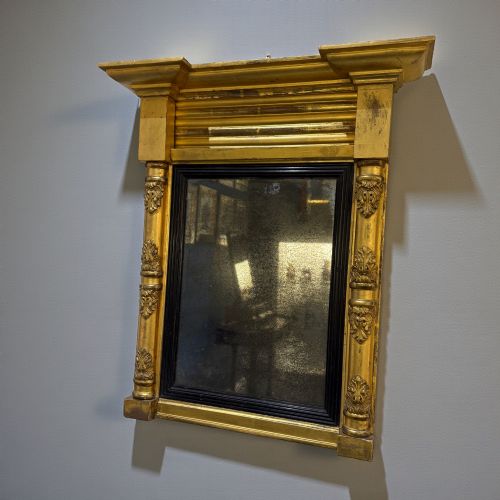
Carvers shaped frames primarily from timbers such as mahogany, birchwood, and walnut, or formed decorative mouldings using gesso and composition over a wooden base. Gilding was applied using gold leaf or water gilding techniques to achieve a bright, reflective surface.
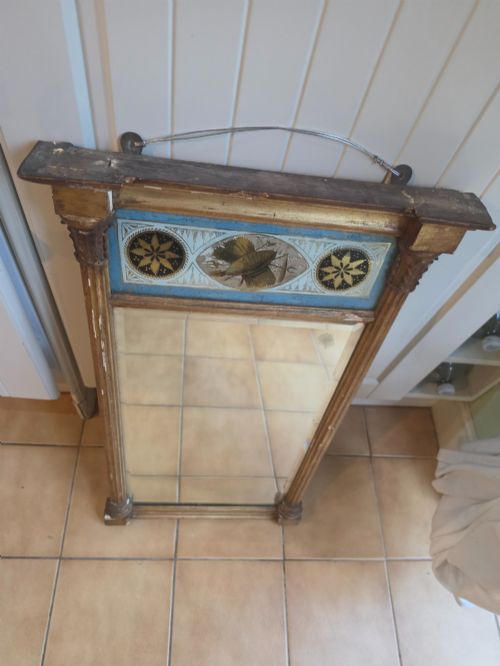
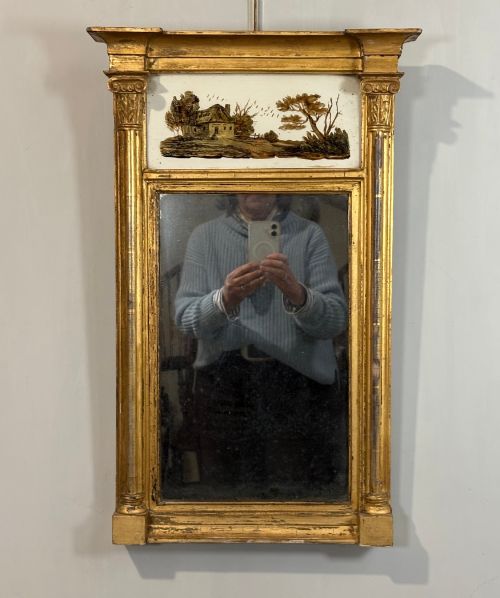
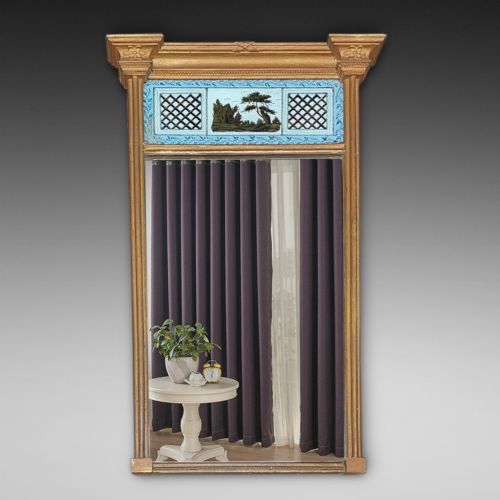
Many Regency and nineteenth-century pieces incorporate verre églomisé panels, where designs are painted and gilded on the reverse of the glass. Mirror glass itself was silvered using traditional methods, resulting in the gentle oxidation and depth seen in surviving original plates.
Classical Pier Glass Retail Price Guide 2026
Typical asking prices for classical pier glass among the pieces listed under this phrase on Sellingantiques today, from the lower quarter to the upper quarter. They describe what is for sale here now, not the wider market.
Distinctions in Quality
The sophistication of the carved ornament distinguishes finer examples, particularly where acanthus leaves, lion masks, or classical friezes are rendered with depth and sharp detail. Water-gilded surfaces display a finer warmth and interact with light differently than simpler painted or later gilt finishes.
Integrity of components also separates standard pieces from the best survivors, such as retaining the original mirror glass plate and undamaged verre églomisé sections. The crispness of the joinery in both mahogany and giltwood frames points to the skill of the original cabinetmaker.
The Classical Pier Glass Glossary
- Pier glass
- A tall mirror designed to hang on the wall space between two windows. It often stands above a low console table.
- Verre églomisé
- A process of cold painting and gilding on the reverse side of glass. This technique creates decorative friezes often found in the upper sections of Regency mirrors.
- Giltwood
- Timber carved and coated with gold leaf or metallic powder. It provides the characteristic bright finish seen on neoclassical and Regency frames.
- Gesso
- A plaster-like mixture applied to wood frames and smoothed for carving or gilding. Composition ornaments were frequently pressed into this layer.
- Trumeau
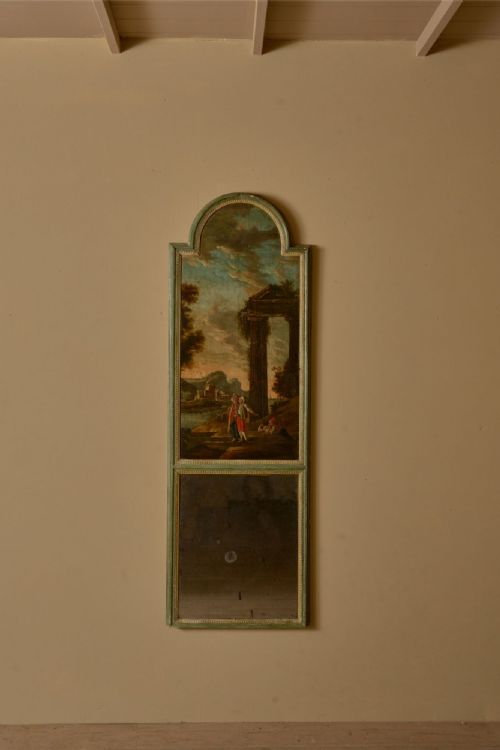
- A decorative wall mirror often paired with a panel or painting above. French examples frequently integrate this form with console tables.
Classical Pier Glass: Frequently Asked Questions
Where should I hang a pier glass?
These mirrors suit narrow wall spaces, traditionally positioned between two windows to amplify natural daylight in a room. They also function effectively above mantelpieces or console tables.
Ensure the wall construction supports the weight, particularly for larger giltwood and mahogany examples from the nineteenth century.
How do I date a pier glass?
Dating relies on combining the frame style, materials, and construction methods visible in the woodwork and glass. Regency and Georgian pieces often display distinct neoclassical motifs, carved acanthus leaves, or eglomisé panels.
Examining the backboards, fixings, and the characteristics of the mirror plate itself helps confirm the period of manufacture.
Are the mirror plates original?
Many surviving pieces retain their original mirror glass plates, which often show signs of age such as light foxing, minor spotting, and slight distortion. These characteristics indicate genuine period glass rather than modern replacements.
Replacement plates are cleaner and more uniform, lacking the depth and gentle imperfections of nineteenth-century glass.
How do I clean a giltwood frame?
Giltwood frames require gentle dusting with a soft, dry brush to prevent damage to the delicate gold leaf or gesso surface. Moisture and chemical cleaners should be avoided entirely.
Professional conservation is recommended for any deeper cleaning or stabilization of historic carved elements.