


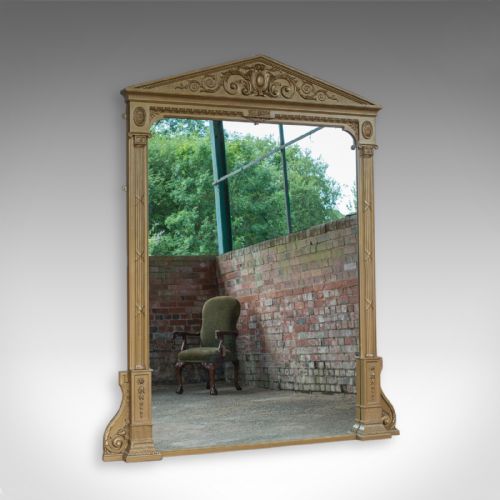


Classical Pediment Mirror
A classical pediment mirror brings architectural dignity to a room, offering grand proportion and balanced symmetry through time-honoured design.
Classical Pediment Mirror
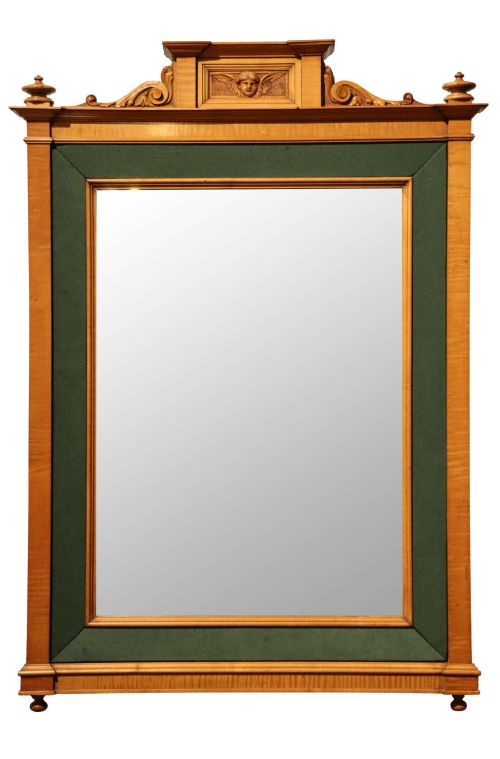
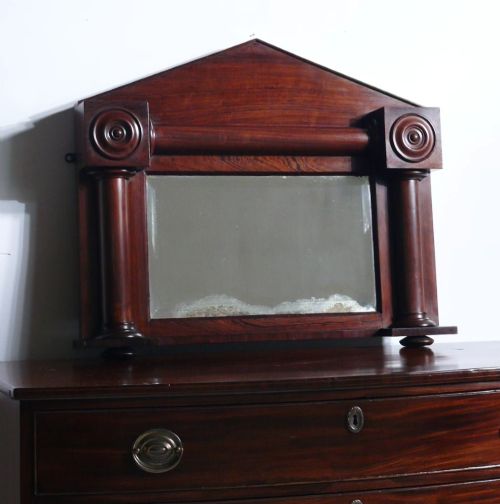
When you search for a classical pediment mirror, you enter a field defined by architectural forms and historic styling. These pieces draw directly on classical building motifs, framing glass with the triangular or segmental crests typical of ancient temples.
The versions you are most likely to meet on this page span the eighteenth, nineteenth, and early twentieth centuries. They appear across multiple styles, including Neoclassical, Victorian, Regency, and Biedermeier, with overmantel mirrors and wall mirrors dominating the selection.
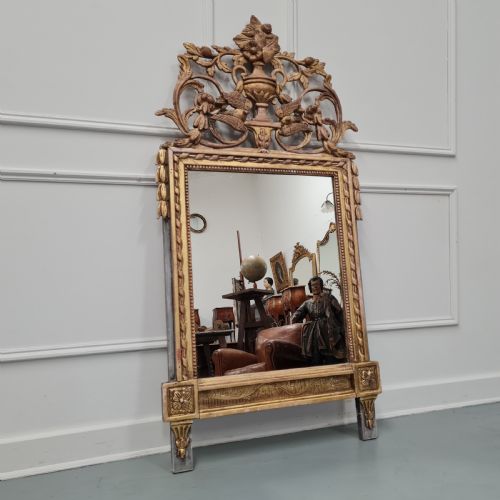
Makers shaped these frames in walnut, rosewood, birchwood, and mahogany, often applying gesso and giltwood to achieve a rich surface. Alongside traditional mirrors, the listings include related forms such as tabernacle frames and wardrobes showing similar architectural lineage.
How they were made
Woodworkers selected dense timbers like mahogany, rosewood, and walnut for the primary structure, providing a stable base capable of supporting heavy glass plates. Craftsmen then shaped these woods using traditional joinery methods suited to large wall fixtures and overmantels.
Surface ornamentation relied heavily on gesso applied over carved wood, which accepted intricate detailing and gilding. Artisans built up the pediments and decorative motifs by hand, creating the deep relief characteristic of nineteenth-century frames.
Some nineteenth-century mirrors spent their lives reflecting flickering candlelight before gas lamps and electric bulbs ever reached the room.
What varies in quality
Quality rests primarily on the depth and crispness of the hand-carved wood and gesso ornamentation. Finer examples display sharp architectural lines and well-proportioned pediments that command the eye without feeling heavy.
The choice of primary timber and the integrity of the original gilding also divide standard production from superior output. Patina on the wood and the condition of the glass plate further indicate how well a piece has survived the decades.
The Classical Pediment Mirror Glossary
- Pediment
- The triangular or curved architectural gable crowning the top of the mirror frame. It derives directly from classical temple architecture and gives these pieces their distinctive silhouette.
- Giltwood
- Wood that has been covered with a thin layer of gold leaf or metal powder over a prepared ground. This technique creates a luminous, reflective surface that catches the light in a room.
- Gesso
- A plaster-like mixture applied to wood frames to provide a smooth base for carving and gilding. It allows craftsmen to model intricate three-dimensional details before finishing.
- Overmantel Mirror
- A large horizontal mirror designed to hang specifically above a fireplace mantelpiece. These substantial pieces reflect light across the room and anchor the hearth visually.
- Biedermeier
- A nineteenth-century Central European style focused on utilitarian comfort and clean lines. Mirrors from this tradition emphasise natural wood grains over excessive ornamentation.
Classical Pediment Mirror: Frequently Asked Questions
How do I hang a heavy overmantel mirror?
These substantial frames require secure anchoring directly into structural wall studs using appropriate heavy-duty brackets. Professional installation is strongly recommended due to the combined weight of the timber and glass.
Ensure the hanging wire or fixing points are rated well above the actual weight of the piece. Distributing the load evenly prevents warping of the wooden frame over time.
What rooms suit a classical pediment mirror?
Living rooms and dining spaces benefit enormously from the architectural presence of these mirrors. Placing them above a fireplace or a sideboard creates a natural focal point.
Smaller hallways and bedrooms can also accommodate narrower wall mirror variants. They bounce natural light around compact spaces, making rooms feel larger and brighter.
How do I clean the historic gilt surface?
Dust the carved frame gently using a soft, dry artist's brush or a feather duster. Moisture and harsh cleaning agents can strip delicate gold leaf or damage aged gesso.
Keep glass cleaner away from the wooden edges to prevent staining. A microfiber cloth slightly dampened with distilled water works safely on the mirror plate alone.
How can I tell a nineteenth-century mirror from a modern reproduction?
Examine the reverse of the piece for hand-cut timber boards, period fixings, and natural oxidation on the mirror glass. Older frames often display minor inconsistencies that reveal hand craftsmanship rather than factory uniformity.
Check the construction of the pediment and joints for period-appropriate glues and nails. The weight and density of the wood also offer clues to the era of manufacture.