



Carved Detail Mirror
These carved detail mirror examples bring heavy nineteenth-century presence to a room, ranging from French gilt overmantels to solid oak frames.
Carved Detail Mirror
When you search for a carved detail mirror, you encounter wall mirrors and large overmantels spanning the nineteenth century. These pieces serve practical and decorative functions in domestic spaces, often anchoring a mantelpiece or a principal wall.
The selections on this page lean heavily toward nineteenth-century origins, featuring Victorian interpretations alongside French styles. You find substantial timber frames alongside giltwood and gesso pieces designed to catch the light.
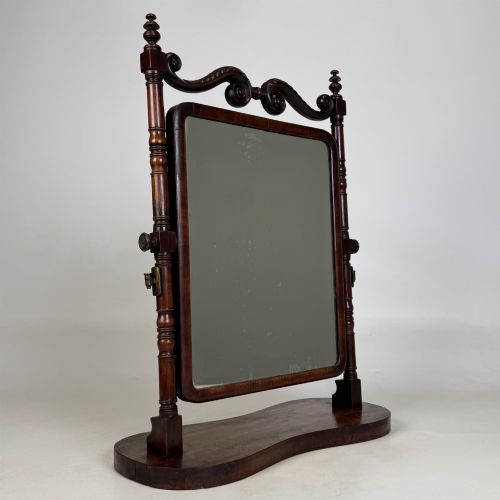
Forms vary from grand overmantels to dressing table toilet mirrors and hanging wall options. Certain examples incorporate specific motifs like flowers, squirrels, or the Ho Ho bird within their carved wooden borders.
How they were made
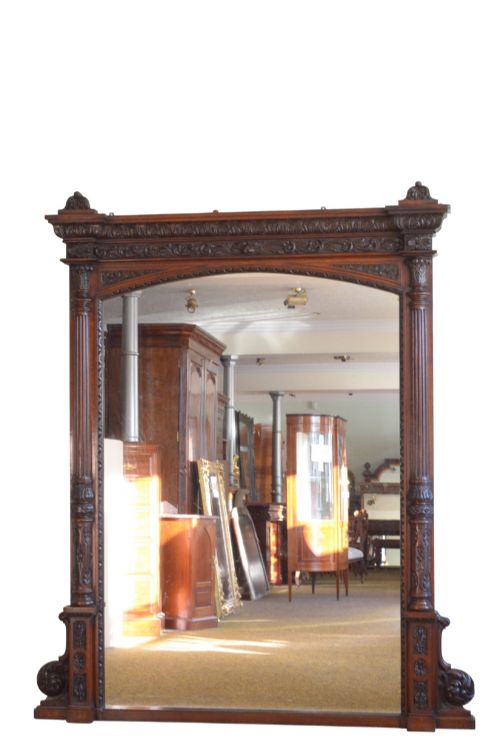
Wood provides the structural base for these frames, utilising solid oak, walnut, pine, and mahogany. Skilled hands shaped these timbers through traditional carving methods before applying subsequent surface treatments.
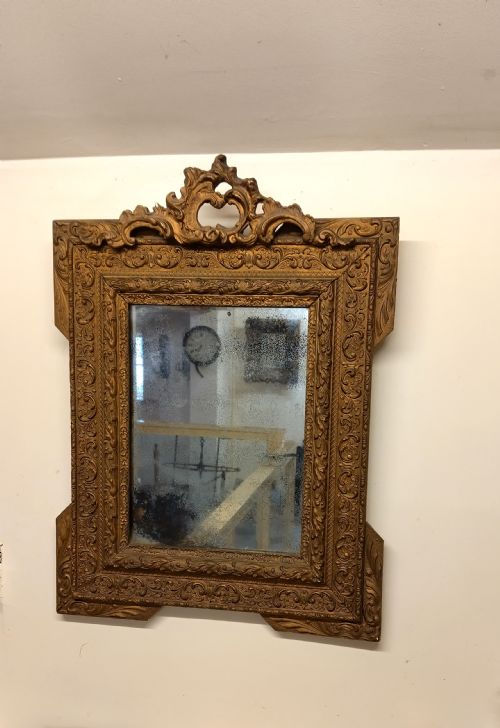
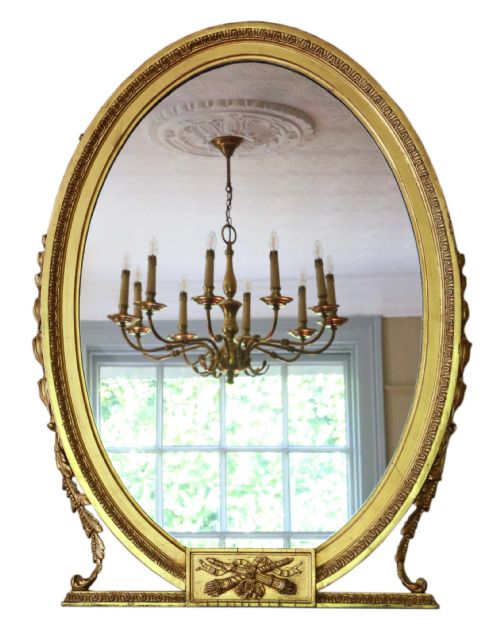
Gesso and giltwood appear frequently, where plaster compositions receive gold leaf or paint finishes to create ornate decorative schemes. Brass elements also feature, appearing as inlaid details or pierced edges on specific regional pieces.
Materials across these listings include solid oak, walnut, pine, mahogany, brass, gesso, and giltwood applied to nineteenth-century forms.
What varies in quality
Depth and crispness separate the standard examples from the exceptional ones. Deeply undercut carving demonstrates superior hand skill compared to shallow, machine-milled surface decoration.
The integrity of the frame construction and the survival of original materials determine the standing of a piece. Original glass and untouched gilt or painted surfaces hold greater authenticity than later replacements.
The Carved Detail Mirror Glossary
- Gesso
- A plaster-like mixture applied to wood frames to provide a smooth base for gilding or painting. It allows intricate relief ornament to be moulded or carved before finishing.
- Giltwood
- Timber that has been coated with gold leaf or gold paint. This material defines many formal nineteenth-century wall and overmantel mirrors.
- Overmantel mirror
- A large mirror specifically designed to hang above a fireplace mantel. These pieces often feature extended horizontal proportions.
- Vitruvian scroll
- A decorative band of running scroll ornaments resembling scrolling waves. This pattern appears frequently on classical and revival frames.
- Tryptic
- A mirror divided into three distinct panels, often seen in grand overmantel formats. The central glass is typically flanked by two matching side sections.
Carved Detail Mirror: Frequently Asked Questions
Where should I hang a large overmantel mirror?
These large frames traditionally sit directly above a fireplace mantel to reflect light and anchor the room's proportions. They also function effectively on principal living room walls when secured adequately to wall studs.
Because nineteenth-century frames carry substantial weight from timber and gesso, professional wall fixings are essential for safe mounting. Ensure the chosen wall can support the heavy downward pull of the piece.
How do I care for nineteenth-century giltwood frames?
Dust giltwood surfaces gently with a soft, dry brush to prevent accumulation without disturbing the delicate gold leaf. Avoid liquid cleaners and modern chemicals, which strip the historical finish.
Keep these mirrors away from direct sunlight and damp environments to protect the underlying gesso and wood from cracking or warping.
What defines a Victorian Gothic Revival mirror?
Victorian Gothic Revival pieces draw inspiration from medieval architecture, utilising pointed arches, heavy oak timbers, and ecclesiastical motifs. These frames prioritize robust construction and solemn decorative elements.
They stand apart from lighter French Rococo styles through their darker wood tones and structural mass.
Are these mirrors fitted with original glass?
Some pieces retain their original mirror plates, which often display slight foxing, minor pitting, or soft reflections developed over time. Other examples have received new glass to provide a clearer reflection.
Descriptions clarify whether the glass plate is original to the frame or a later replacement.