
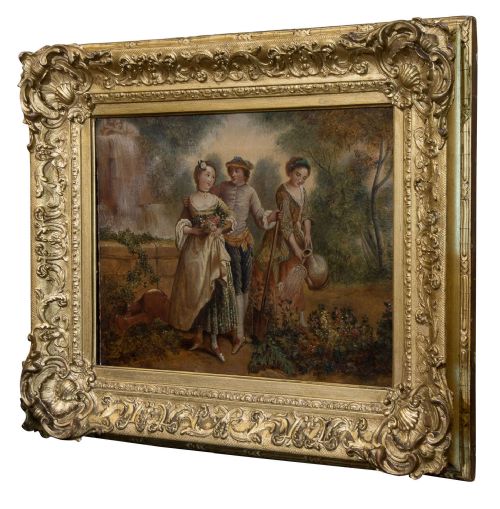

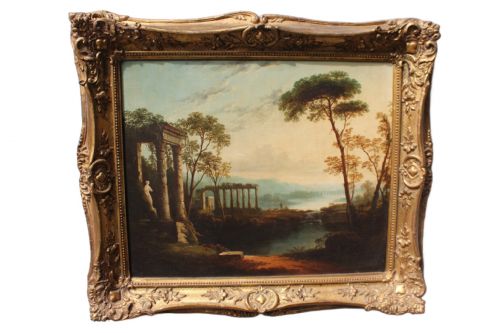


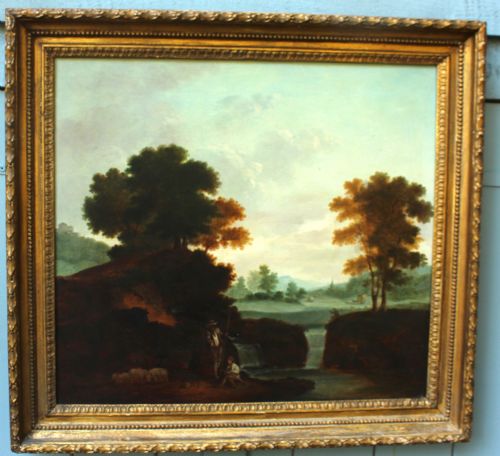

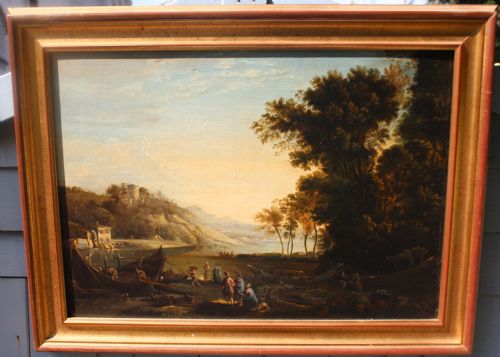


Classical Pastoral Scene Painting
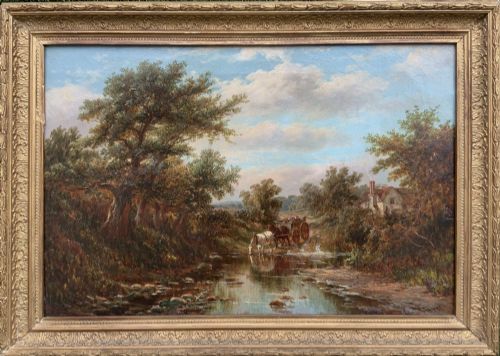
A classical pastoral scene painting brings rural idylls and antique mythology into your room through oil on canvas.
Classical Pastoral Scene Painting
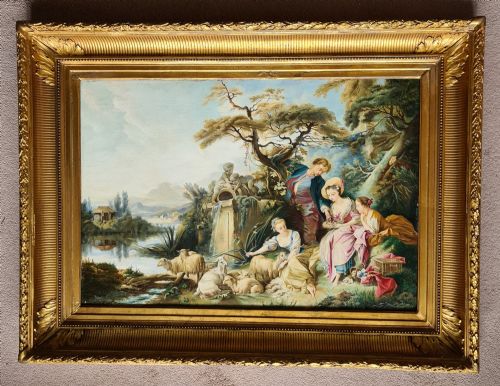
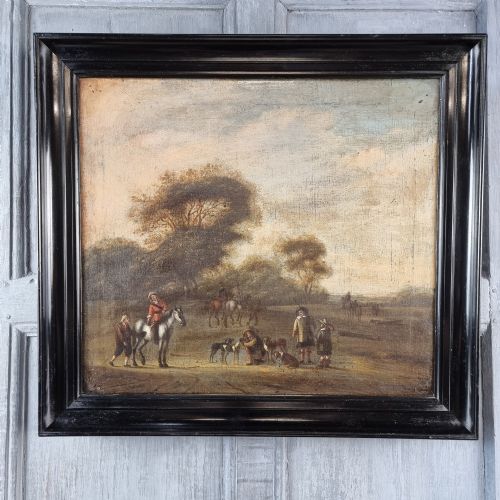
A classical pastoral scene painting presents idyllic rural landscapes, shepherd gatherings, and mythological figures set against distant villas and rivers. You encounter works spanning from the late seventeenth century through the nineteenth century, including interpretations after artists such as Francois Boucher and Jean-Baptiste Joseph Pater.
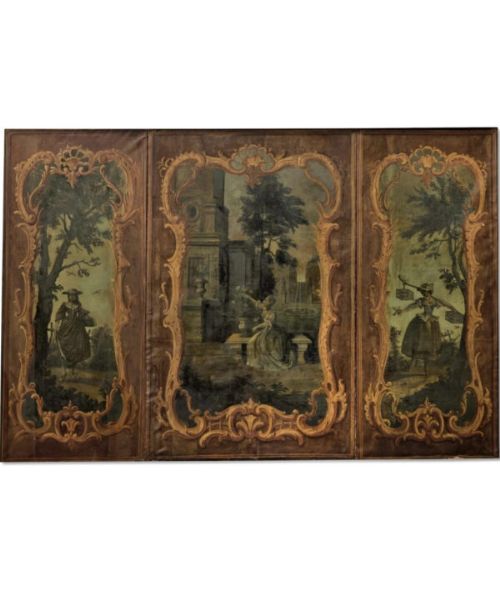
The pieces on this page take the form of framed oil paintings and wall art, executed on canvas with wooden supports. They range from grand multi-panel works and triptychs down to intimate country house cabinet paintings.
Many works adopt specific regional idioms, such as Italianate classical landscapes or French Rococo revivals. These paintings capture an idealized rustic life that held enduring appeal for collectors across multiple eras.
How they were made
These works are executed in oil paint on canvas, utilising traditional brushwork to build up pastoral figures, foliage, and luminous skies. Canvases are stretched over wooden frames and often housed in ornate gesso and gold leaf giltwood frames.
Techniques vary from grand polychrome compositions to monochromatic grisaille treatments. Artists employed both direct observation and stylistic emulation of earlier masters to achieve their pastoral effects.
Listings feature oil paintings spanning from the seventeenth century through the twentieth century, utilising canvas, gesso, and gilt wood.
What varies in quality
Quality rests in the fluidity of the brushwork and the convincing depth of the landscape composition. Superior canvases display confident handling of light across figures and architectural elements.
The integration of the artwork with its period frame also influences the overall standard of the piece. Finer works maintain strong compositional balance and expressive detail in the pastoral figures.
Francois Boucher·Jean-Baptiste Joseph Pater·Andre de Moller·Pierre Emmanuel Dielmans·Augustus Jules Bouvier·Richard Wilson·Thomas Jones
The Classical Pastoral Scene Painting Glossary
- Oil on Canvas
- Pigments suspended in a drying oil medium applied to a woven fabric support. This primary medium allows for rich colour blending and lasting durability.
- Giltwood
- Wood carved and coated with gold leaf or metal powder. It provides the ornate framing typical of many classical paintings.
- Grisaille
- A painting executed entirely in shades of grey or neutral monochrome. This technique often mimics the appearance of relief sculpture.
- Rococo
- An ornate artistic style characterised by asymmetry, pastel hues, and playful secular themes. It heavily influences many pastoral depictions.
Classical Pastoral Scene Painting: Frequently Asked Questions
How do I hang a large oil painting safely?
Ensure your wall fixings match the weight of the canvas and its heavy giltwood frame. Hang the piece away from direct sunlight and fluctuating heat sources to protect the oil paint.
Use two stable fixing points rather than a single wire for secure alignment. Check the stability of the canvas tension periodically.
What is the difference between an original and an after work?
An original painting is conceived and executed entirely by the named artist. An after work is a later artist's study or reproduction of a known master's composition.
Both forms hold historical interest and value depending on their execution quality. Evidence in the title usually denotes whether a piece follows a specific master.
How can I tell the period of a landscape painting?
Examine the canvas preparation, stretcher construction, and framing materials for period indicators. Pigment analysis and stylistic conventions also point towards seventeenth, eighteenth, or nineteenth-century execution.
Comparing the handling of light and costume details helps narrow down the era. Documentation or signatures further clarify the date of creation.