
Classical Oil Painting Artwork
Classical oil painting artwork brings historical narrative, portraiture and still life into interiors through centuries-old traditions of canvas and pigment.
Classical Oil Painting Artwork
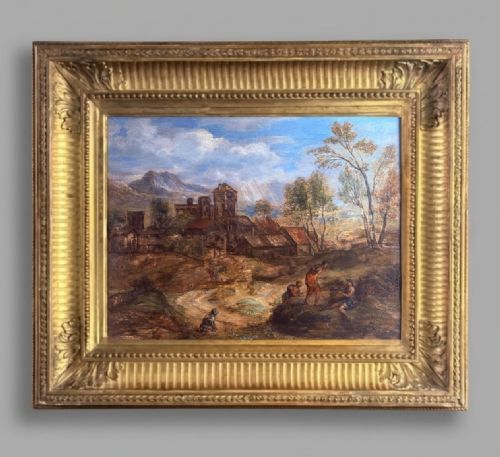
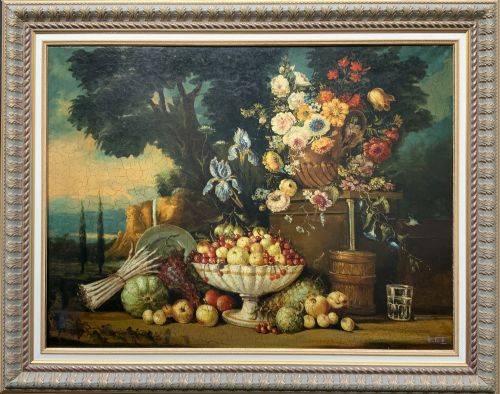
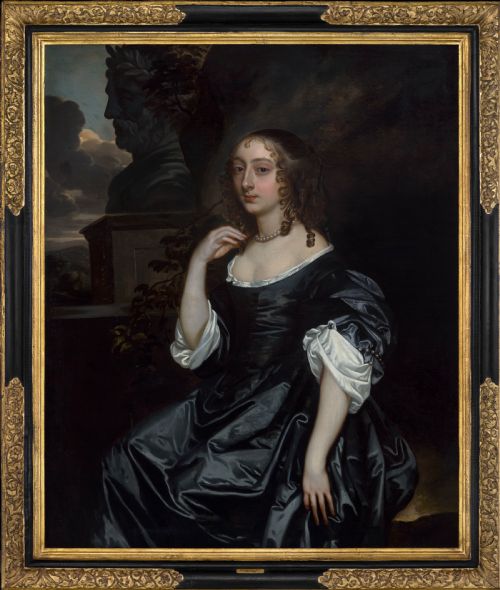
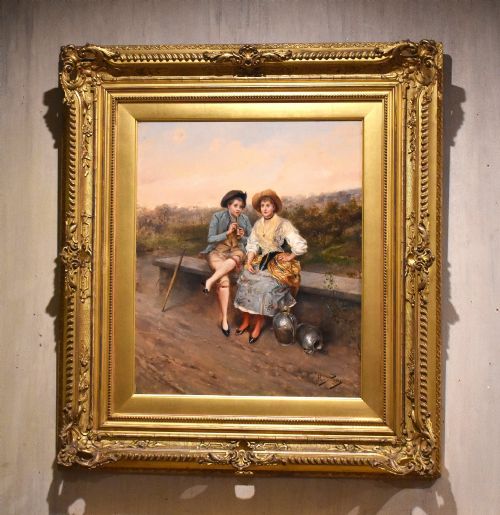
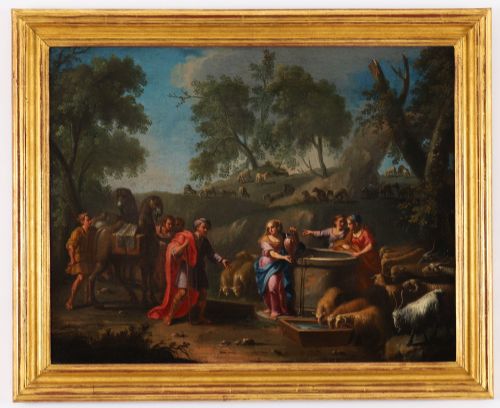
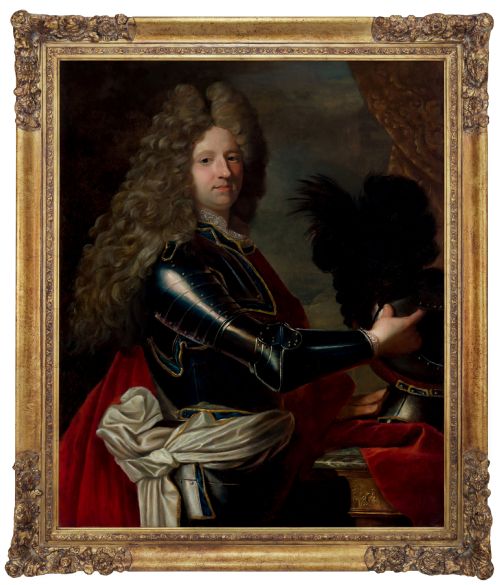
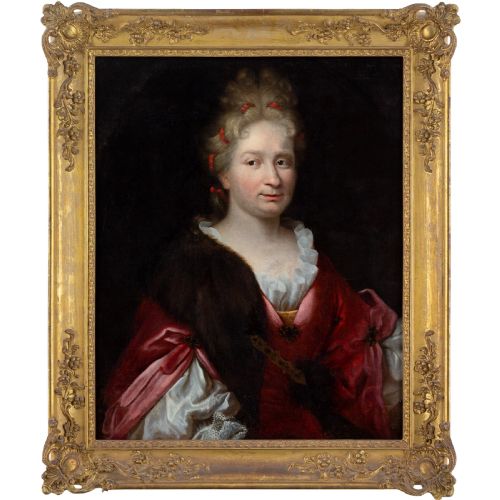
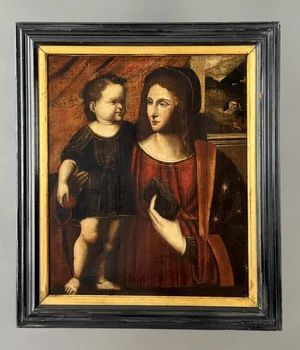
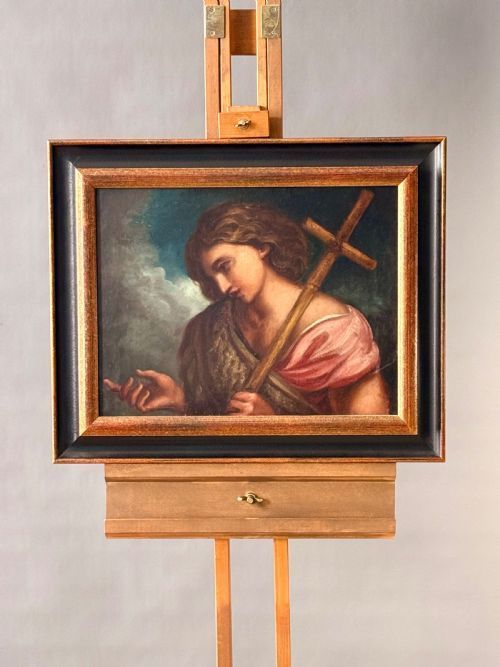
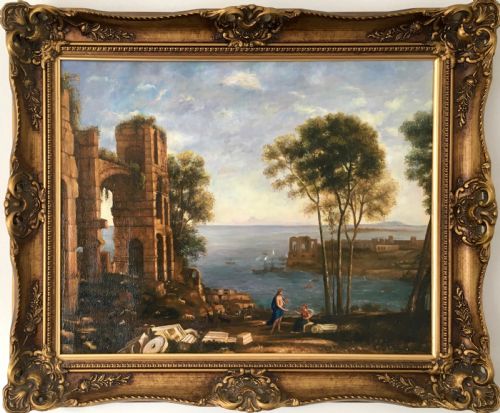
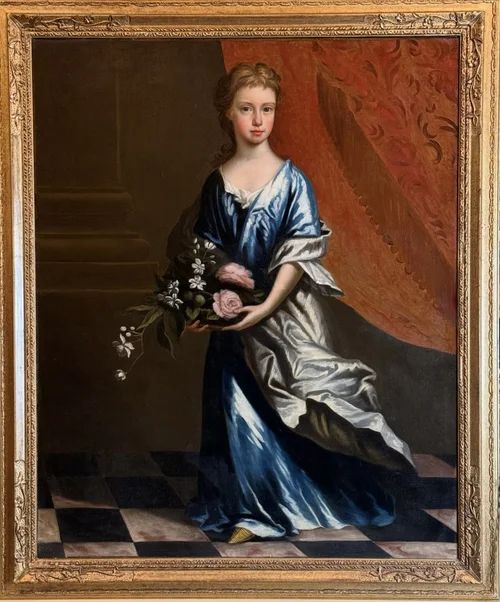
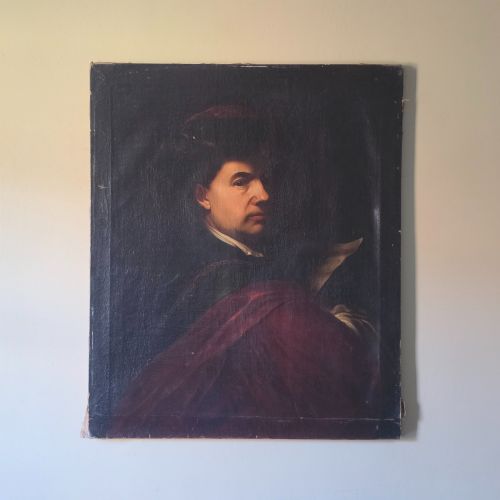
Classical oil painting artwork encompasses centuries of fine art production, ranging from original seventeenth-century portraits to later interpretations after master painters. Collectors searching this phrase encounter oil on canvas and wood panel formats originating from diverse European schools, including Dutch, French, and Italian traditions.
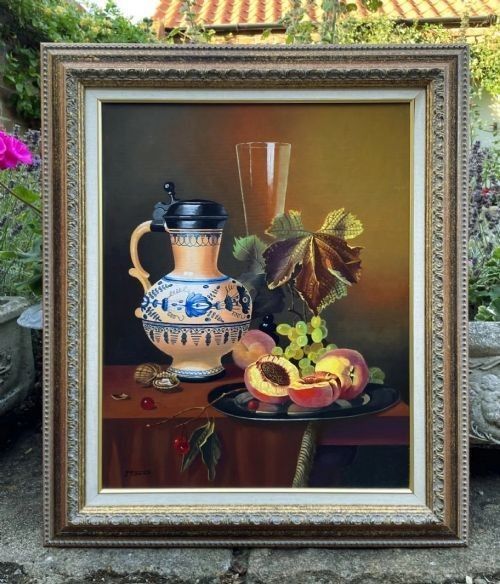
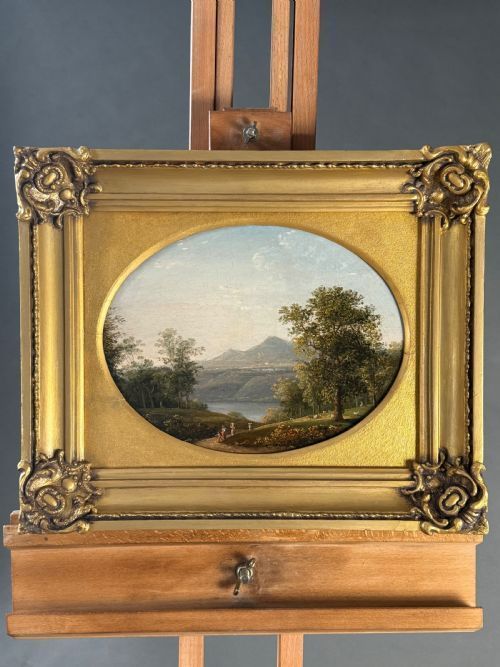
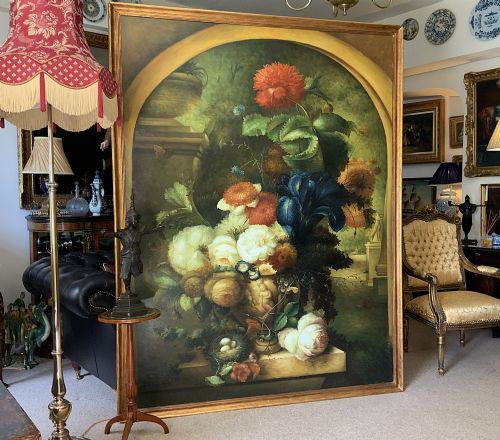
The subjects on this page stretch from mythological narratives and grand tour landscapes to floral still lifes and direct portraiture. Works span from the sixteenth century through the nineteenth century, alongside later twentieth-century pieces produced in historical styles.
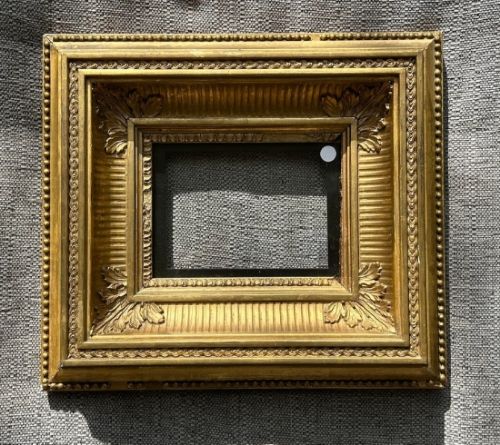
The physical presentation often involves heavy framing materials, pairing oil paint surfaces with giltwood, gesso, and gold leaf surrounds. These objects function simultaneously as historical records and decorative wall art for domestic spaces.
Materials and methods of execution
Makers applied oil paint layers onto prepared canvas supports or wooden panels, building up composition, depth, and shadow through successive applications of pigment. This medium allowed artists to achieve subtle tonal gradations and rich colour harmonies that endure across centuries.
Frames matched the ambition of the canvas, utilising carved wood, gesso mouldings, and applied gold leaf to create ornate architectural borders. These giltwood surrounds were frequently constructed specifically to complement the palette and period of the central painting.
Listings span periods from the sixteenth century to the mid-twentieth century, utilising oil on canvas and wood panel.
Distinctions in quality and execution
The hierarchy among these paintings rests upon the directness of the hand, distinguishing primary works by named historical painters from studio copies and later interpretations after established masters. Handling of anatomy, light, and perspective reveals the depth of training behind each brushstroke.
Charles Antoine Coypel·Sir Peter Lely·Angelo Maria Crivelli·Francois Boucher·Pieter Borsseler·Sir Joshua Reynolds·Bartholomeus van der Helst·Robert Byng·Jacob Philipp Hackert·Bernardino Luini·John Opie·William Jones of Bath
The Classical Oil Painting Artwork Glossary
- Oil on Canvas
- A painting medium where pigments bound in drying oil are applied to stretched fabric. This combination provides flexibility and durability for large-scale compositions.
- Giltwood
- Wood that has been coated with a thin layer of gold leaf or powder. It provides a luminous, reflective border common in period frames.
- Gesso
- A paint mixture consisting of a binder mixed with chalk, gypsum, or pigment. It serves as a smooth base layer on panels and picture frames before gilding.
- Dutch Golden Age
- A period in Dutch history spanning the seventeenth century marked by flourishing trade, science, and fine art. Painters of this era produced notable landscapes and still lifes.
- Grand Tour
- A traditional trip through Europe undertaken by upper-class European young men of sufficient means. Paintings from this context record classical architecture and Italian landscapes.
Classical Oil Painting Artwork: Frequently Asked Questions
How do I hang a heavy framed oil painting?
Secure heavy canvas works directly into wall studs using appropriate steel fixings and multi-point hanging wire. Ensure the weight of the giltwood frame is evenly distributed.
Position the painting at eye level away from direct sunlight and heat sources to protect the canvas and paint layers from environmental stress.
Are these paintings original or copies?
The listings include both original period works by named painters and historical copies executed after famous masters. Examining the brushwork and canvas age helps determine the context of production.
Documentation and stylistic analysis reveal whether a piece is a primary studio creation or a later tribute by another hand.
How do I clean an antique oil painting?
Dust surfaces gently with a soft, dry brush without applying pressure to the paint layer. Avoid using water or chemical solvents on aged canvases.
Professional conservators should handle varnish removal and deeper cleaning to prevent accidental damage to the original pigment.
What lighting suits classical art best?
Utilise balanced picture lights equipped with UV-filtered LED bulbs mounted above the frame. This highlights the detail in the oil paint without generating damaging heat.
Position ambient room lighting to minimise glare on glossy varnish layers and giltwood surfaces.