




Classical Mythological Painting
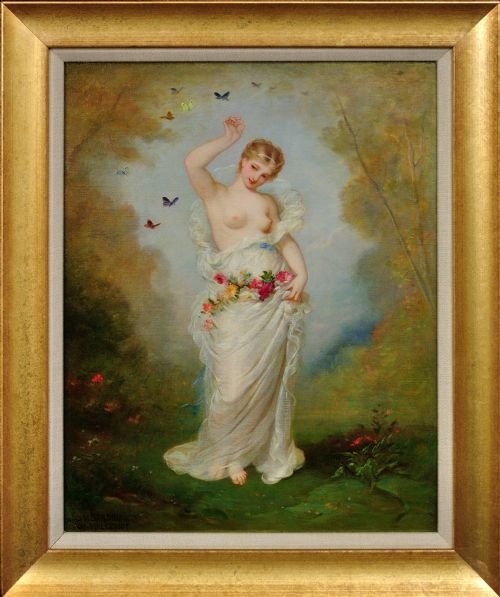
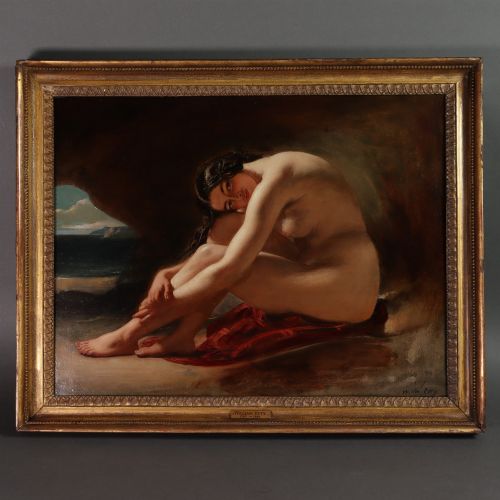
Classical mythological painting brings narratives of gods, nymphs and heroes into tangible form through centuries of European artistry.
Classical Mythological Painting
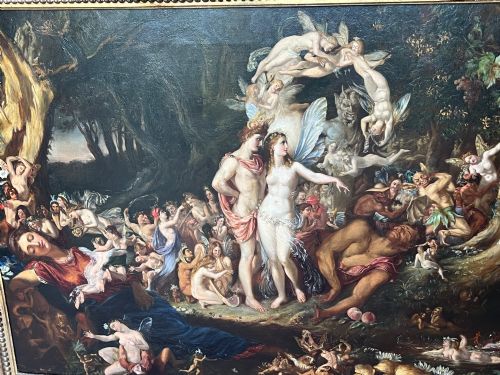
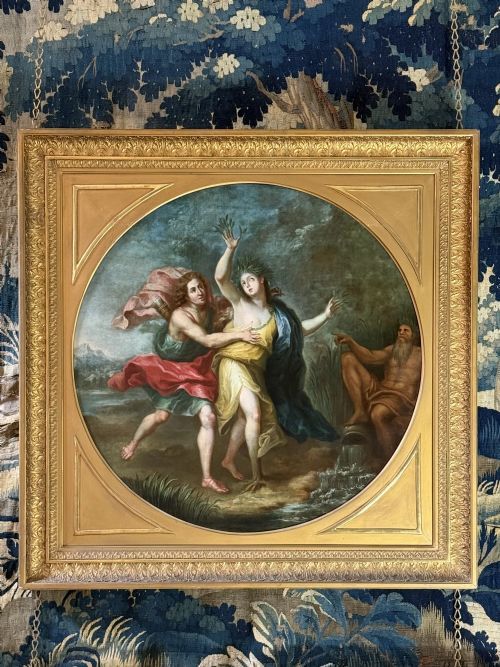
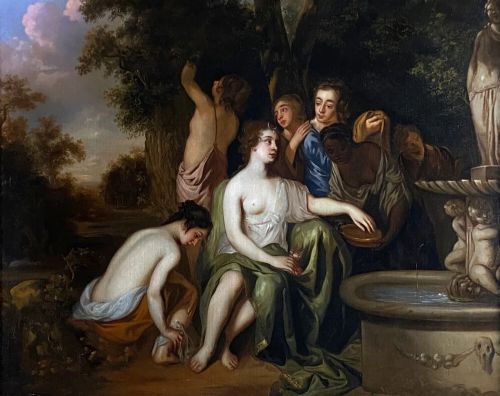
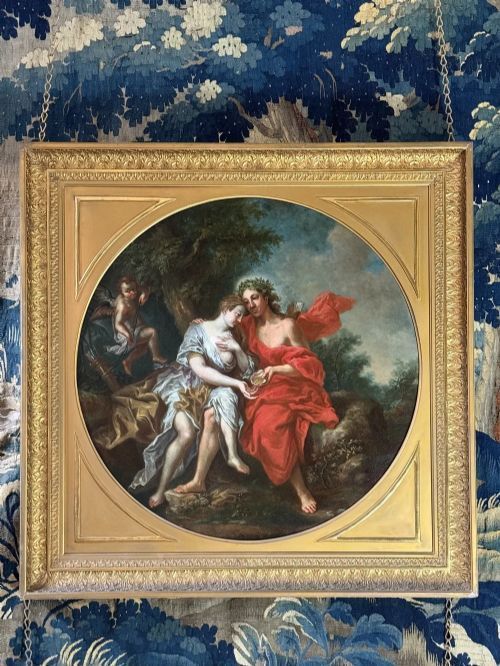
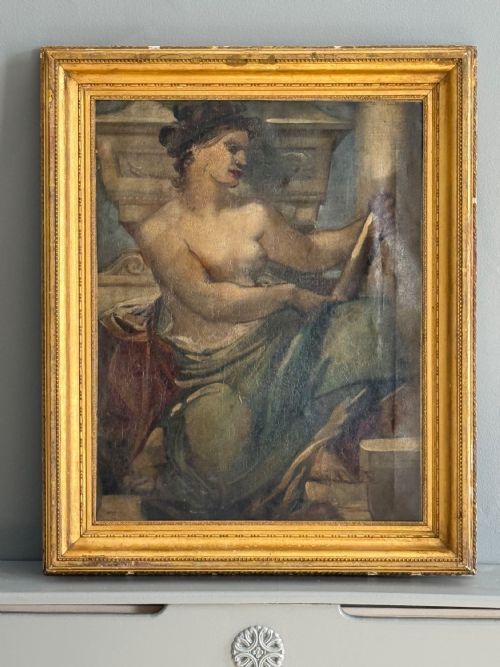
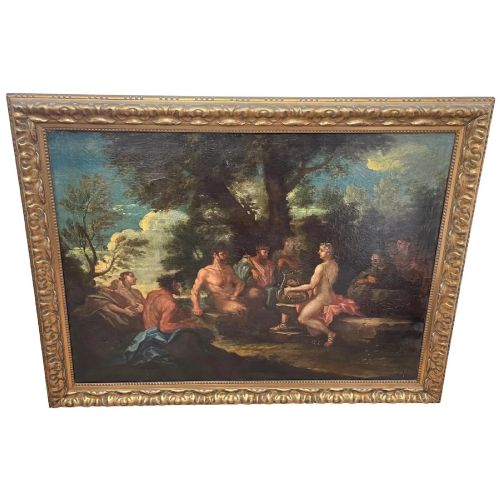
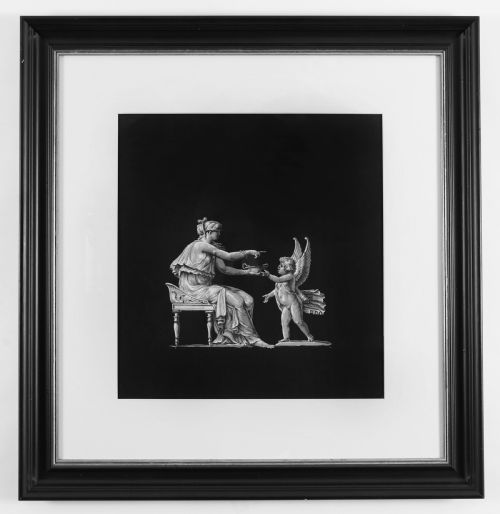
A classical mythological painting captures ancient narratives derived from Greek and Roman legends, ranging from intimate depictions of Venus and Cupid to grand scenes involving Apollo and Daphne. These works appear primarily as oil paintings on canvas or panel, alongside watercolours and gouaches created across the seventeenth, eighteenth and nineteenth centuries.
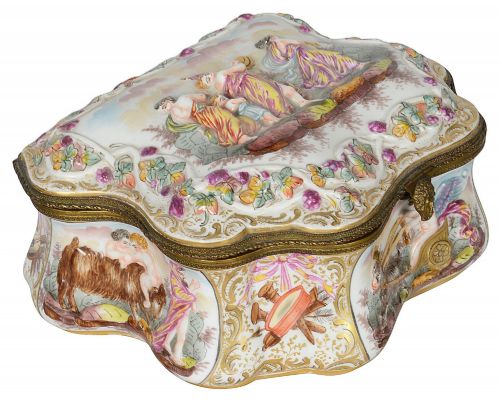
Beyond flat works on canvas, this category extends to three-dimensional decorative arts that utilise the same mythological vocabulary. Buyers will encounter porcelain chargers, lidded vases, cabinets, caskets and figural groups depicting deities such as Jupiter, Juno, Bacchus and Mars produced by notable European factories.
The objects stem from various continental and British schools, reflecting movements from Italian Baroque and French Rococo to Neoclassical Revival and Victorian academic styles. This variety allows collectors to select either large-scale framed canvases for wall display or smaller porcelain vessels adorned with hand-painted mythological vignettes.
How they were made
Painters built their compositions using oil on canvas or wood panel, applying pigments in layered glazes to achieve depth in figures and landscapes. Works on paper rely on watercolour or gouache techniques to render fine details in miniature scenes.
Porcelain pieces such as chargers, urns and caskets were thrown or moulded in clay bodies, then fired before receiving hand-painted enamels and gilding. Artisans often incorporated gold leaf and ormolu mounts to frame or elevate the ceramic bodies.
Materials recorded across the inventory include oil paint, porcelain, enamel, gold leaf, canvas, wood and giltwood.
What varies in quality
In porcelain objects, the precision of the hand-painted enamel work and the richness of the cobalt blue grounds and gilding define the grade of the piece. Painted scenes executed with fine brushwork on heavy, well-modelled porcelain bodies represent the higher end of production.
Sir Joseph Noel Paton·Charles-Antoine Coypel·Sir Peter Lely·Margaret Maitland Howard·Antoine Calbet·William Etty·Cornelis Van Poelenburgh·Jean Baptiste Isabey·Royal Crown Derby·Royal Vienna·William Edward Frost·Peter Paul Rubens·Francesco Albani·Capodimonte·Sevres
The Classical Mythological Painting Glossary
- Neoclassical
- A style originating in the mid-eighteenth century inspired by the art and culture of classical antiquity. It prioritises restraint, clarity of form and heroic subjects.
- Gouache
- An opaque water-based medium that uses a gum binder and added white pigment to create solid, matte passages of colour. It allows for precise miniature detail in works on paper.
- Ormolu
- Gilded bronze mounts used decoratively on furniture, clocks and porcelain vessels. The technique involves applying a mercury and gold amalgam to shaped bronze before firing.
- Giltwood
- Wood that has been coated with a thin layer of gold leaf or gold dust. It is commonly found on the frames surrounding classical oil paintings.
- Enamel
- A decorative glassy substance fused to metal or porcelain through high-temperature firing. It provides durable, brilliant colours for painted scenes on ceramics.
Classical Mythological Painting: Frequently Asked Questions
What subjects appear most frequently?
The most common subjects draw from classical Greek and Roman literature, featuring deities and figures such as Venus, Cupid, Apollo, Daphne, Bacchus and Ariadne. Painters and porcelain decorators frequently selected dramatic episodes like the bath of Diana or the judgement of figures from antiquity.
These narratives offered artists an excuse to portray the human form in dynamic or tender compositions, whether within a sweeping landscape or an intimate interior setting.
How do I identify the period?
Dating relies on stylistic clues, the medium used and factory marks on the underside of ceramics. Seventeenth- and eighteenth-century canvases typically display darker grounds and Baroque or Rococo compositions, whereas nineteenth-century works often reflect academic realism or revival movements.
Porcelain items frequently carry blue beehive or shield marks associated with Vienna and other continental factories, alongside hand-written titles or signatures in the enamel.
Are these works by famous artists?
Some pieces originate from well-known masters or their direct circles, while others stem from continental schools or later followers working in specific historical styles. Signatures, inscriptions on the reverse of canvases or panels, and established attribution records help clarify authorship.
Many decorative porcelain pieces and cabinet plates were painted by skilled anonymous studio hands working in the manner of major artists rather than the masters themselves.
How should I display them at home?
Framed oil paintings require stable environmental conditions away from direct sunlight and excessive humidity to protect the canvas and traditional giltwood frames. Porcelain chargers, urns and caskets are best placed securely on sturdy furniture or within cabinets where they remain safe from accidental knocks.
Because these pieces feature strong narrative and colour, they function well as focal points in traditional rooms, paired with antique furnishings that complement their historical period.