





Classical Mahogany Server
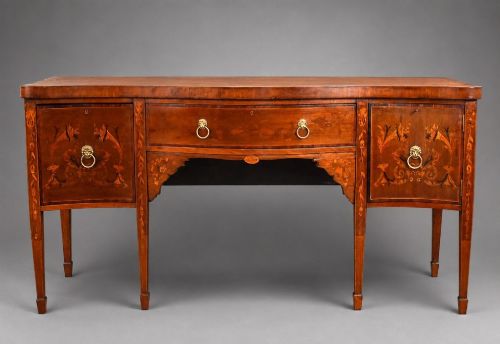
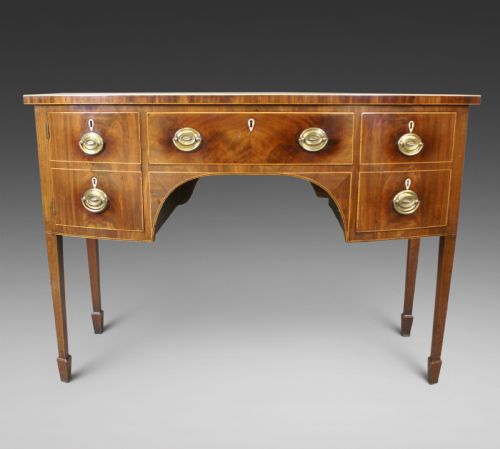
A classical mahogany server stands as the centrepiece of a grand dining room, offering both generous storage and striking architectural proportion.
Classical Mahogany Server
When buyers search for a classical mahogany server, they encounter robust formal dining furniture designed to hold silver, linen, and glassware. These large serving tables, sideboards, and console tables anchor formal interiors through their commanding presence.
The selections span the Georgian, Regency, and Edwardian eras, with nineteenth-century pieces heavily represented. Sideboards with pedestals and drop wells appear frequently alongside architectural serving tables.
Origins stretch across English and Irish workshops, showing both refined domestic cabinet-making and grand neo-classical design. Buyers choose these forms to bring substantial historic utility and rich timber grain into a modern dining space.
Materials and construction
Makers utilised solid timber and carefully cut flame mahogany veneer to achieve rich, figured surfaces across large drawer fronts and pedestals. This choice of primary wood provides deep reddish-brown tones that darken gracefully over time.
Decorative contrast comes from boxwood and satinwood inlay, alongside delicate marquetry patterns set into the mahogany ground. Parcel gilt highlights and hand-carved details further elevate the architectural profiles of these serving tables.
Classical Mahogany Server Retail Price Guide 2026
Typical asking prices for classical mahogany server among the pieces listed under this phrase on Sellingantiques today, from the lower quarter to the upper quarter. They describe what is for sale here now, not the wider market.
Listings feature four distinct eras: Georgian, Regency, Edwardian, and the broader nineteenth century.
Judging quality in classical servers
Quality rests upon the choice of timber and the precision of the cabinet-maker in matching wood grains across large surfaces. Flame mahogany veneers with striking natural figures signal superior craftsmanship compared to plain timber boards.
The sophistication of the design dictates value, from simple geometric boxwood stringing to elaborate neo-classical carved ornament and attributed Irish Regency forms. Execution of hand-carved elements and quality brass hardware separate standard utility pieces from masterworks.
Mack Williams And Gibton·Freeman
The Classical Mahogany Server Glossary
- Pedestal sideboard
- A large dining room base featuring two separate pedestals flanking a central section, often fitted with drawers or cupboards. This form became dominant during the Regency period.
- Drop well
- A lowered central section within the top surface or apron of a sideboard, designed to accommodate large serving platters. It creates a distinctive curved profile.
- Serpentine
- A gently undulating front line that curves outward at the centre and inward towards the corners. This shape requires advanced woodworking skill to execute properly.
- Marquetry inlay
- Decorative patterns formed by fitting contrasting pieces of wood veneer into a prepared ground. It creates pictorial or geometric ornament across drawer fronts.
Classical Mahogany Server: Frequently Asked Questions
What is a classical mahogany server used for?
These large tables and sideboards served as practical staging areas for food, wine, and silverware during formal Victorian and Georgian dining. They kept heavy dining equipment close at hand while displaying the host's wealth through fine timber.
Today, buyers use them in dining rooms or large hallways for storage and display, utilising the deep drawers for linens and flatware.
How do I date a mahogany server?
Dating relies on observing the prevailing style and construction methods, such as the neo-classical details of the Regency era or the revival forms of the Edwardian period. The use of flame mahogany veneer and specific inlay materials like boxwood also helps narrow the decade.
Examining secondary timbers inside the drawers provides further evidence of the period in which the piece was constructed.
Are these servers English or Irish?
Many pieces originate from English workshops, reflecting London taste and the influence of designers like George Hepplewhite. Irish examples also appear, often showing bolder architectural carving and distinct regional proportions.
Attributions sometimes link specific servers to prominent cabinet-makers or documented workshop designs from Dublin and London.
How do I care for antique mahogany?
Protect the timber by keeping the server away from direct heat sources and strong sunlight, which can dry out the wood and fade the rich polish. Regular dusting with a soft, dry cloth preserves the natural lustre of the French polish.
Applying occasional appropriate wax feeds the antique wood and maintains the depth of the flame mahogany grain.