


Classical Italian Portrait Art
Classical italian portrait art captures centuries of likenesses and devotional figures, offering collectors historic depth and enduring visual presence in oil, marble and bronze.
Classical Italian Portrait Art
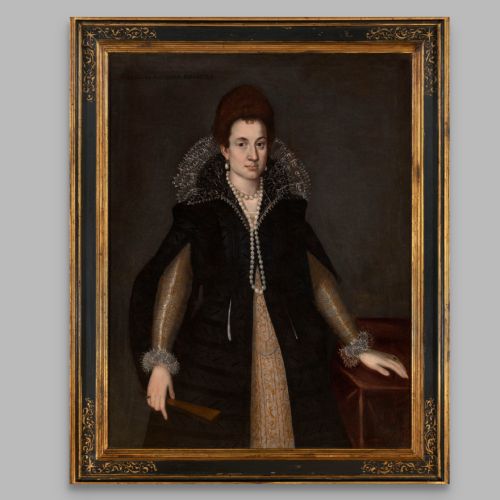
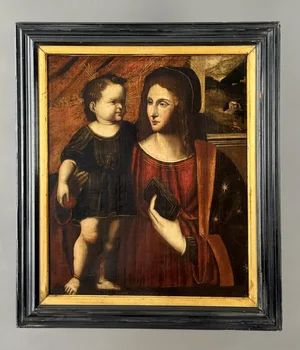
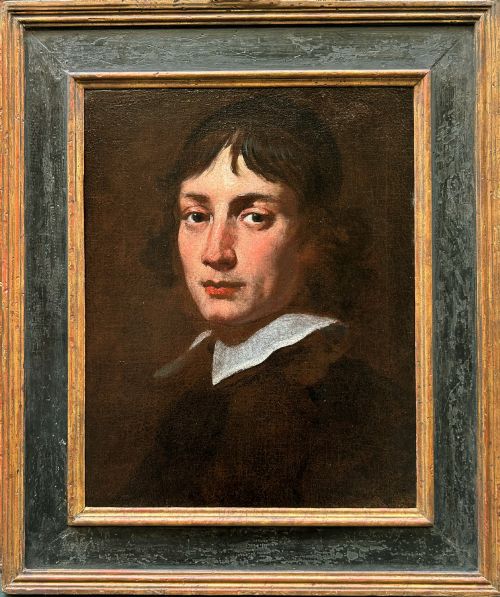
Classical italian portrait art encompasses oil paintings, pastels, drawings, and sculptural wall plaques that reflect centuries of European artistic heritage. When exploring this category, buyers encounter works ranging from sixteenth-century devotional subjects to nineteenth-century revival pieces and later interpretations.
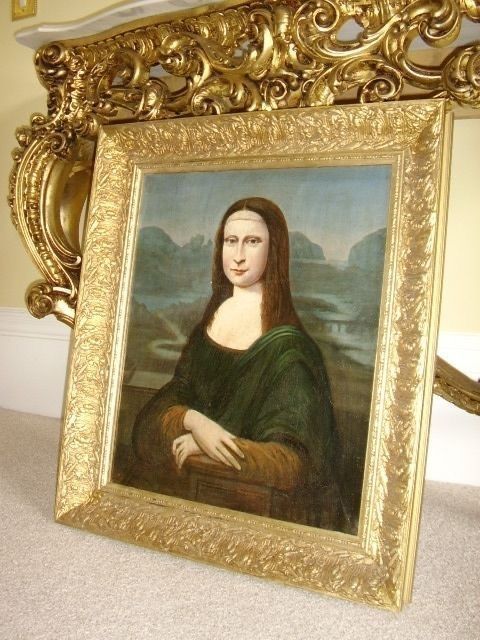
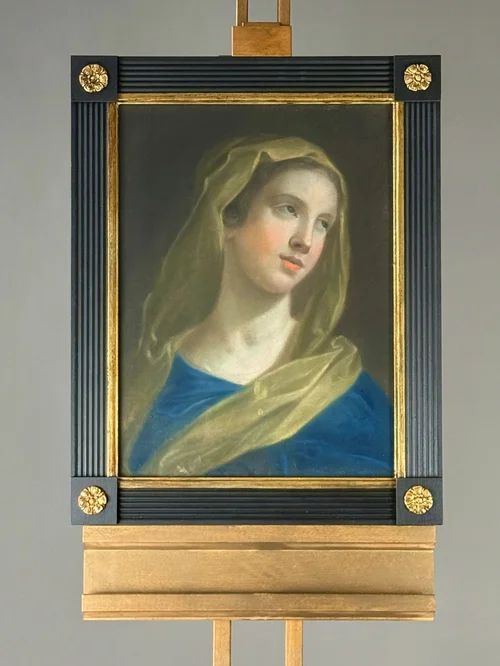
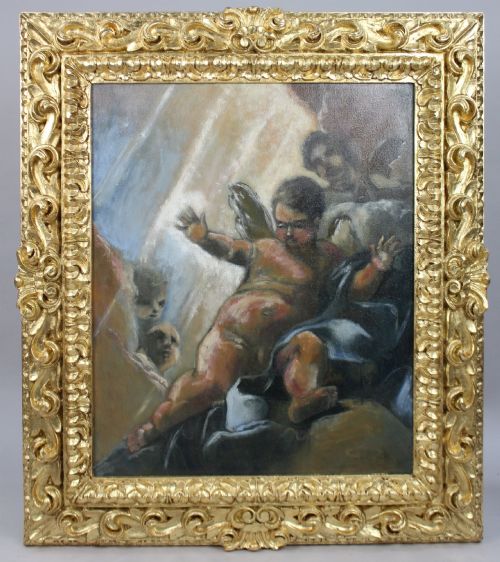
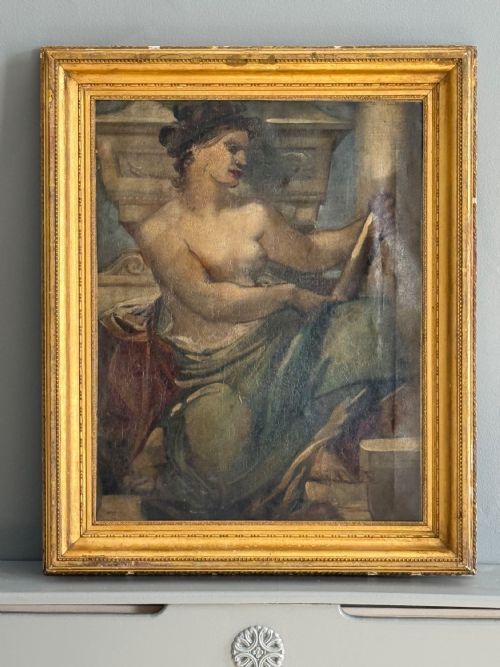
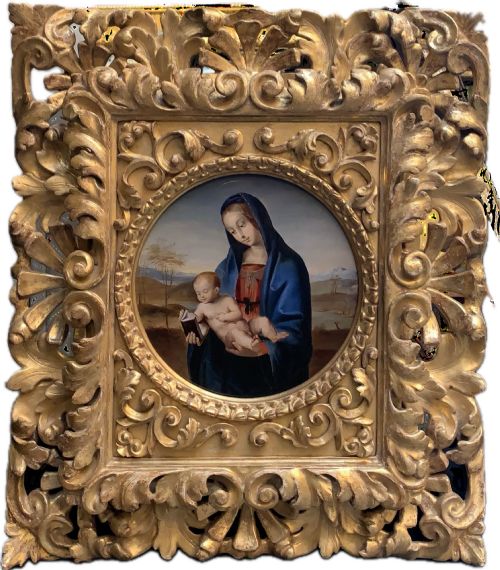
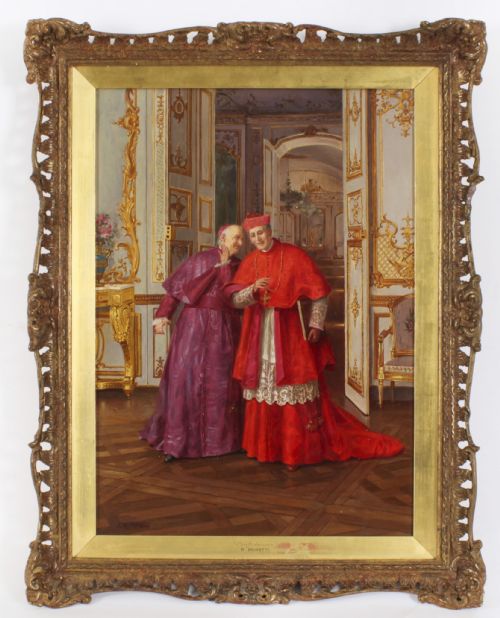
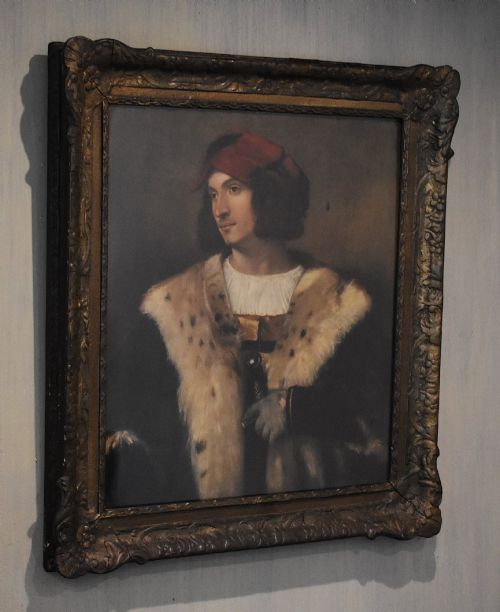
The most prevalent examples on this page are oil paintings on canvas executed in historical styles such as Italian Baroque, Renaissance Revival, and Neoclassical manners. These pieces frequently draw inspiration from celebrated masters, presenting subjects like madonnas, sibyls, and noble figures intended for interior display.
Originating across various Italian schools and later European interpretations, these works capture both sacred narratives and secular likenesses. Collectors find everything from intimate pastel studies to substantial canvases housed in carved giltwood frames.
Materials and construction methods
The primary medium recorded across these listings is oil paint applied to canvas or wood panels, utilising traditional layering and glazing techniques to achieve depth and luminosity. Artists also employed pastel on paper and carved marble or bronze for profile plaques and sculptural forms.
Framing forms an integral part of the physical object, with many canvases set into carved and gilded wood frames that complement the aesthetic of the period. Gold leaf accents and mahogany supports further define the tangible construction of these historical works.
Current listings feature oil paintings, pastels, drawings, and carved wall plaques spanning from the sixteenth century through the mid-twentieth century.
Distinctions in quality and execution
Quality in these works resides in the fidelity of the brushwork, the subtlety of facial expression, and the structural integrity of the canvas and frame. Masterful handling of light and shadow distinguishes superior interpretations from simpler decorative reproductions.
The depth of pigment preservation and the harmony between the artwork and its period housing elevate certain pieces. Superior examples demonstrate confident draughtsmanship and sophisticated tonal control that reflect the standards of their respective schools.
Benedetto Luti·Pietro Fachetti·Bernardino Luini·Guillaume Courtois·Renato Moretti·Paolo Veronese·Antonio Merente·Claude Lorrain·Domenico Zampieri·Ferruccio Vitale·William Adolph Bouguereau·Antonio Allegri·Bartolomeo Schedoni·Scipione Pulzone·Raffaello Sanzio·Gian Lorenzo Bertolotto·Guido Reni·Francesco Guardi·Pompeo Batoni·Guiseppe Mazzolini·Willem Johannes Martens
The Classical Italian Portrait Art Glossary
- Baroque
- A stylistic period characterised by dramatic lighting, rich colour palettes, and emotional intensity. This aesthetic dominates many seventeenth-century compositions.
- Giltwood
- Wood that has been coated with a thin layer of gold leaf or gold paint. It frequently appears on decorative antique frames.
- Oileograph
- A mechanical reproduction printed on canvas to simulate an oil painting. These emerged in the nineteenth and twentieth centuries.
- Pastel
- A dry medium consisting of powdered pigment and a binder, shaped into sticks. Works in this medium offer soft textures and delicate colour blending.
- Renaissance Revival
- A nineteenth-century architectural and artistic style that drew inspiration from fifteenth and sixteenth-century Italian art. Pieces in this mode adapt classical motifs to later interiors.
Classical Italian Portrait Art: Frequently Asked Questions
What defines classical italian portrait art?
These works comprise historical paintings, drawings, and sculptural plaques originating from or inspired by Italian artistic traditions spanning several centuries.
Subjects range from religious icons and mythological figures to portraits of historical personages and everyday individuals.
How were these historical paintings created?
Artists typically applied oil paints onto stretched canvas or wooden panels using traditional priming and layering techniques developed during the Renaissance and Baroque eras.
Draftsmen also utilised pastels on paper, while sculptors worked with marble, bronze, and carved wood to produce relief plaques.
How should I display these artworks at home?
Oil paintings and framed works require stable indoor environments away from direct sunlight and excessive humidity to protect the canvas and pigments.
Matching the piece with a sympathetic period frame enhances its visual integration into traditional or eclectic interior spaces.
How can I identify different stylistic periods?
Stylistic cues such as the theatrical lighting of the Baroque era or the balanced compositions of the Renaissance help differentiate the periods.
Examining the materials, framing methods, and canvas preparation provides further context regarding the age and origin of the piece.