

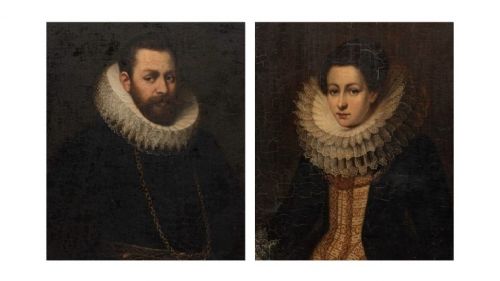


Traditional Portrait Paintings Pair
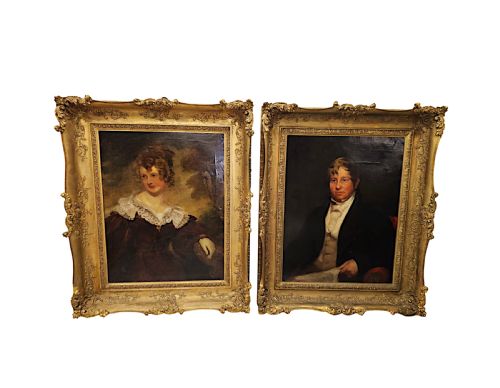
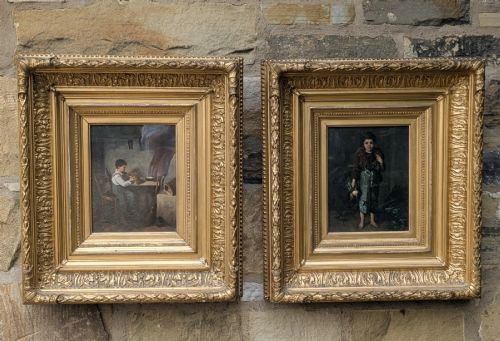
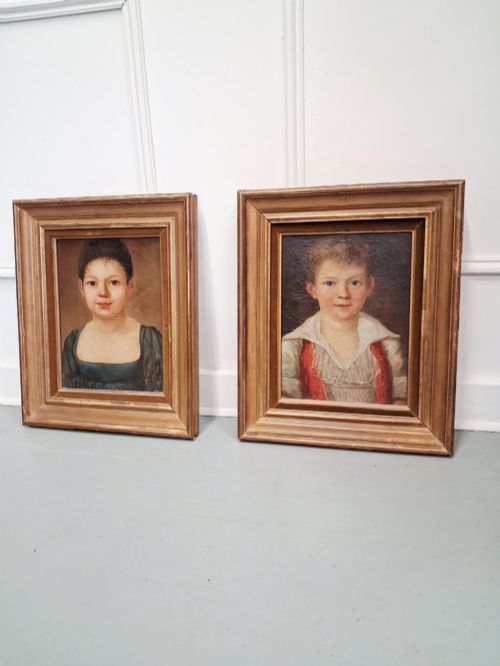
Traditional portrait paintings pair sets comprise matching framed artworks depicting subjects in oil, canvas, silk, and watercolour from periods spanning the eighteenth to the early twentieth century.
Traditional Portrait Paintings Pair
Traditional portrait paintings pair works represent matching compositions of human subjects, children, elderly couples, noblemen, ladies, and animals created during eras such as the eighteenth century, Victorian period, and Edwardian age. Buyers searching for a traditional portrait paintings pair will encounter dual artworks designed for balanced display, frequently executed in oil on canvas or mounted within frames.
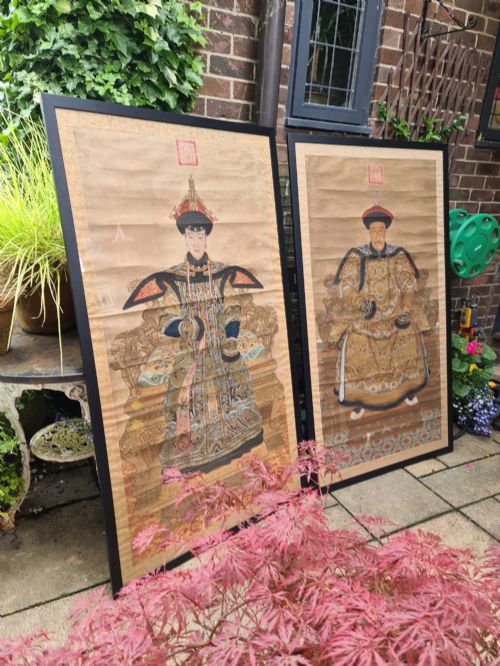
The selections available range from English and Dutch school oils to Chinese ancestral scrolls and Italian artist depictions. Subjects encompass young boys, noble pairs with ruff collars, sporting dogs, and champion horses, reflecting diverse global schools of portraiture.
Most entries belong to the nineteenth and early twentieth centuries, though eighteenth-century examples also appear. These matched sets provide symmetrical wall art suitable for period interiors.
How they were made
Makers utilised canvas, wood, paper, silk, and glass as the primary supports for these artworks. Pigments were applied using oil and watercolour techniques to capture detailed facial expressions, garments, and backgrounds.
Framing often incorporated giltwood to enclose and protect the canvas or paper supports. Ancestral scrolls utilised fabric mounting traditions such as silk alongside painted imagery.
Traditional Portrait Paintings Pair Retail Price Guide 2026
Typical asking prices for traditional portrait paintings pair among the pieces listed under this phrase on Sellingantiques today, from the lower quarter to the upper quarter. They describe what is for sale here now, not the wider market.
Several listings pair distinguished human nobles directly alongside champion Hackney horses and eager sport dogs.
What varies in quality
Quality differences emerge in the precision of brushwork and the anatomical accuracy of the subjects depicted. Superior examples demonstrate intricate detail in clothing, such as ruff collars, and lifelike expressions on human and animal faces.
The preservation of the original support materials, including canvas and wood, influences the integrity of the piece. Matching frames and the clarity of the underlying media also distinguish finer sets.
Ferruccio Vitale·W.A. Clark
The Traditional Portrait Paintings Pair Glossary
- Oil on Canvas
- Pigment mixed with drying oil applied to a woven fabric support. This combination allowed artists to build rich textures and lasting colour depth.
- Giltwood
- Wood carved and coated with a thin layer of gold leaf. It provided ornate, reflective borders for traditional frames.
- Ancestor Portrait
- A painting or scroll created to honour family forebears. These works often served ritual or commemorative purposes in domestic spaces.
- Dutch Golden Age
- A period of artistic achievement noted for refined realism and detailed portraiture. Works from this tradition often feature intricate garments and precise lighting.
Traditional Portrait Paintings Pair: Frequently Asked Questions
What is a traditional portrait paintings pair?
A traditional portrait paintings pair consists of two matching artworks created to be displayed together as a set. They typically depict human subjects, ancestors, or animals.
Such pairs offer symmetrical visual balance for interior spaces, maintaining consistent style, period, and framing.
How were these portraits displayed?
These works were framed in wood or giltwood and hung symmetrically on walls in formal rooms. Ancestral scrolls were traditionally mounted for hanging or rolling.
Owners placed them in prominent domestic areas to display lineage, status, or aesthetic taste.
How do I identify the period?
Period identification relies on clothing styles, painting techniques, and framing materials. Victorian and Edwardian works often feature distinct attire and canvas treatments.
Examining the stretcher frames and backing materials provides further clues regarding the date of creation.
Are all pairs painted in oil?
While oil on canvas is common, other materials exist within these matched sets. Examples include silk scrolls, glass elements, and watercolour on paper.
Each medium reflects the regional artistic traditions and period of its origin.