
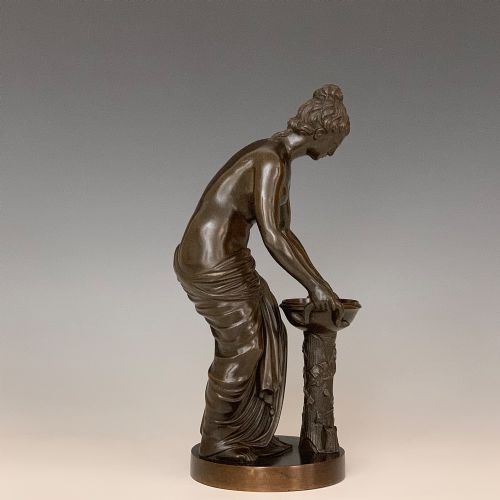


Classical Greek Sculpture
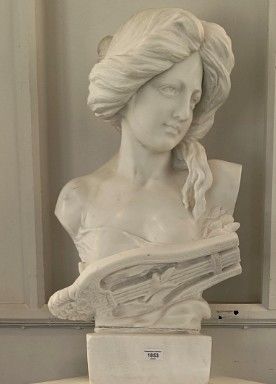
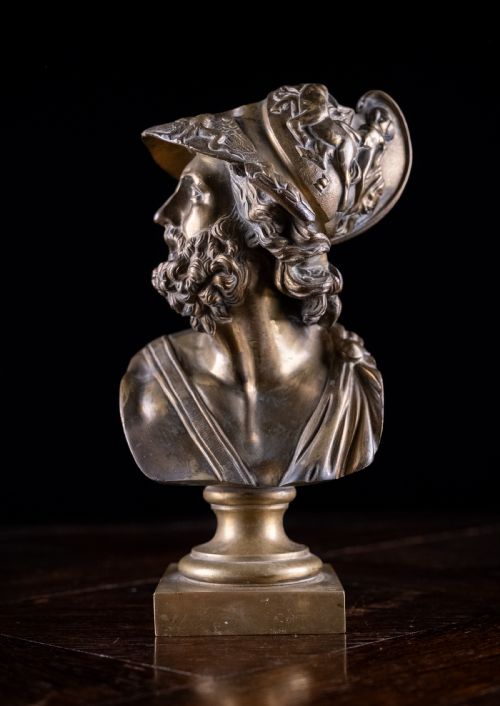
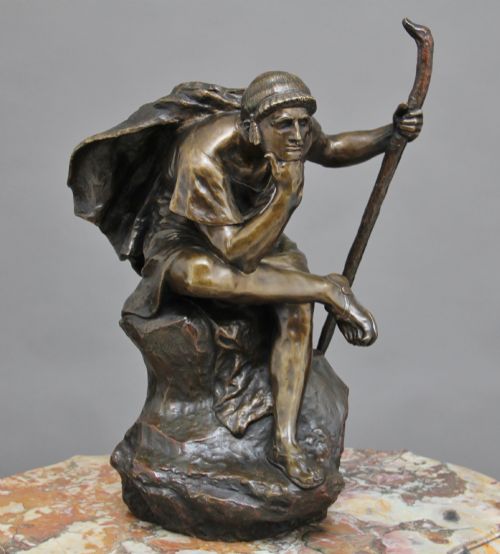
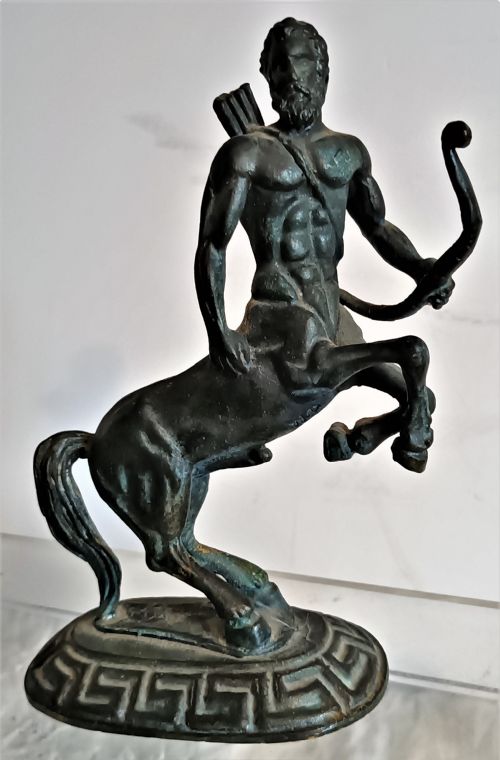
Classical greek sculpture brings mythological figures and ancient philosophers into interiors through nineteenth century bronzes, marbles and plasters.
Classical Greek Sculpture
Classical greek sculpture on this page centres on nineteenth century interpretations, Grand Tour souvenirs and revival pieces depicting gods, heroes and philosophers.
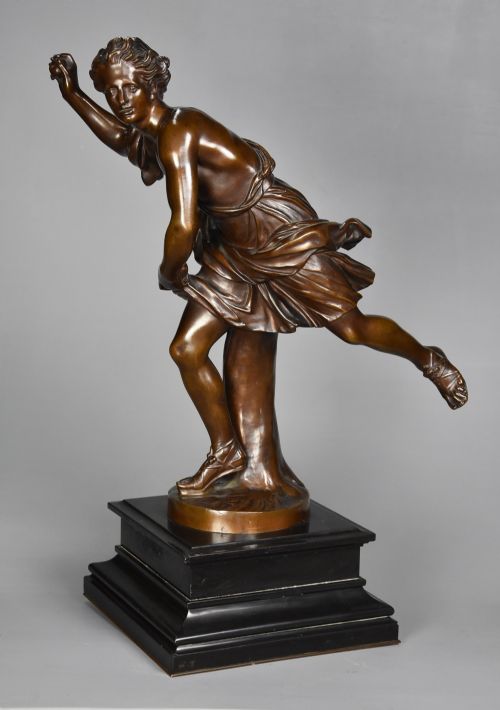
The most common forms encountered here are bronze and marble figures, busts and reliefs produced during the Victorian period and the wider nineteenth century.
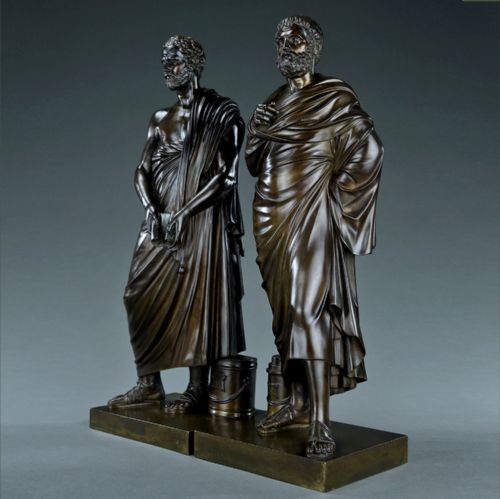
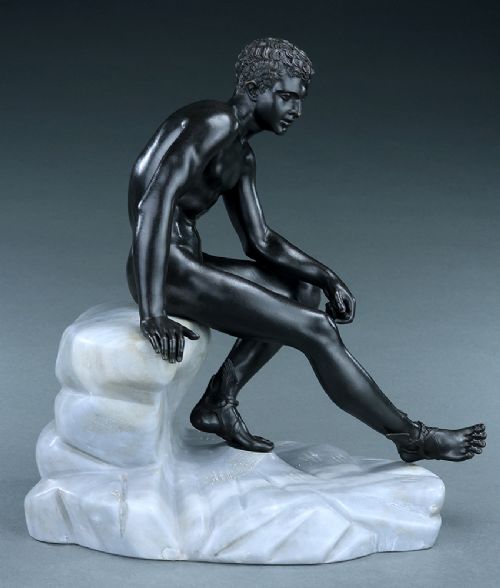
Subjects range from mythological deities such as Apollo, Hermes and Venus to historical figures like Homer, Sophocles and various athletes and warriors.
Materials and Methods
Foundries and studios utilised cast bronze, often with patinated or verdigris finishes, alongside carved marble, alabaster and moulded plaster.
Many works combine materials, mounting bronze figures or busts onto coloured marble bases such as Rosso Levanto or grey marble.
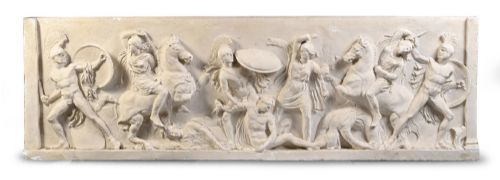
Some pieces employ alternative compositions like marble dust reliefs or parian ware to replicate the appearance of carved stone.
Listings feature works in bronze, marble, plaster, alabaster and parian ware spanning the Neoclassical, Victorian and Grand Tour traditions.
Quality and Execution
The fineness of chisel work on marble and the crispness of chasing on bronze distinguish superior reductions and casts from simpler souvenir pieces.
The quality of the material itself, from deeply veined marble bases to carefully formulated patinas, dictates the visual presence of each figure.
Barbedienne·Franz Iffland·Eugene Barillot·Messina Roma
The Classical Greek Sculpture Glossary
- Grand Tour
- A traditional trip undertaken by European aristocrats to study classical antiquities, resulting in the purchase of souvenir bronzes and busts.
- Patinated Bronze
- A metal sculpture treated with chemical solutions to produce a specific surface colour or tone.
- Parian Ware
- A fine-grained unglazed porcelain developed in the nineteenth century to imitate white marble.
- Relief Sculpture
- A sculptural technique where figures project from a flat background rather than existing in the round.
- Reduction
- A small-scale copy cast or carved after a larger, well-known ancient monument or statue.
Classical Greek Sculpture: Frequently Asked Questions
What are Grand Tour bronzes?
Grand Tour bronzes are miniature or reduced-scale copies of famous ancient sculptures acquired by travellers in Italy during the eighteenth and nineteenth centuries. These pieces served as scholarly souvenirs and decorative desk ornaments.
Foundries in cities like Paris and Rome produced them in bronze, often mounting them on marble plinths to display classical erudition in domestic settings.
How do I identify nineteenth century plaster busts?
Nineteenth century plaster busts, such as those depicting Homer or classical water carriers, show a matte, painted or whitewashed surface over a dense composition. They were cast in moulds taken from antique sculpture.
Over time, these pieces accumulate a distinct patina and may reveal minor surface wear that indicates age rather than recent manufacture.
What is the difference between a bust and a figure?
A bust depicts a subject from the chest or shoulders up, focusing on facial expression and headwear, which made them popular for library and study decor. Figures show the full body, either standing, seated or in dynamic motion.
Both formats draw on mythological narratives and historical portraits found in classical antiquity.
Where should I display heavy marble sculptures?
Heavy marble and bronze pieces require stable, level surfaces such as strong sideboards, pedestals or dedicated console tables capable of supporting substantial weight. Placing them away from heavy foot traffic prevents accidental tipping.
Natural light from the side accentuates the carved contours of marble drapery and the cast details of bronze musculature.