



Classical Goddess Statue
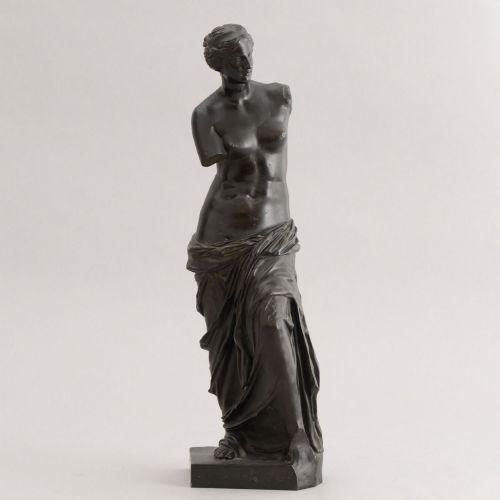
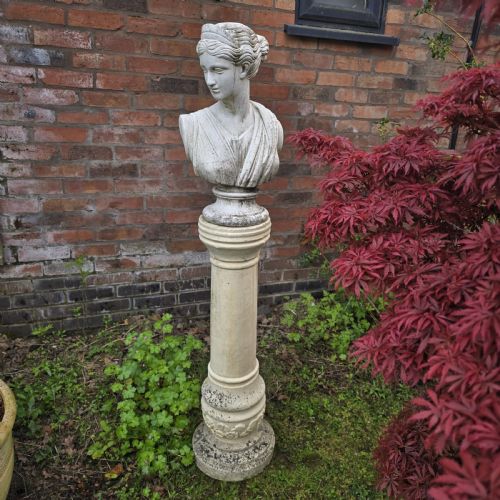
A classical goddess statue brings mythological figures like Venus, Diana, and Juno into an interior through enduring bronze, marble, and stone.
Classical Goddess Statue
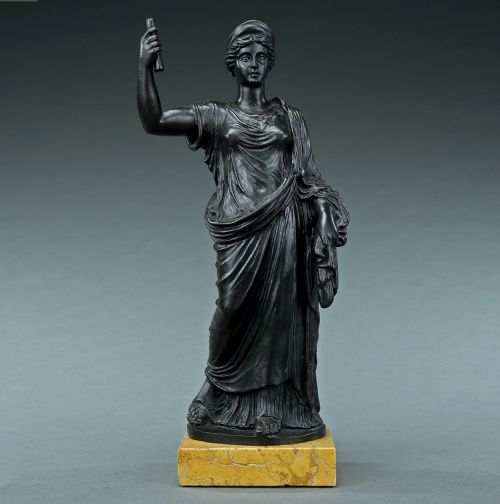
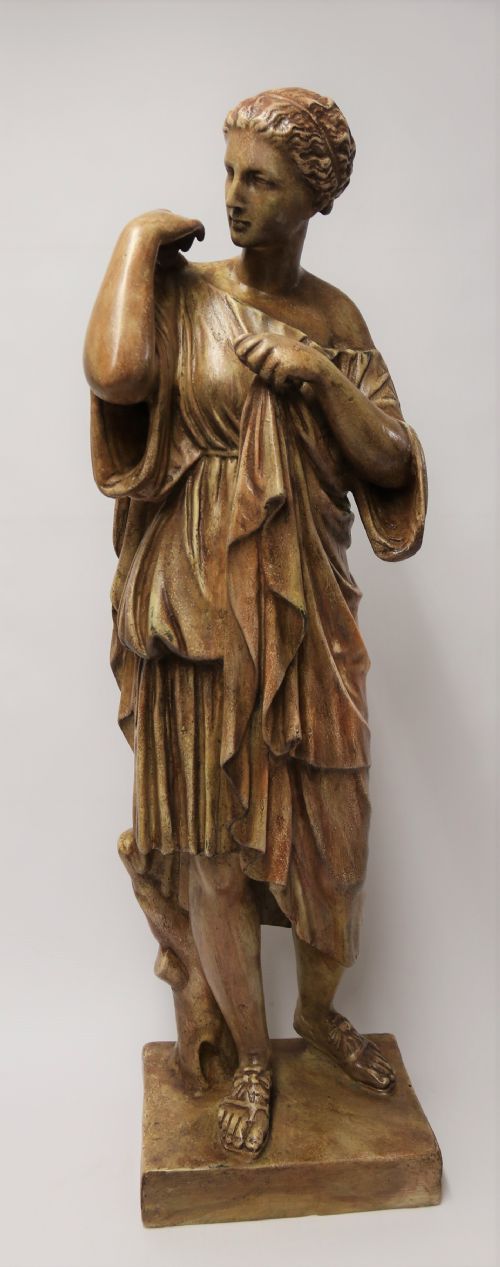
When you search for a classical goddess statue, you encounter sculptural representations of mythological figures such as Venus, Diana, Juno, Athena, and Fortuna. These pieces draw heavily on ancient Greek and Roman iconography, capturing deities with traditional attributes like bows, sickles, lamps, or drapery. You most frequently meet nineteenth-century interpretations, including Grand Tour souvenirs and foundry casts from France and Italy.
The forms range from small cabinet bronzes and carved alabaster figurines to substantial garden statuary and marble busts mounted on plinths. Styles span the seventeenth-century Italian Baroque through nineteenth-century Neoclassical and Classical Revival, extending occasionally into twentieth-century Art Deco and modernist interpretations. These sculptures reflect centuries of European fascination with antique sculpture, reproducing renowned works after ancient masters and sculptors like Antonio Canova.
Makers and foundries of the period produced both signed artistic editions and unsigned souvenir pieces designed for travellers collecting culture abroad. You will find deities depicted standing, crouching, or seated, each cast or carved to honour classical proportions and narrative traditions. The selection on this page demonstrates how these subjects adapted across different domestic and garden settings over successive eras.
Materials and methods of execution
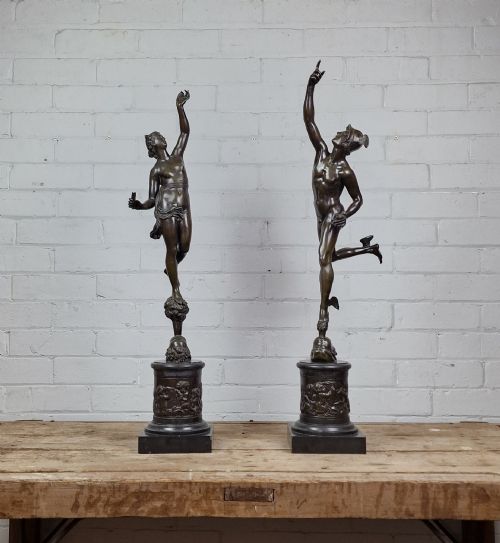
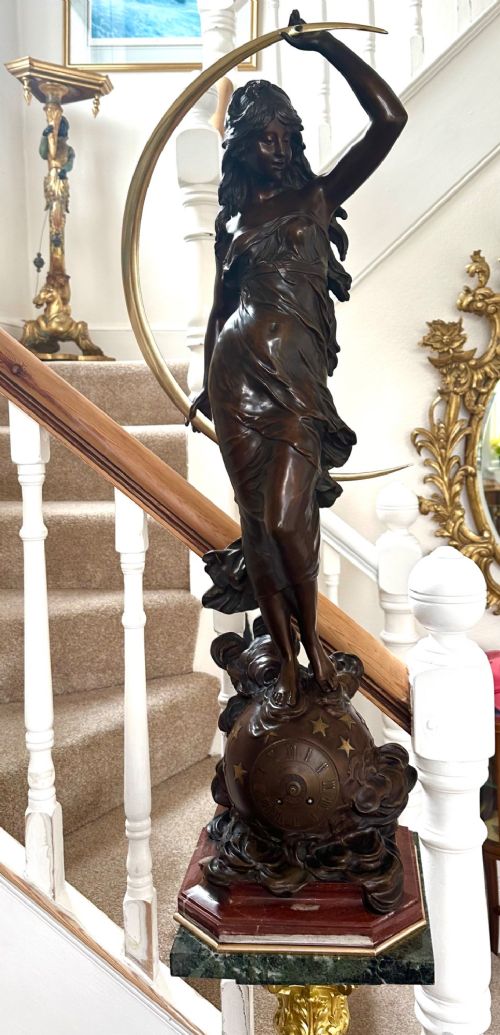
Foundries manufactured metal figures using the lost-wax casting technique in bronze, often applying chemical patinas ranging from deep brown to rich green tones, or employing fire-gilding. These bronzes were frequently mounted on heavy bases of marble or ebonised wood to provide stability and visual contrast. Sculptors also worked directly in stone, cast stone, reconstituted stone, and plaster for larger architectural or garden pieces.
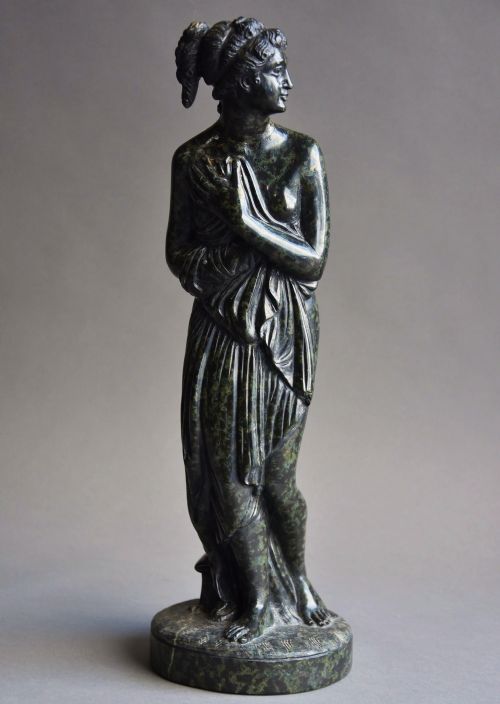
Carvers shaped finer indoor pieces from materials such as white marble, serpentine, and alabaster, capturing intricate details in hair, drapery, and anatomical form. Artisans finished these stone and metal surfaces by hand, polishing, chasing, or patinating the exterior to emulate ancient archaeological finds or contemporary academic standards.
Listings span periods from the seventeenth century through the 1930s, incorporating materials such as alabaster, serpentine, and gilded bronze.
Assessing sculptural quality
For carved pieces in marble, serpentine, or alabaster, the skill of the carver determines how convincingly the hard material simulates soft fabric and living flesh. The choice of base material, such as a stepped marble plinth or finely turned ebonised wood, contributes to the overall structural integrity and aesthetic balance of the sculpture.
August Moreau·Antonio Canova·Antonio Frilli·Mercié·Louis Ernest Barrias
The Classical Goddess Statue Glossary
- Grand Tour
- A traditional travel itinerary undertaken by European nobility and intellectuals to explore the cultural sites of France and Italy. Souvenirs purchased along the way included bronze reductions and carved stone copies of famous antique sculptures.
- Neoclassical
- A Western cultural movement drawing inspiration from the art and culture of classical antiquity. This style prioritises restraint, harmonious proportions, and mythological subject matter.
- Patinated bronze
- A bronze sculpture treated with acid or heat to produce a specific surface colour and finish. This process protects the metal and accentuates the sculptural contours.
- Lost-wax casting
- A metalworking method where a molten metal is poured into a mould that has been created by means of a wax model. The wax is subsequently melted and drained away.
- Serpentine
- A group of green silicate minerals often used as a decorative stone for carvings and bases. It takes a high polish and exhibits mottled cloud-like patterns.
Classical Goddess Statue: Frequently Asked Questions
What materials were used for these statues?
The listings feature pieces made primarily from bronze, patinated bronze, marble, serpentine, alabaster, plaster, and cast stone. Many metal figures are also mounted upon bases of ebonised wood or contrasting marble.
Foundries and workshops selected these durable mediums to replicate the appearance of ancient Greek and Roman antiquities for nineteenth-century collectors and modern interiors.
How do I identify a Grand Tour bronze?
Grand Tour bronzes are typically smaller souvenir sculptures produced in France or Italy during the nineteenth century to commemorate travels to classical sites. They frequently depict well-known mythological figures or famous ancient statues.
These pieces often display a fine dark patina and are mounted on heavy marble plinths, designed to be displayed easily on a library table or cabinet.
Which goddesses appear most frequently?
The listings predominantly showcase major Olympian deities such as Venus, Diana the Huntress, Athena, Juno, Demeter, and Fortuna. Each goddess is usually shown with her traditional symbolic attributes, like a bow, a sickle, or a lamp.
These figures allowed nineteenth-century sculptors to explore idealized female forms while referencing classical mythology and allegory.
How should I care for a bronze statue?
Bronze sculptures require minimal maintenance beyond gentle dusting with a soft, dry cloth to prevent the accumulation of grit. You should avoid using chemical cleaners, polishes, or water, which can strip away the historic patination.
Keeping the piece away from direct sunlight and excessive humidity will help preserve the stability of both the metal and any attached stone or wooden base.