


Classical Gilt Pier Mirror
A classical gilt pier mirror brings architectural presence and reflected light to a room, hung traditionally between windows.
Classical Gilt Pier Mirror
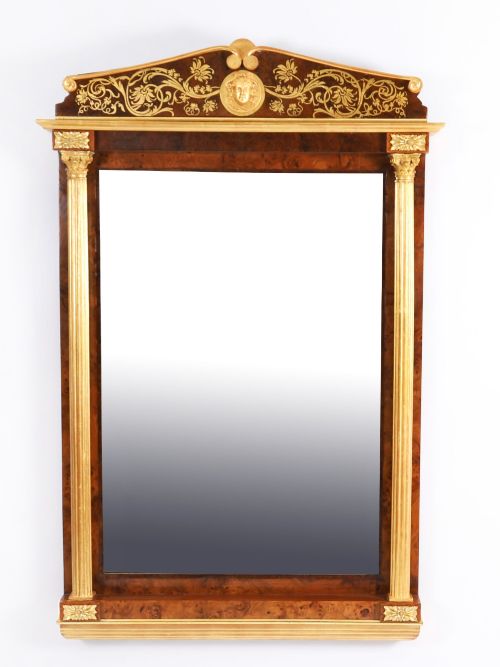
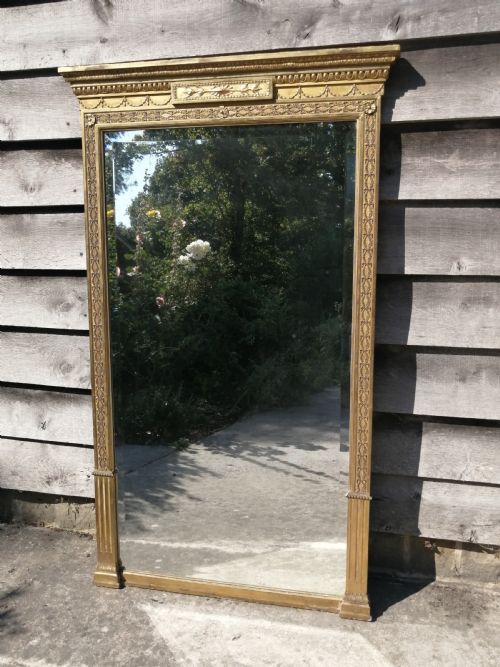
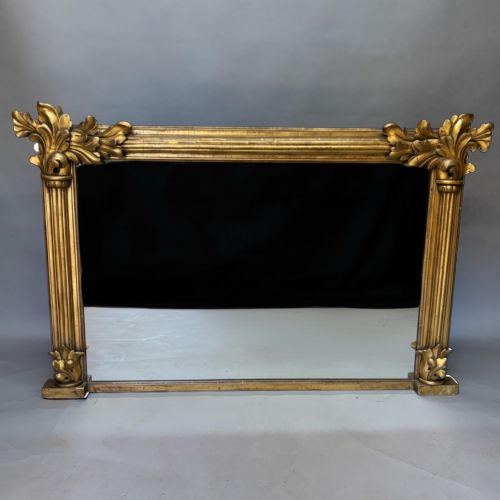
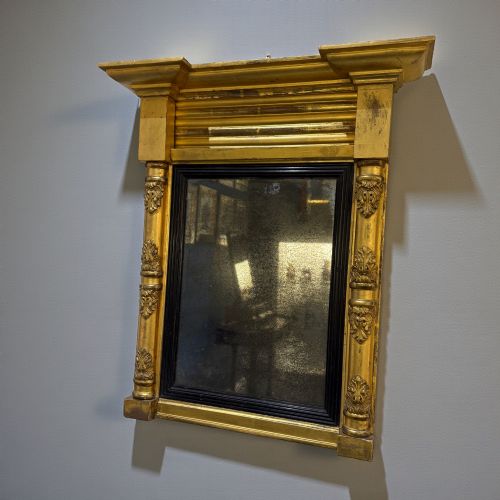
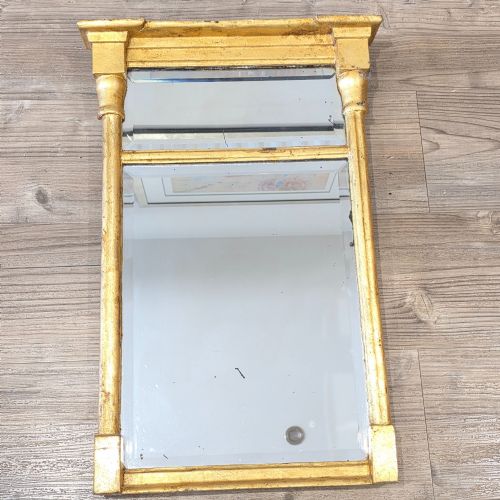
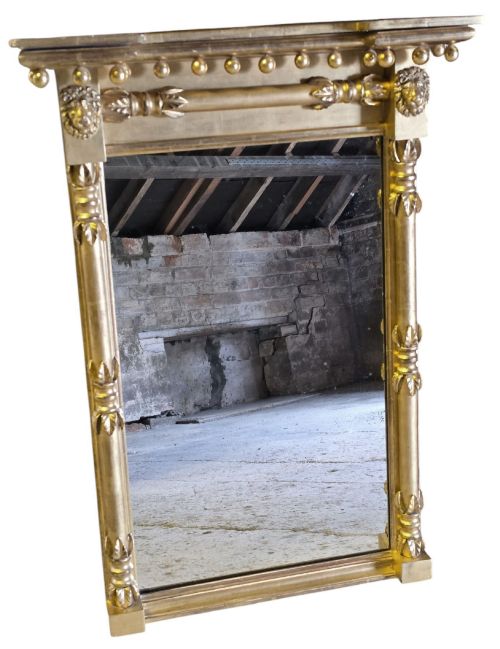
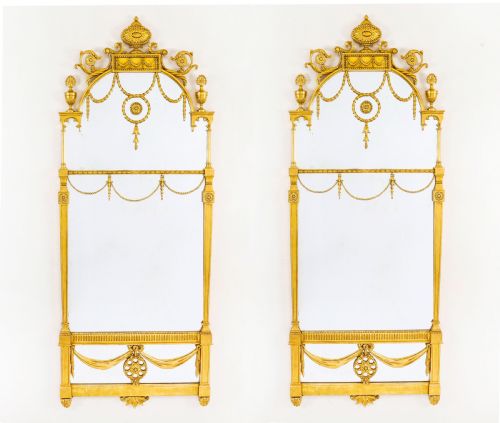
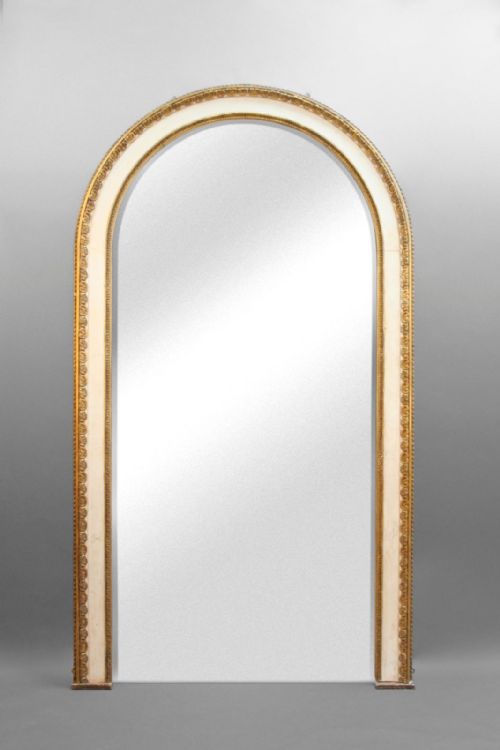
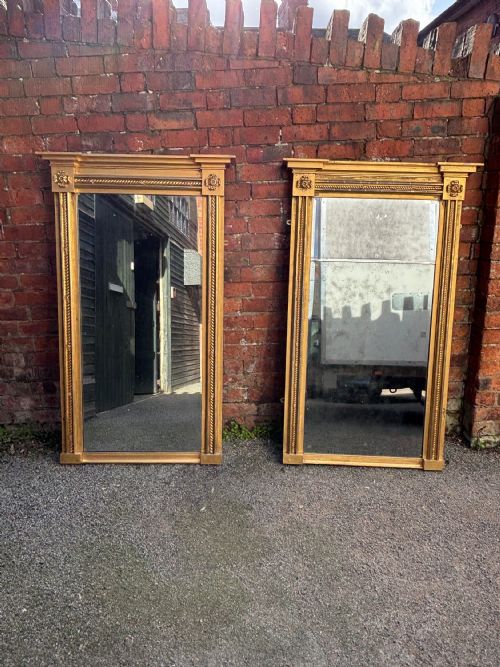
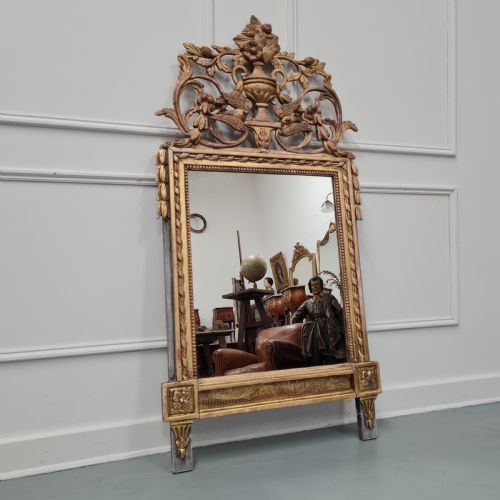
A classical gilt pier mirror is a tall, vertical wall glass designed specifically to hang on the narrow wall space between windows, often positioned above a matching console table. These pieces bring architectural balance and reflect natural light deep into reception rooms. Most examples encountered here belong to the Regency and Georgian periods, showcasing symmetrical framing and classical motifs.
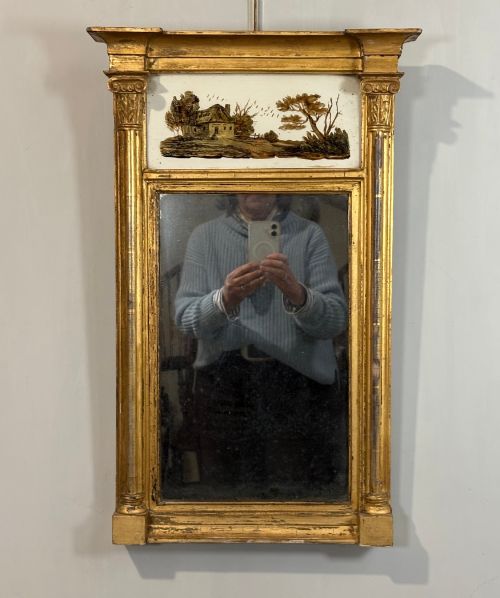
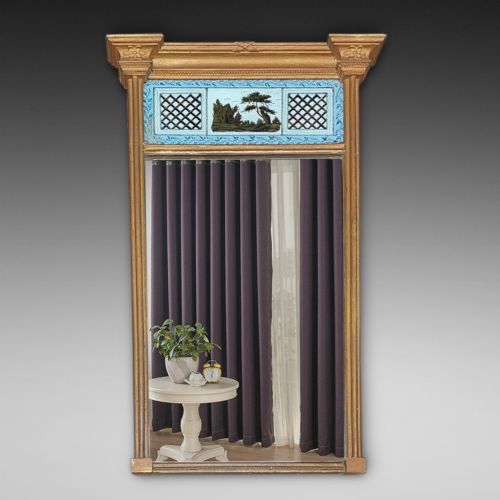
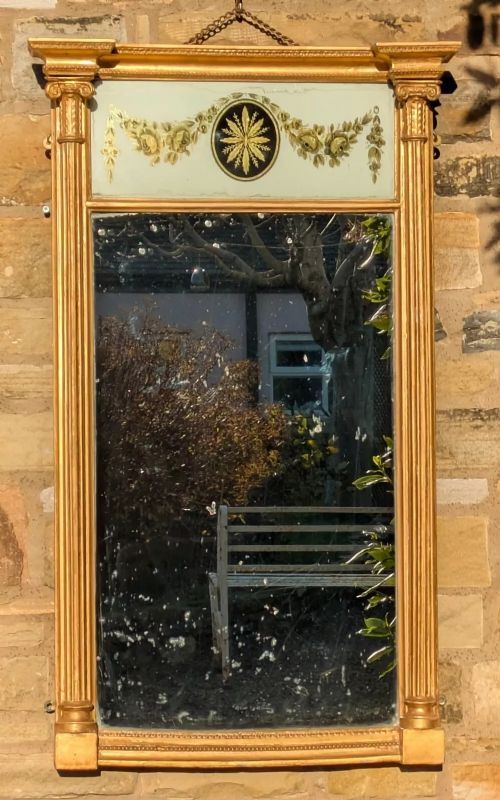
The form frequently incorporates distinct decorative panels above or beside the primary glass plate, utilising verre eglomise or painted canvas to add visual weight. Makers of the nineteenth century favoured vertical proportions that drew the eye upward, matching the high ceilings of period drawing rooms. Surviving pieces range from modest wall-hanging formats to monumental eight-foot architectural installations.
Materials and construction methods
Makers built the foundational framework using dense timbers such as mahogany or pine, which were then prepared for gilding with layers of gesso. Giltwood surfaces combined thin sheets of gold leaf applied over red bole, creating a warm, luminous ground that aged gracefully over centuries.
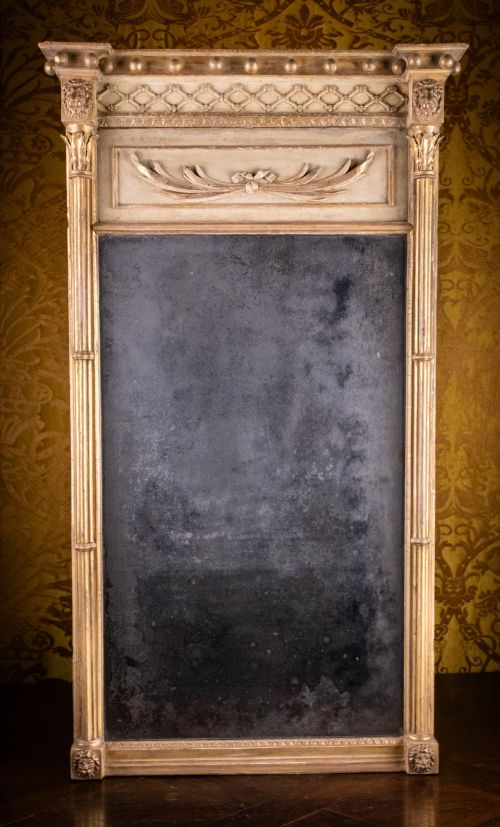
Detailing relied heavily on moulded composition ornament applied to the wooden carcase, allowing crisp neoclassical motifs like egg-and-dart or acanthus leaves. Mirror plates were traditionally silvered by hand, frequently surviving with original mercury or early silver nitrate layers that show soft patination and foxing.
Classical Gilt Pier Mirror Retail Price Guide 2026
Typical asking prices for classical gilt pier mirror among the pieces listed under this phrase on Sellingantiques today, from the lower quarter to the upper quarter. They describe what is for sale here now, not the wider market.
Materials documented across the collection include giltwood, gesso, verre eglomise, mahogany, walnut, and marble.
Distinguishing quality and craftsmanship
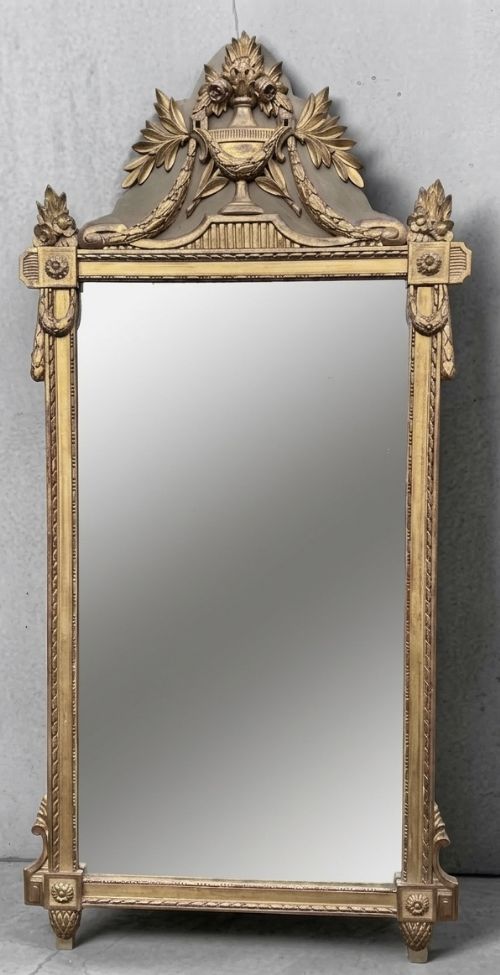
The division between ordinary and exceptional examples rests upon the crispness of the carved or moulded enrichment and the depth of the gilding. Superior pieces exhibit hand-carved wooden details rather than heavy composition pressings, with gold leaf that maintains its burnished brilliance.
Integrity of the glass plate and the retention of original verre eglomise panels dictate the historical standing of a mirror. Frames that retain their original backboards, unblemished gilding layers, and untouched mercury glass command greater admiration from collectors.
The Classical Gilt Pier Mirror Glossary
- Pier mirror
- A vertical wall glass designed to hang on the narrow pier of wall between two windows. They were frequently paired with console tables.
- Giltwood
- Timber carved and coated with gold leaf applied over a prepared gesso and bole ground. This technique creates a rich, metallic surface finish.
- Verre eglomise
- A process of cold painting and gilding on the reverse side of glass. It appears frequently as a decorative panel in Regency wall mirrors.
- Gesso
- A plaster mixture applied to wood frames to create a smooth surface for gilding or moulding. It accepts fine detail work from carvers and modellers.
- Neoclassical
- A style drawing inspiration from classical antiquity, prominent in eighteenth and nineteenth-century design. It employs restrained symmetry and classical motifs.
Classical Gilt Pier Mirror: Frequently Asked Questions
Where should I hang a pier mirror?
These mirrors were originally designed for the narrow wall space between two windows to maximise ambient daylight.
Today, they work effectively above console tables in hallways or as vertical focal points in living rooms.
What is verre eglomise?
Verre eglomise is a decorative technique involving painting and gilding on the reverse side of glass.
In classical mirrors, these panels usually sit above the main glass plate to add contrast and colour.
How do I distinguish Regency from Georgian mirrors?
Georgian mirrors often feature intricate hand-carved mahogany or giltwood frames with architectural pediments and asymmetrical flourishes.
Regency examples tend toward strict classical revivalism, incorporating ebonised details, convex plates, and verre eglomise panels.
Are original mirror plates common?
Many surviving examples retain their original mercury glass plates, which display soft grey foxing and atmospheric distortion.
Replacement glass appears frequently in the history of these items due to breakage over centuries of use.