



Classical Fine Art
Classical fine art comprises historic paintings and drawings that capture traditional subjects through academic or period techniques.
Classical Fine Art
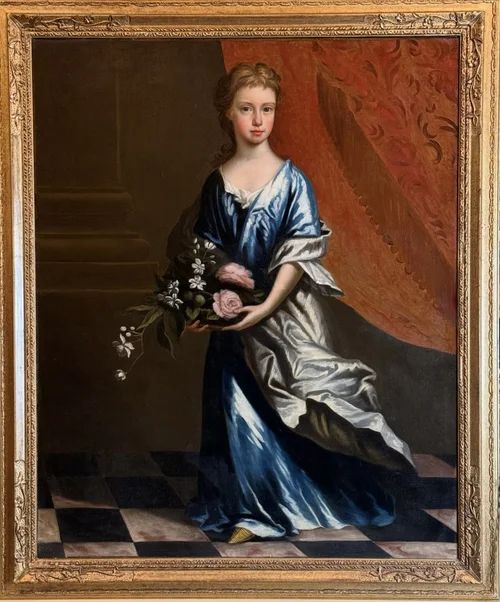
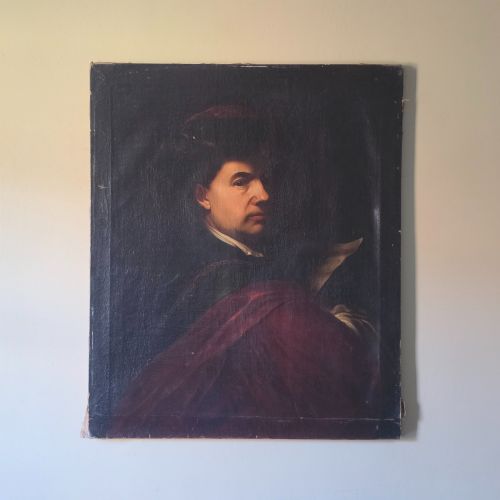
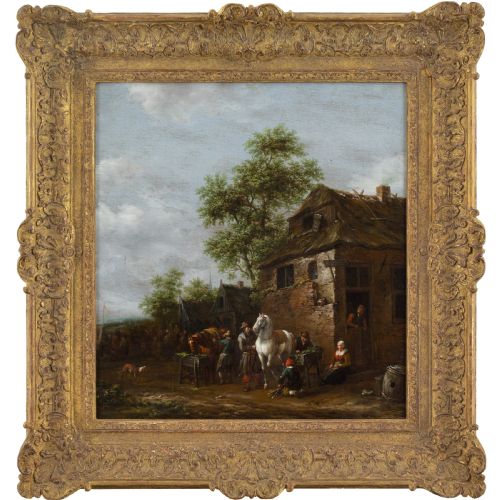
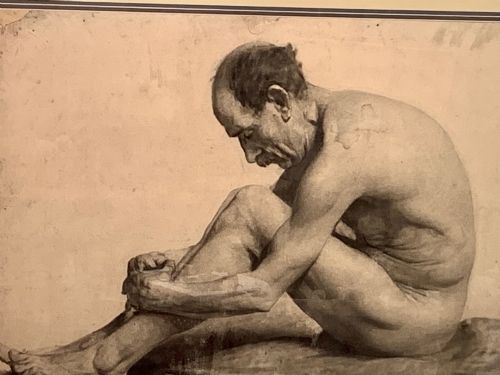
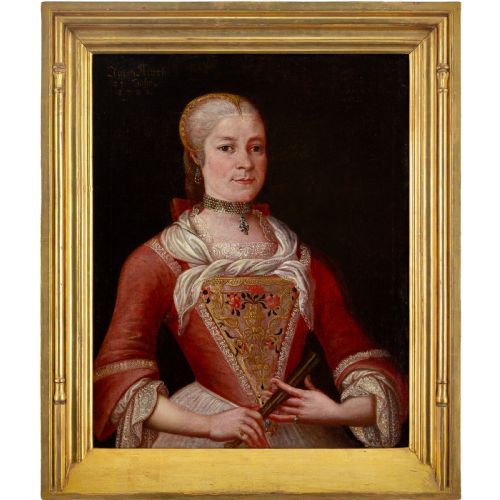
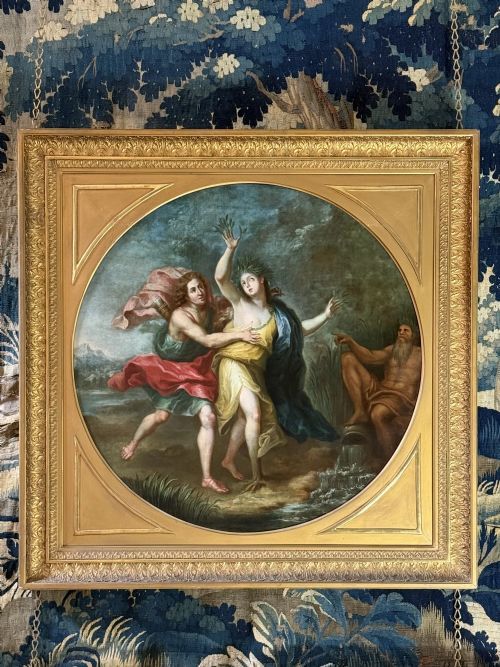
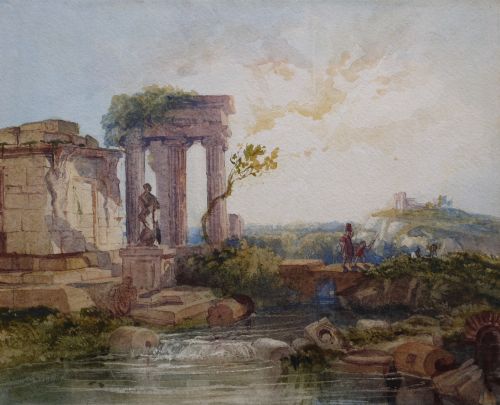
When you search for classical fine art, you encounter oil paintings, watercolours, and drawings spanning several centuries from the seventeenth to the twentieth. Portraits of ladies, gentlemen, and nobility dominate the selections alongside mythological scenes and landscapes.
Most pieces date from the eighteenth and nineteenth centuries, often reflecting earlier Renaissance, Baroque, or Neoclassical styles. You meet works produced by regional European schools as well as individual artists working within academic traditions.
How They Were Made
Makers applied oil paint to canvas or wood panels, sometimes utilising paper for pastels, gouache, or watercolours. Canvases received preparatory grounds before artists built up compositions with rich pigments.
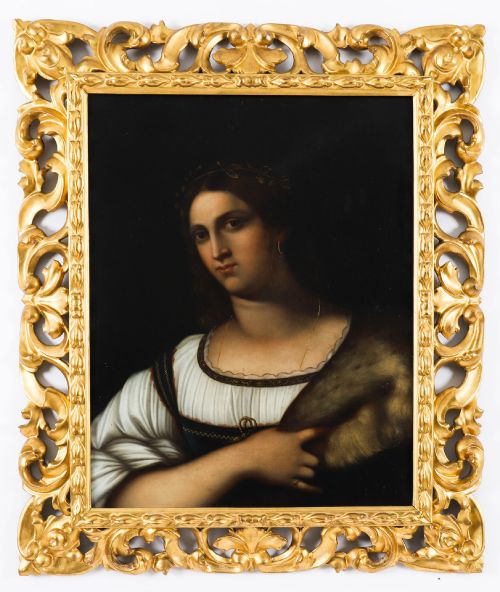
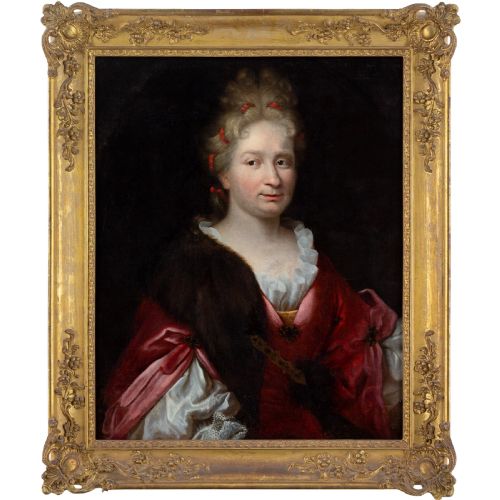
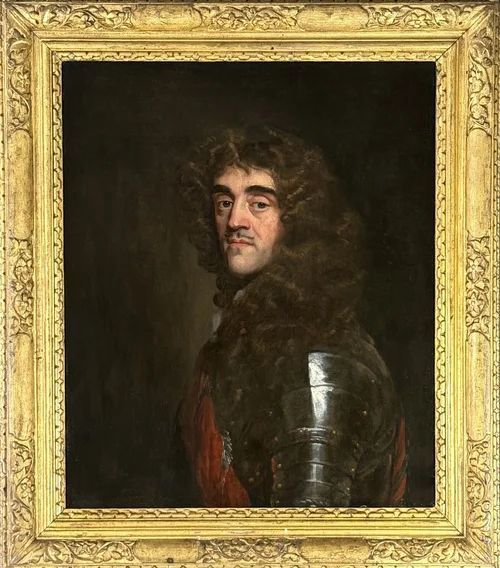
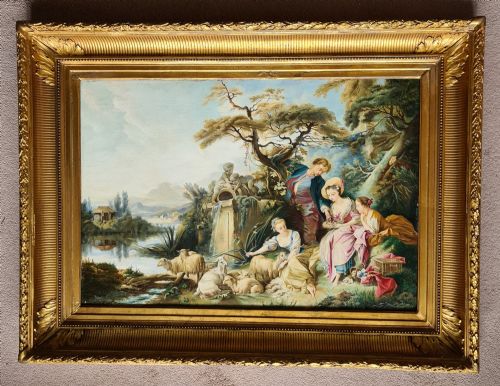
Frames frequently consist of carved giltwood or wood with gesso ornamentation, matching the period aesthetic of the paintings they house.
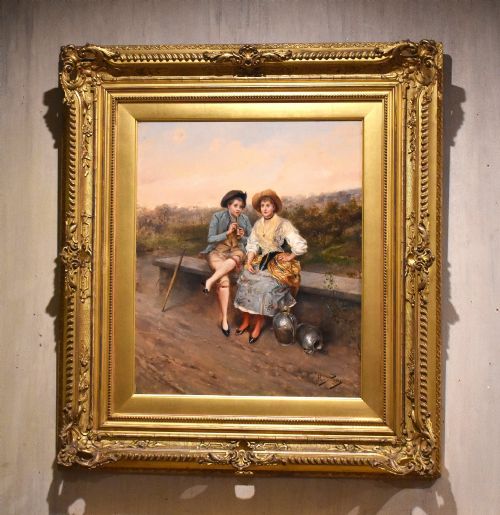
Pastoral symphonies, taming shrews, and resolute cardinals quietly stare across the centuries from their giltwood borders.
What Varies in Quality
The precision of brushwork and anatomical accuracy separate accomplished hands from routine studio output. Masterful handling of light, shadow, and expression distinguishes the finest portraits and mythological compositions.
The integrity of the original surface, the preservation of pigment depth, and the authenticity of the associated period frame influence the overall standing of an artwork.
Alonso Perez·Hyacinthe Rigaud·Sir Joshua Reynolds·Benedetto Luti
The Classical Fine Art Glossary
- Oil on Canvas
- Pigments suspended in a drying oil applied to a woven fabric support. This combination allowed artists to blend colours smoothly and achieve rich tonal depth.
- Giltwood
- Wood carved and coated with gold leaf or gold paint. It provides a reflective, ornate border specifically designed to complement historic paintings.
- Gesso
- A plaster mixture applied to wood or canvas as a base for painting or gilding. It creates a smooth, stable surface for fine artistic work.
- Mezzotint
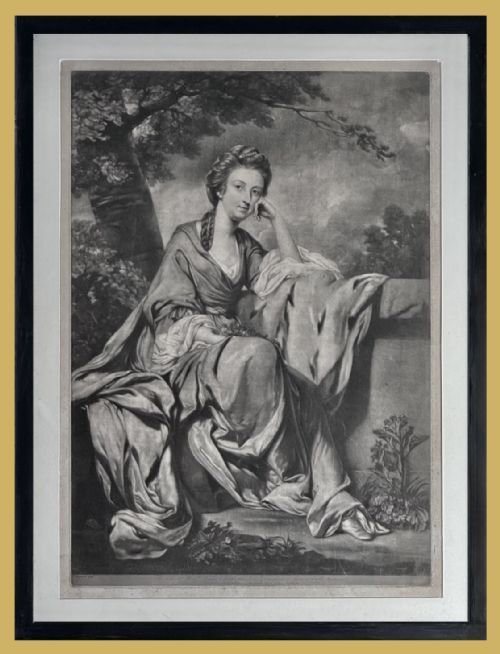
- A printmaking process of the intaglio family where artists work from dark to light. The technique produces subtle gradations of tone and rich shadows.
- Neoclassical
- A Western cultural movement drawing inspiration from the art and culture of classical antiquity. It emphasises proportion, clarity, and restrained composition.
Classical Fine Art: Frequently Asked Questions
How are these paintings framed?
Many works come set in carved giltwood frames that reflect the period style of the artwork.
These surrounds often feature decorative moulding or gesso work intended to complement the painting's composition.
What subjects appear most often?
Portraits of nobility, gentlemen, and ladies form the largest portion of the available pieces.
Mythological narratives, religious figures, and landscapes also feature prominently across the centuries represented.
Which centuries are represented?
The selections span from the seventeenth century through the Georgian and Victorian eras up to the mid-twentieth century.
Many pieces reflect earlier Renaissance and Baroque revivals created during later periods.
What mediums were utilised?
Artists worked primarily in oil paint on canvas or wood panels, alongside watercolours, gouache, and pastels on paper.
Supports often include wooden stretchers and traditional grounds.