



Classical Figurative Sculpture
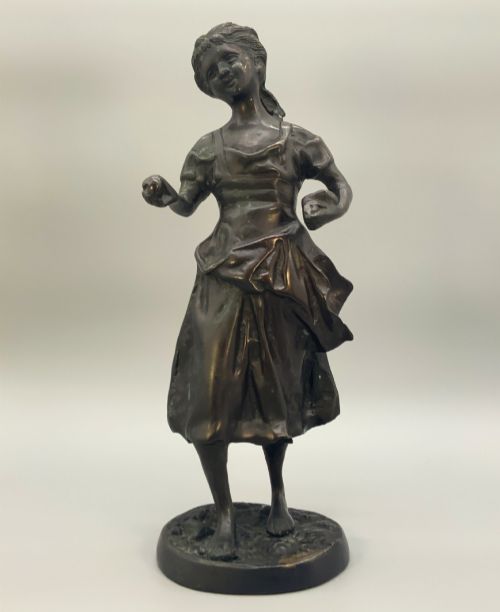
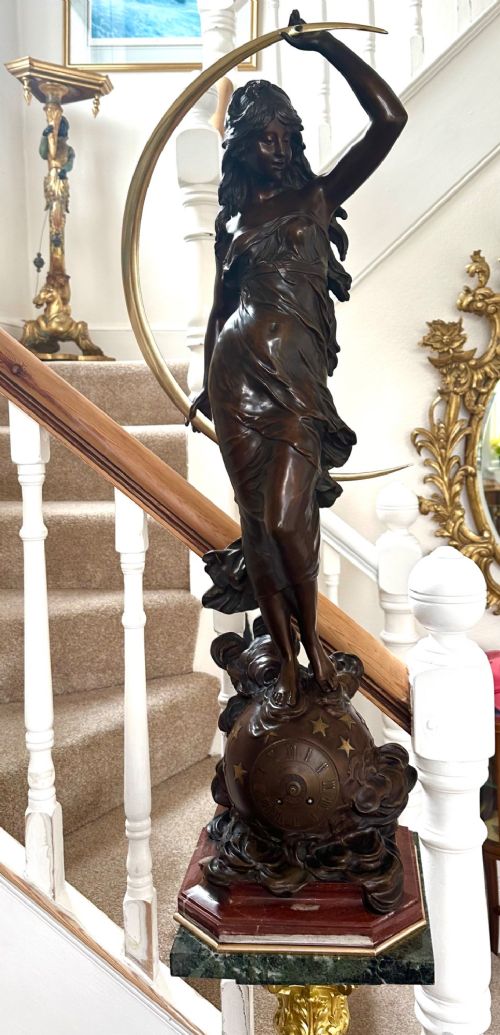
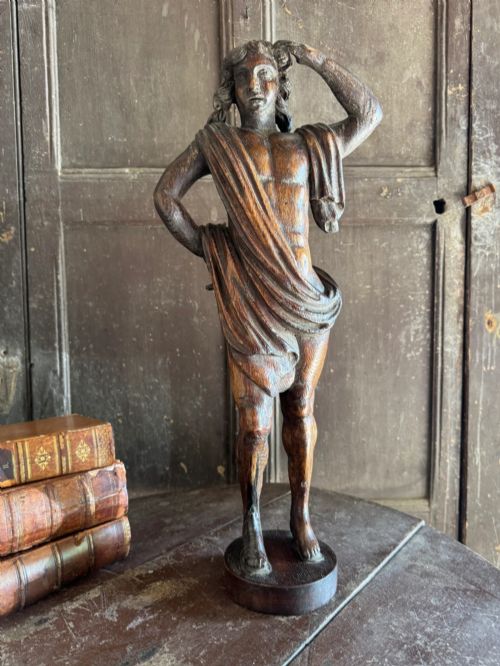
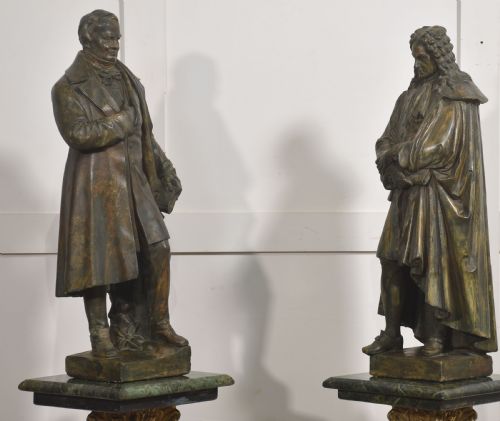
Classical figurative sculpture captures human form and myth through enduring materials like bronze, marble and alabaster.

Classical Figurative Sculpture
Classical figurative sculpture encompasses carved stone, cast metal and modelled clay figures rooted in traditional forms, mythological subjects and portraiture. When exploring classical figurative sculpture, buyers encounter works ranging from small Grand Tour souvenirs to substantial gallery bronzes and marble busts.
The pieces on this page emerge primarily from the nineteenth and twentieth centuries, alongside select eighteenth-century examples. French and Italian foundries and studios dominate the selection, bringing classical revival and Art Nouveau aesthetics to domestic interiors.
Common subjects include mythological figures, allegorical maidens, children and historical portraits. Formats vary from freestanding statues and garden figures to reclining nudes, relief panels and portrait busts.
Materials and Working Methods
Bronze casting relies on the lost-wax technique, allowing intricate detail in patinated surfaces, hair and drapery. Sculptors finish these metal casts with chemical patination to achieve varied brown, dark and golden tones.
Marble and alabaster demand direct hand-carving with chisels, rasps and abrasive stones to create smooth skin tones and luminous drapery. Softer materials like terracotta and plaster undergo modelling or moulding before drying or firing.
Judging Quality and Execution
The choice of medium and the skill of the signatory studio or artist elevate a piece. Heavier patinated bronzes with signed bases and clean, unblemished alabaster or marble blocks distinguish masterworks from commercial studio output.
August Moreau·Julien Lorieux·Fritz Kochendorfer·Mathurin Moreau·Maurice Bouval·Emmanuel Villanis·Pierre Hebert·Joseph Gott·P. Emilio Fiaschi·Henri Ple·Eugene Laurent
The Classical Figurative Sculpture Glossary
- Patina
- The surface coloration and sheen developed naturally over time or applied chemically to bronze and metal sculptures. This treatment protects the metal and defines shadow and depth.
- Grand Tour
- A cultural journey undertaken by wealthy young Europeans in the eighteenth and nineteenth centuries, collecting small bronzes and marble antiquities as souvenirs. These scaled-down classical figures remain highly collectible.
- Terracotta
- Fired clay used for sculptural models and finished figures, often left unglazed to show the warm, porous earth tones. Sculptors use this versatile material for both preparatory sketches and final display pieces.
- Alabaster
- A fine-grained, translucent stone prized for soft carving and a warm glow resembling human skin. Sculptors utilise this material extensively for nineteenth-century portrait busts and reclining nudes.
- Lost-wax casting
- A metalworking process where a wax model is melted from a mould and replaced with molten bronze. This technique permits complex undercut details impossible in rigid two-piece metal moulds.
Classical Figurative Sculpture: Frequently Asked Questions
How do I clean marble?
Dust marble surfaces gently with a soft, dry microfibre cloth or a soft-bristled brush. Avoid water, soap and commercial cleaning solutions, as moisture penetrates porous stone and damages historic finishes.
For stubborn grime, consult a professional conservator rather than attempting chemical stain removal at home. Harsh agents strip protective waxes and etch the polished stone surface.
Are these pieces solid bronze?
Many nineteenth-century figural bronzes utilise the lost-wax casting method to create hollow metal sculptures with consistent wall thicknesses. Hollow casting reduces weight and prevents metal cracking during the cooling process.
Heavier bases sometimes contain lead shot or plaster weighting to ensure stability. True solid bronze appears primarily in smaller statuettes and Grand Tour souvenirs.
How do I date a bronze?
Examine the colour, consistency and depth of the chemical patina, alongside any foundry marks or artist signatures stamped into the metal base. Older patinas show natural wear patterns and stable oxidation consistent with nineteenth-century manufacturing methods.
Check the casting seams and joinery where multiple bronze elements connect. Modern reproductions often display crude filing marks, bright chemical patinas or inaccurate signature stampings.
Where should I place alabaster?
Display alabaster sculptures away from direct sunlight, radiators and areas with fluctuating humidity. This soft stone absorbs moisture and degrades rapidly when exposed to damp conditions or intense thermal changes.
Position pieces on stable, level surfaces where accidental knocks are unlikely. Alabaster scratches and chips easily compared to harder stones like marble or bronze.