

Classical Female Portrait Artwork
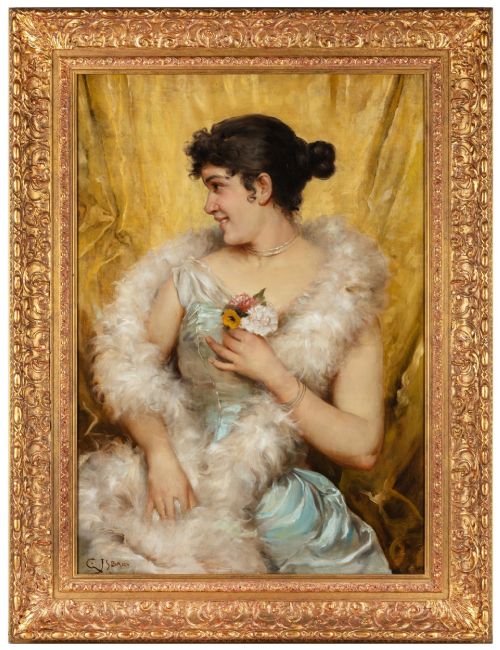
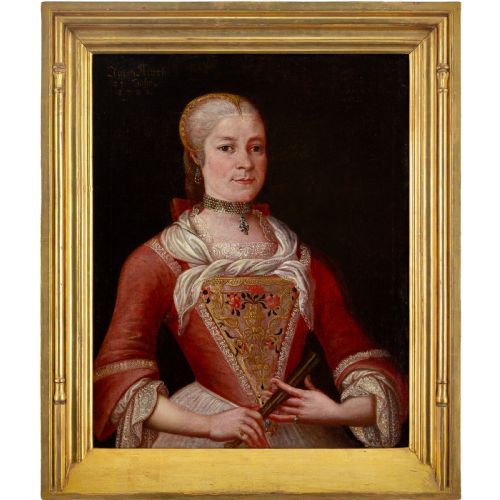
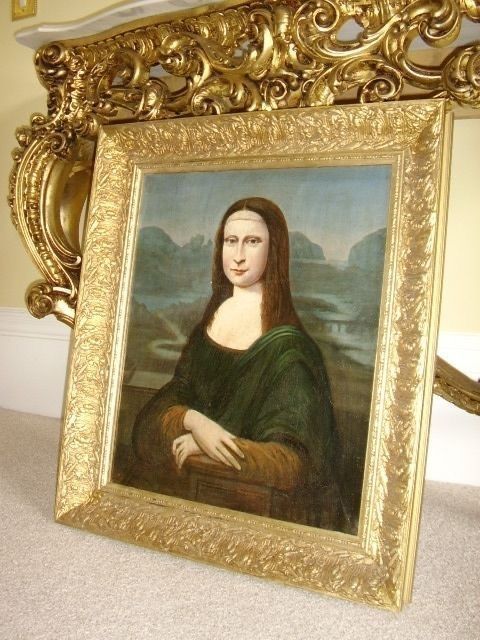
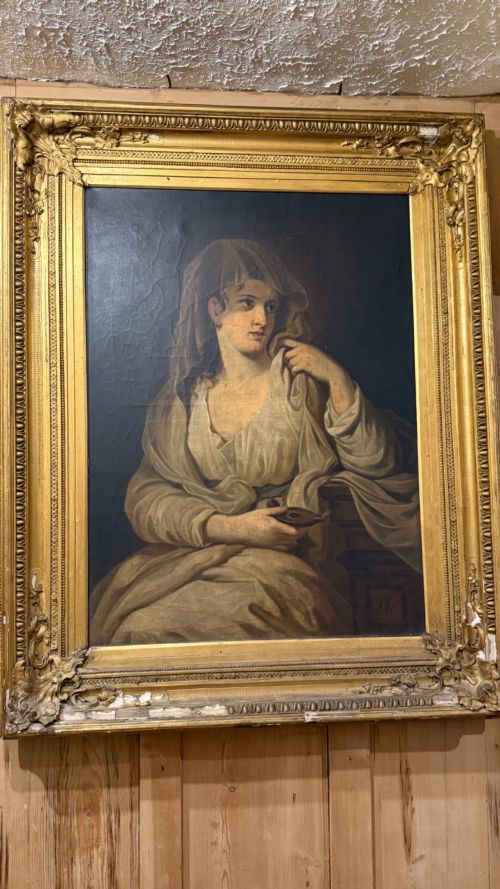
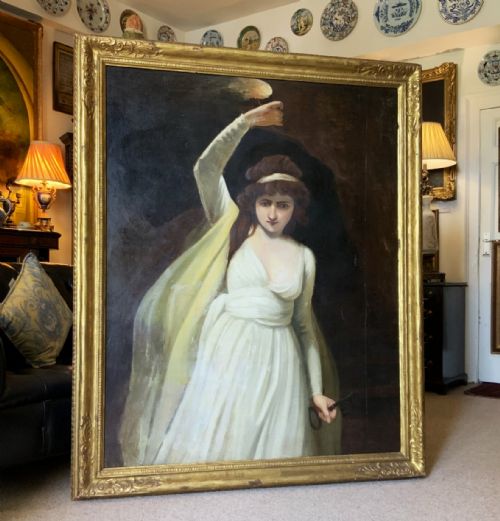
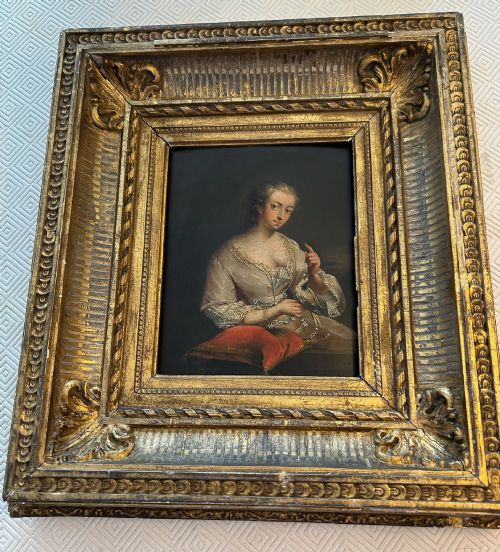
Classical female portrait artwork encompasses painted, engraved and embroidered depictions of women spanning centuries of academic and neoclassical traditions.
Classical Female Portrait Artwork
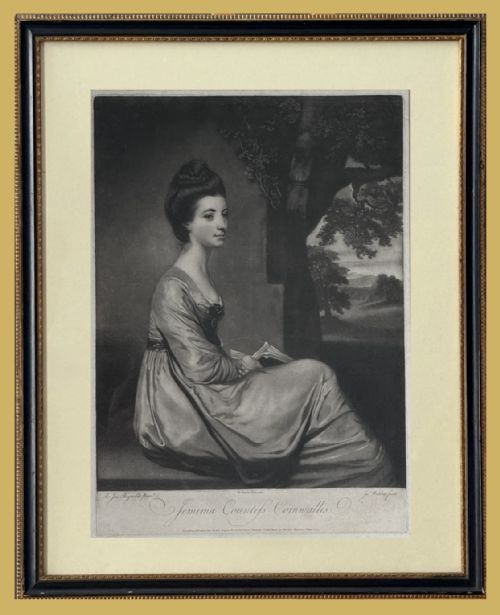
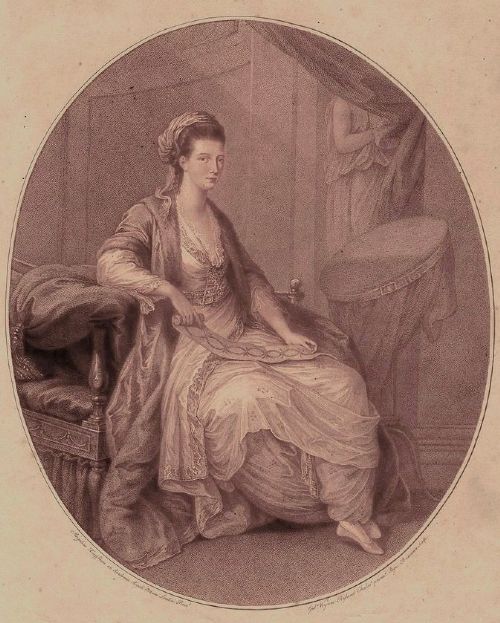
Classical female portrait artwork covers oil paintings, mezzotints, engravings and watercolours produced across the eighteenth and nineteenth centuries.
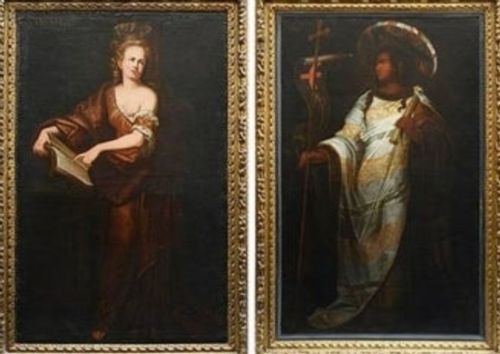
The selections include depictions of known historical figures, mythic sibyls and nudes rendered in Georgian, Victorian and French academic styles.
Buyers encounter framed canvases, paper prints and wood panels originating from British, Bavarian and Italian schools.
Materials and Techniques
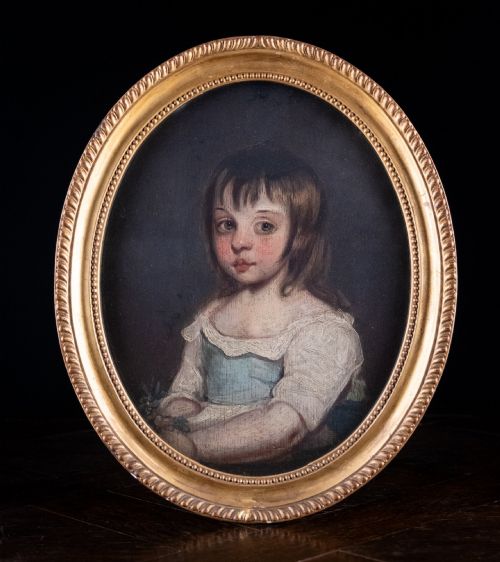
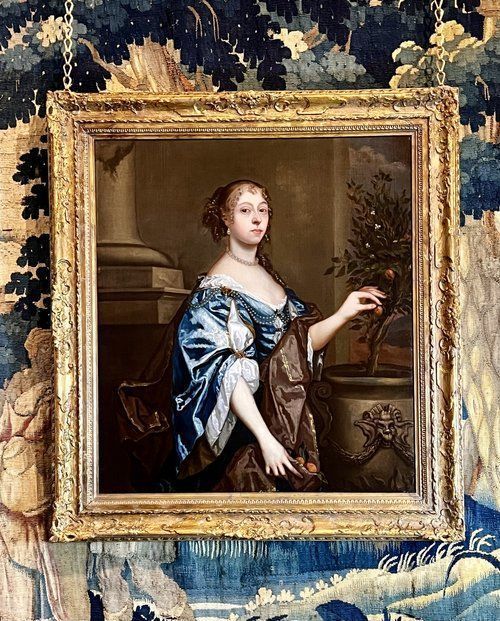
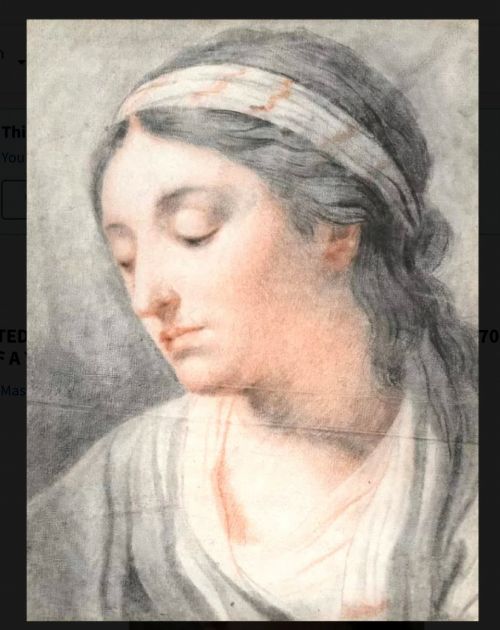
Makers applied oil paint to canvas or wood panels, sometimes employing sanguine or pastel on paper for softer facial studies.
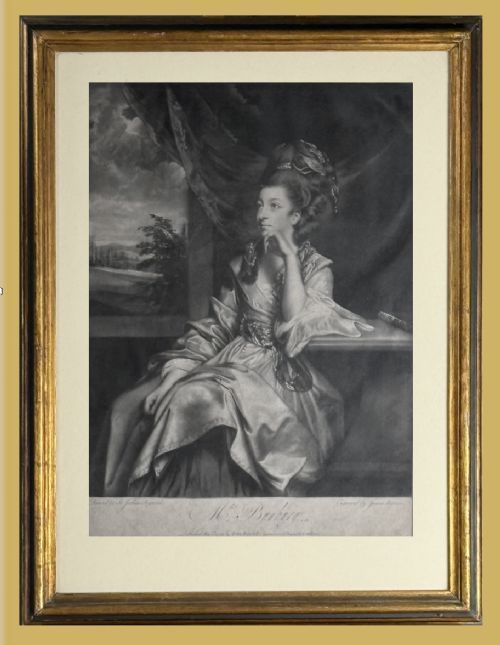
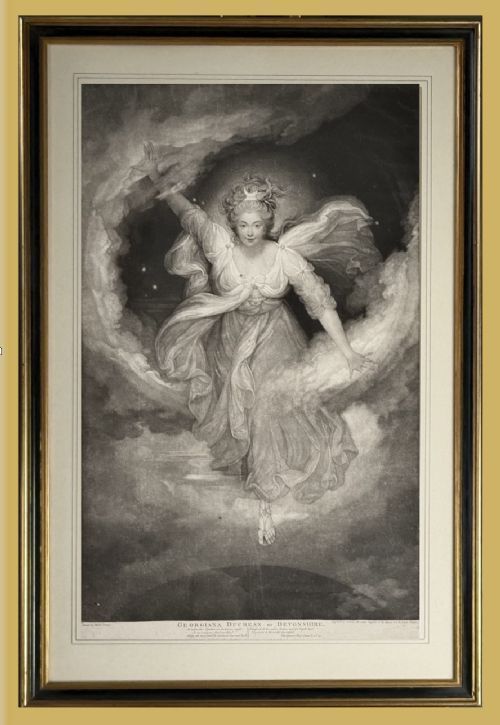
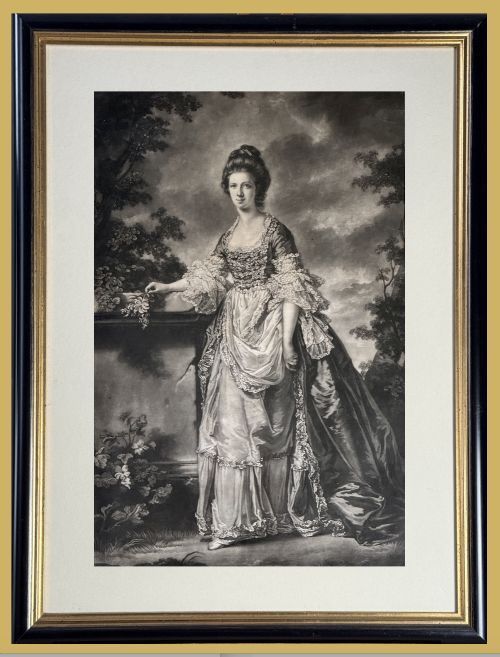
Printmakers utilised mezzotint and engraving techniques on paper to reproduce celebrated painted compositions by notable portraitists.
Many works retain their original giltwood or wood frames, occasionally complementing embroidered wool tapestries or hand-painted miniatures.
Distinctions in Execution
The refinement of facial modelling and the handling of fabric drapery separate standard studio output from exceptional academic achievements.
The depth of the tonal range in mezzotints and the expressive vitality of the brushwork in oil studies dictate the visual impact of the piece.
G. J. S. Bary·James Watson·Sir Joshua Reynolds·Pieter Borsseler·John Opie RA·Jean-Baptiste van Loo·François-André Vincent·André Charles Voillemot·Allan Douglas Davidson·Thomas Edward Roberts·Thomas Gainsborough·Fernand Jean Barbier·William Edward Frost
The Classical Female Portrait Artwork Glossary
- Mezzotint
- A printmaking process where the copper plate is roughened to achieve rich tonal gradations and dark backgrounds. This technique allowed eighteenth-century printmakers to faithfully translate painted portraits into multiples.
- Neoclassical
- A style reviving the ideals of classical antiquity in art and architecture during the eighteenth and nineteenth centuries. Works in this manner emphasise balanced composition and restrained dignity.
- Sanguine
- A reddish-brown chalk used for sketching and drawing studies. Artists favoured this medium for capturing warm skin tones and rapid preparatory portraits.
- Sibyl
- A prophetic female figure from ancient mythology frequently depicted in eighteenth- and nineteenth-century academic art. These allegorical subjects allowed artists to explore dramatic lighting and classical drapery.
- Giltwood
- Wood carved and coated with gold leaf to create ornate frames. These decorative surrounds often date to the same period as the artwork they enclose.
Classical Female Portrait Artwork: Frequently Asked Questions
What periods do these portraits represent?
The available works span from the seventeenth century through the Regency, Victorian and Edwardian eras up to the nineteen-twenties.
These periods encompass diverse movements including the Baroque, Georgian and French academic styles.
How were these artworks originally displayed?
Oil paintings and large engravings were typically hung in formal reception rooms and parlours of country houses and town residences.
Many retain period giltwood frames that reflect the interior decoration tastes of their initial owners.
How should I care for an antique oil portrait?
Keep painted canvases away from direct sunlight and fluctuating humidity levels to prevent pigment degradation and cracking.
Dust the surface and frame gently with a soft, dry brush without applying liquid cleaners.
How do I distinguish an original painting from a print?
Examine the surface under magnification to identify raised brushstrokes, canvas texture or plate marks left by engraving presses.
Oil paintings show distinct pigment layering, whereas prints display dot patterns or inked lines characteristic of paper reproduction methods.