

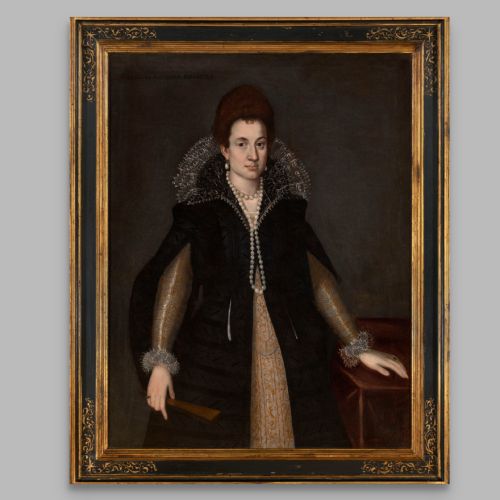
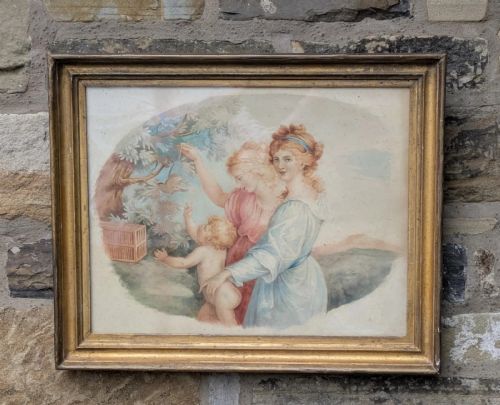
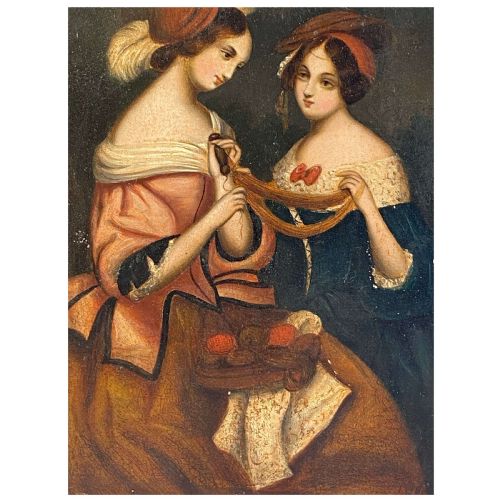


Classical Dress Painting
When you search for classical dress painting, you encounter historic portraits and scenes rendered in oil and watercolour that capture draped garments and traditional attire.
Classical Dress Painting
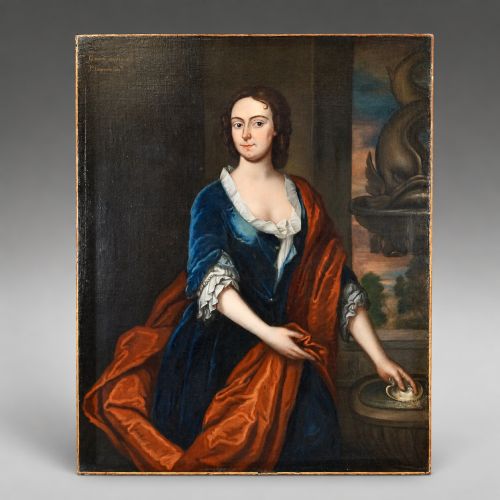
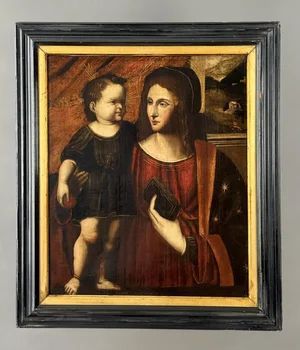
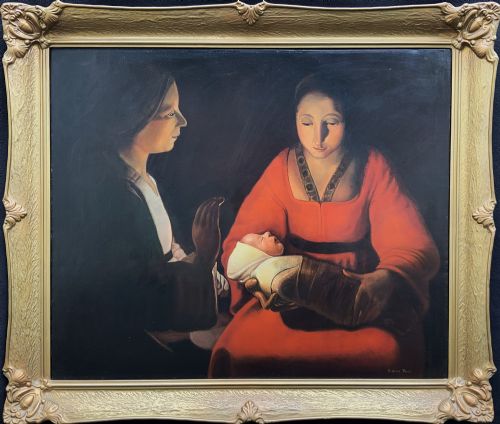
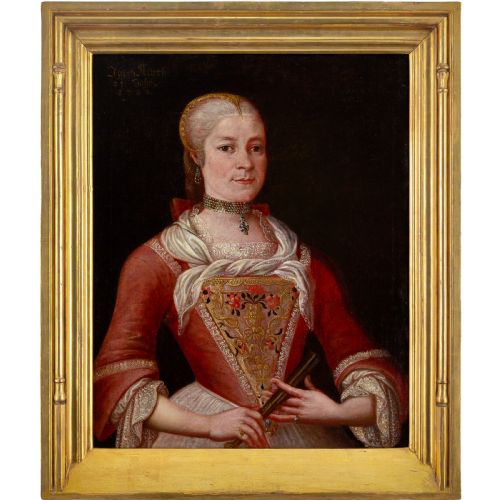
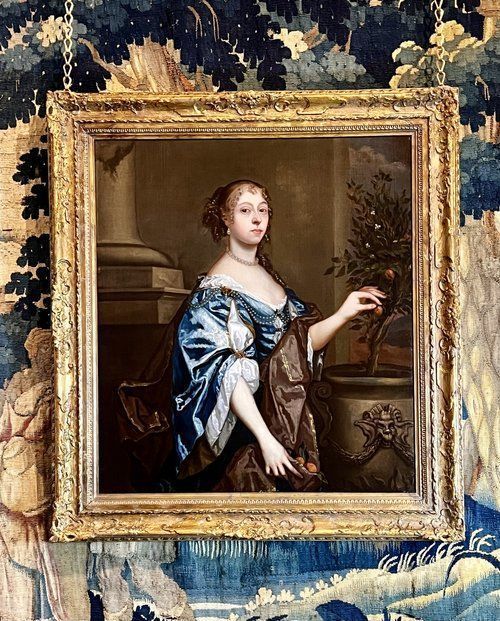
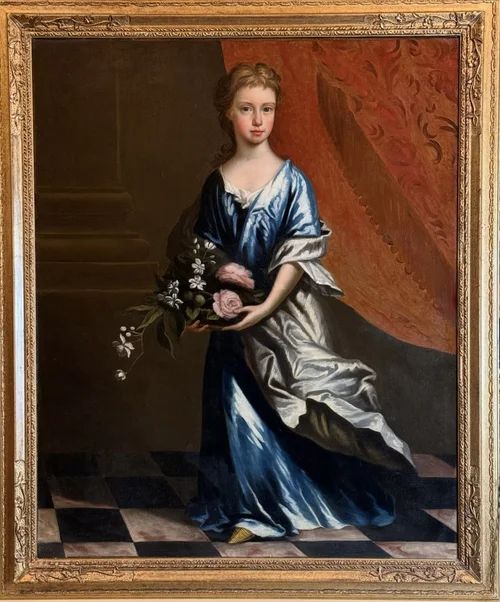
A classical dress painting presents subjects adorned in robes, tunics, or period garments that evoke antiquity, Renaissance aesthetics, or historical eras. These works range from formal depictions of identifiable sitters to genre scenes and mythological representations.
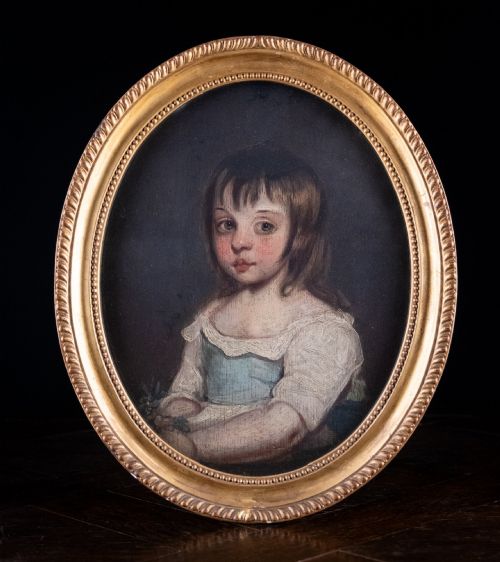
On this page, you are most likely to meet 18th-century and 19th-century oil on canvas portraits, alongside occasional watercolours and earlier 17th-century works. The subjects often wear flowing gowns, bonnets, or classical drapery, reflecting the stylistic influences of Georgian, Regency, and Victorian periods.
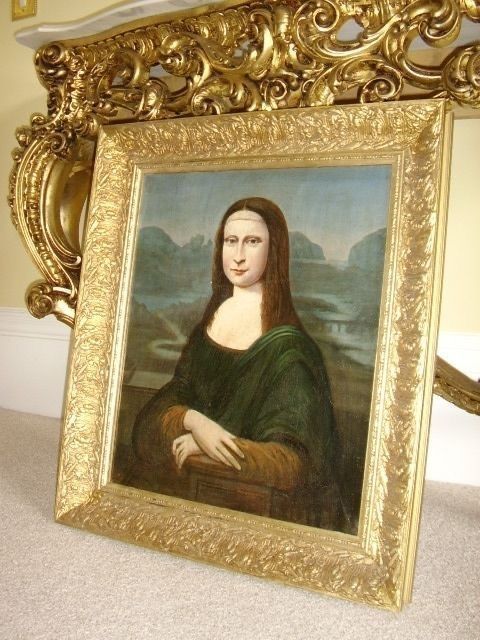
The assortment includes both original compositions by named artists and later interpretations or copies after masters such as Gainsborough and Van Dyck. Alongside the paintings, related decorative items like gilt wood mirrors and painted stools appear, connected by period craftsmanship.
Materials and Methods
Artists relied primarily on oil paint applied to stretched canvas, building up layers to render the texture of fabrics, skin, and hair with depth. Some works utilise zinc panels or pastel, while watercolours appear on paper for lighter illustrative scenes.
Frames play a crucial role in the physical structure of these works, frequently constructed from wood and embellished with gold leaf or giltwood to create ornate borders. Techniques range from fine brushwork in studio portraits to looser application in genre and school pieces.
Classical Dress Painting Retail Price Guide 2026
Typical asking prices for classical dress painting among the pieces listed under this phrase on Sellingantiques today, from the lower quarter to the upper quarter. They describe what is for sale here now, not the wider market.
Listings span from the 16th century to the mid-20th century, encompassing oil on canvas, pastel, and watercolour mediums.
Distinctions in Quality
The distinction between standard works and superior examples rests on the precision of the brushwork and the anatomical accuracy of the hands, face, and drapery. Master painters captured the fall of fabric and the subtle play of light with a fluency that lesser studio hands or later followers missed.
Conservation history and the preservation of the original pigment also shape the standing of a piece. Canvases that retain their early stretcher frames and undisturbed paint layers command greater regard than those with heavy overpainting or structural damage.
Sir Peter Lely·Robert Byng·Pieter Borsseler·Benedetto Luti·Pietro Fachetti·Christian Lindner·Paul Viry·Balthasar Denner·Samuel Lawrence·John Michael Wright·Nathaniel Hone·George Henry Harlow·Antonio Ribas Y Oliver
The Classical Dress Painting Glossary
- Oil on Canvas
- A painting medium where pigment suspended in drying oil is applied to a woven fabric support. This combination allowed artists to achieve rich tones and gradual blending.
- Giltwood
- Wood carved and coated with gold leaf or a gold-coloured metallic finish. It forms the decorative surrounds of many historic picture frames and mirrors.
- Genre Painting
- A pictorial representation of everyday life, domestic scenes, or ordinary people rather than grand historical or religious subjects. These works often focus on narrative details.
- Attributed To
- A term used when a work is not signed or documented with absolute certainty, but stylistic evidence links it to a specific artist or workshop. It denotes an informed expert opinion.
- Neoclassical
- A style originating in the mid-18th century that drew inspiration from the art and culture of classical antiquity. It prioritised orderly composition, dignified figures, and classical drapery.
Classical Dress Painting: Frequently Asked Questions
What defines a classical dress painting?
A classical dress painting depicts figures clothed in robes, tunics, or historic garments that reference ancient, Renaissance, or earlier European styles. The focus rests on the elegant draping of fabric and the dignified presentation of the sitter.
These works encompass formal portraits, mythological allegories, and genre scenes created across the seventeenth, eighteenth, and nineteenth centuries.
How should I care for an oil painting on canvas?
Keep oil paintings away from direct sunlight, high humidity, and rapid temperature fluctuations to prevent the canvas from sagging and the paint from cracking. Dust the surface very gently with a soft, dry brush without applying pressure.
Avoid using water, chemical cleaners, or damp cloths on the canvas or the gilt wood frame. Professional conservation should be sought for any cleaning or repair needs.
How can I tell the period of a portrait?
The hairstyle, collar shape, and cut of the clothing provide immediate clues to the era in which a portrait was painted. Fashion changes documented across the seventeenth, eighteenth, and nineteenth centuries help narrow down the date.
Additionally, the preparation of the canvas, the composition style, and the framing methods offer further indicators of the period of execution.
What is the difference between an original and an after-work?
An original painting is an independent composition conceived and executed by the artist. It represents their direct observation or creative design.
An after-work is a later painting that deliberately copies or interprets a well-known composition by another master artist. These were often produced for study or to supply popular demand for specific imagery.