






Classical Column Candle Stands
Classical column candle stands raise candlelight high on architectural shafts, bringing timeless proportions and steady grace to any room.
Classical Column Candle Stands
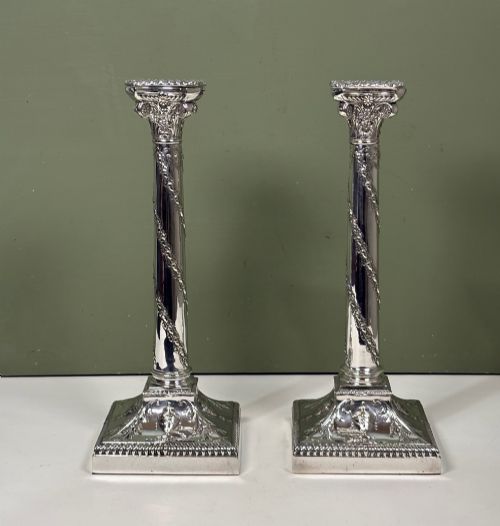
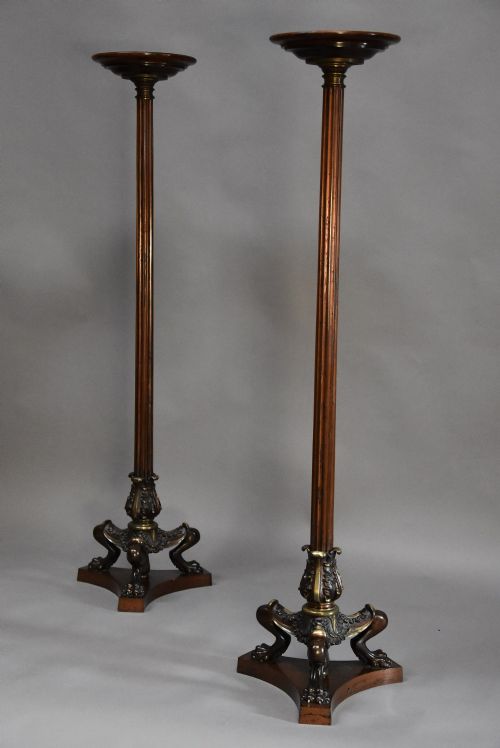
When searching for classical column candle stands, you encounter a refined group of lighting pieces and elevated supports shaped by architectural orders. These items range from compact table candlesticks cast in precious metals to tall wooden torcheres designed to carry single lights or elaborate multi-branch fittings.
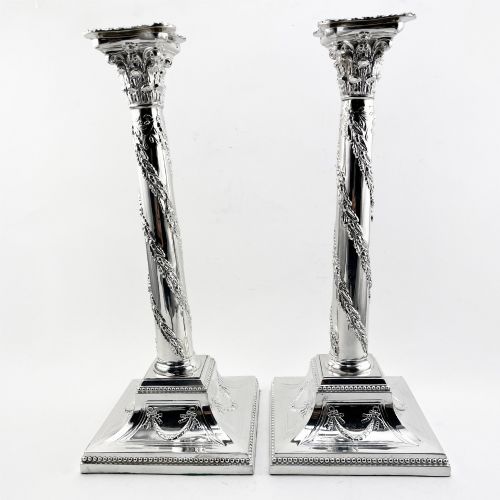
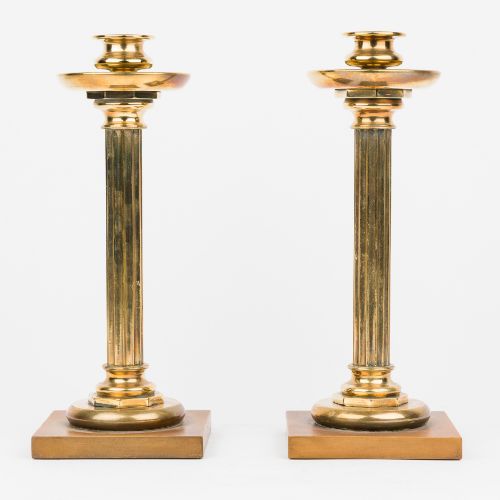
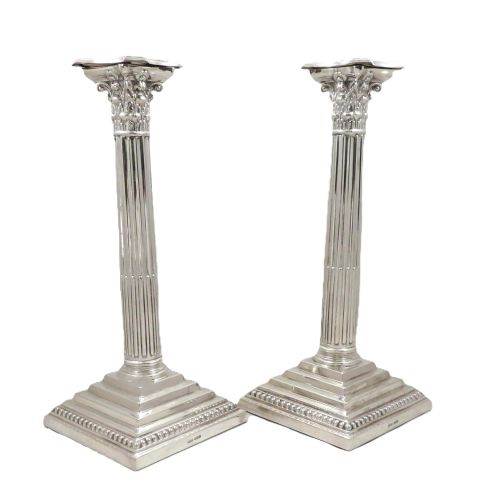
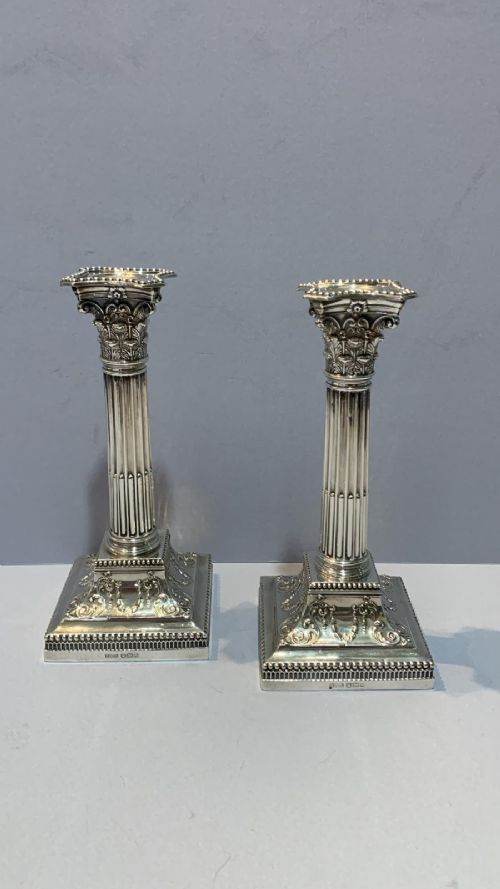
Formations include fluted shafts topped with Corinthian or Doric capitals, echoing ancient temple architecture on a domestic scale. Makers of these pieces drew heavily on neoclassical vocabulary to create balanced, symmetrical objects that remain remarkably functional.
How they were made
Metals form a substantial portion of these pieces, utilising sterling silver, silver plate, cast brass, and bronze to achieve crisp fluting and sharp acanthus leaf detailing on the capitals. Silversmiths and founders employed intricate casting and plating techniques to build weight and durability into slender columns.
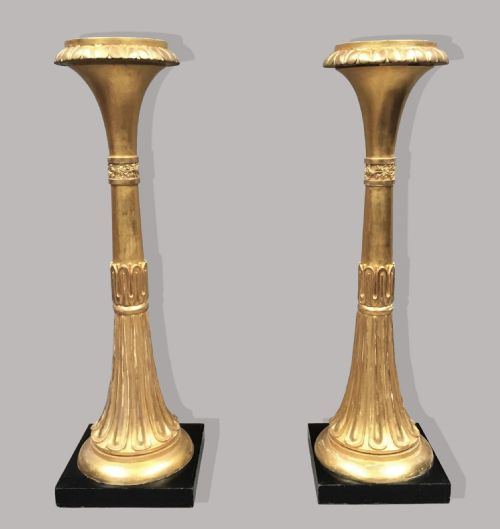
Wooden examples rely on dense timbers such as mahogany, often paired with carved gesso, gold leaf, and painted finishes to mimic expensive gilt bronze. Joinery and turning created sturdy shafts that could support heavy metal sconces or wide drip pans without wobbling.
Classical Column Candle Stands Retail Price Guide 2026
Typical asking prices for classical column candle stands among the pieces listed under this phrase on Sellingantiques today, from the lower quarter to the upper quarter. They describe what is for sale here now, not the wider market.
Periods represented span from the eighteenth century through the Victorian, Edwardian, and Regency eras into the early twentieth century.
What varies in quality
Quality rests upon the crispness of the architectural casting and the depth of the chasing on metal capitals. Superior pieces display sharply defined volutes and flutes that remain true to classical proportions, whereas lesser items soften these details through repetitive or worn production moulds.
Material integrity also dictates value, seen in the thickness of silver plating over base metal or the density and grain selection in turned mahogany columns. Finer examples maintain structural stability in their weighted bases and exhibit careful hand-finishing across every visible surface.
George Smith·Thomas Hope·Humphrey Hopper
The Classical Column Candle Stands Glossary
- Torchere
- A tall, slender stand designed specifically to support a light or candle. These pieces elevate illumination above table height and often feature detailed wooden or gilded shafts.
- Corinthian
- An architectural order characterised by ornate capitals decorated with rows of acanthus leaves and delicate scrolls. This style appears frequently on the upper shafts of tall candlesticks.
- Gesso
- A plaster-based material applied to wood surfaces and carved or moulded before gilding. It provides a smooth base for gold leaf and intricate decorative relief work.
- Old Sheffield Plate
- An early fusing technique where a thin sheet of sterling silver is fused to a thicker copper base. Pieces made this way show subtle copper undertones where wear occurs over centuries.
- Candelabra
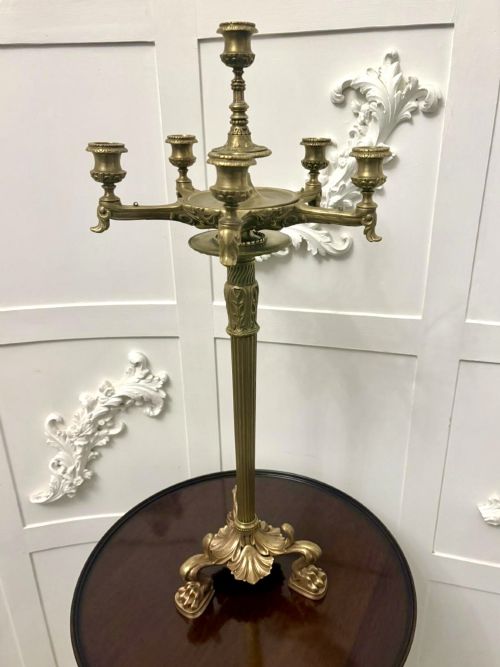
- A multi-branched lighting fixture designed to hold several candles simultaneously from a single central stem. These often incorporate removable branches to function as simple candlesticks.
Classical Column Candle Stands: Frequently Asked Questions
What is a classical column candle stand?
A classical column candle stand is an elevated lighting fixture or pedestal designed with architectural column details like fluting and decorative capitals. These items bring structured elegance to interior spaces while providing reliable illumination.
They serve both practical lighting needs and decorative display purposes across various rooms. Their enduring design makes them versatile additions to traditional and modern interiors alike.
How do I distinguish between periods?
Distinguishing periods involves examining the specific decorative motifs, metalworking techniques, and wood types used in construction. Regency and Empire pieces often feature bold gilt bronze and classical military or floral emblems.
Victorian and Edwardian versions lean towards heavier sterling silver or silver plate with traditional Corinthian capitals. Comparing the weight and construction methods helps clarify the likely era of manufacture.
Where should I place a torchere stand?
Tall torchere stands work best in dark corners, empty wall spaces, or flanking large pieces of furniture where they add vertical height and ambient light. Their slender profile ensures they do not crowd the room.
Ensure they stand on level flooring to maintain stability, especially when supporting heavy candles or candelabra tops. They make effective focal points in entryways or beside seating areas.
How do I care for silver plated candlesticks?
Silver plated items require gentle cleaning with specialised silver polish and a soft cloth to remove tarnish without wearing through the thin metal layer. Avoid abrasive pads or harsh chemical dips that strip away historical patination.
Store them away from direct heat sources and damp environments to prevent accelerated tarnishing. Regular, light maintenance keeps the metal bright and preserves the underlying plating.