



Classical Chimney Glass
Classical chimney glass brings height and light to a room, framing a fireplace with Regency, Georgian or Victorian proportion and giltwood presence.
Classical Chimney Glass
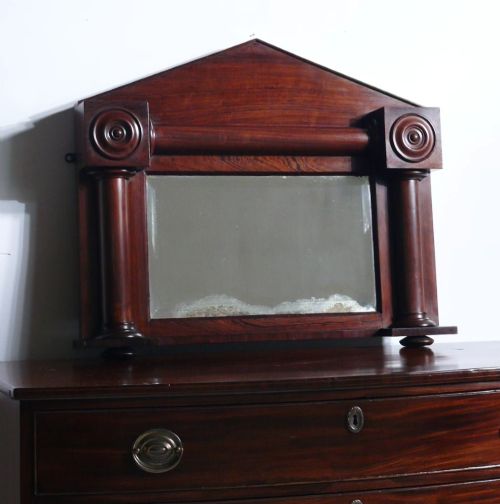
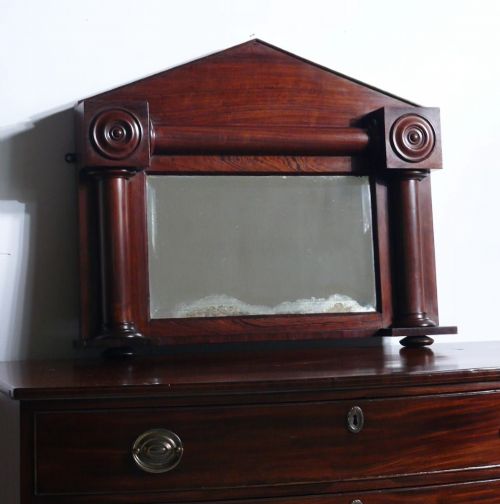
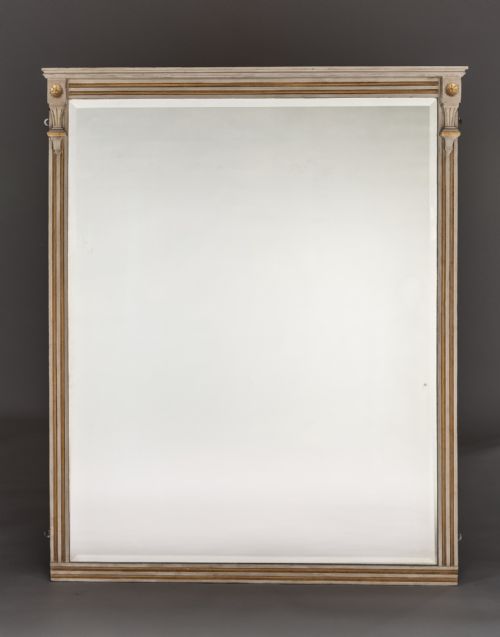
When you search for classical chimney glass, you encounter large overmantel mirrors and wall mirrors designed to sit above a mantelpiece. These pieces originate from the Regency, Georgian and Victorian periods, stretching from the early nineteenth century through to the closing decades.
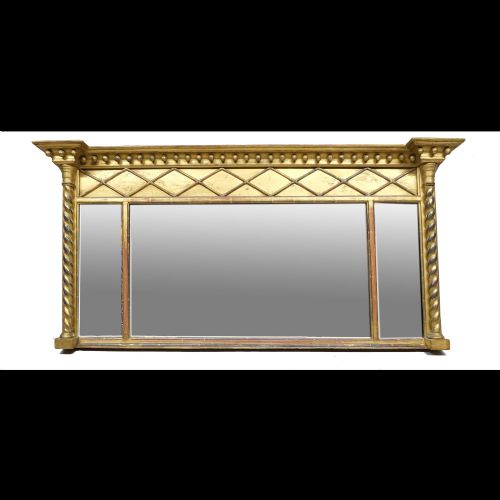
The format is dominated by overmantel mirrors, frequently appearing as grand scale trumeau glasses or triple plate configurations. Formats range from neat-sized arched frames to monumental Irish country house mirrors and carved wooden pier consoles.
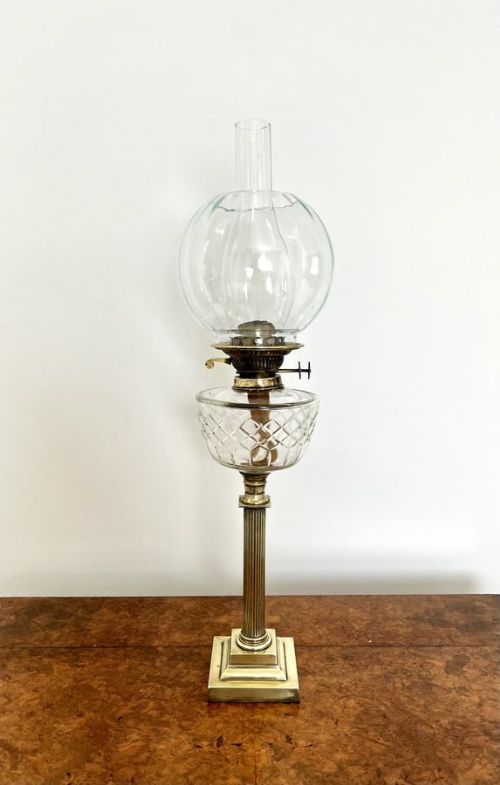
The material vocabulary centres on giltwood, gesso and mirror glass, often enhanced by mahogany, rosewood or birds eye maple. Occasionally, an oil lamp appears within the selection, reflecting the broader domestic lighting of the period.
How they were made
Makers constructed the structural frames from carved wood, applying layers of composition and gesso to build up intricate ornamentation. Gold leaf and parcel-gilt finishes were then meticulously laid over the prepared surfaces to catch the flickering light of the hearth.
Mirrors of this scale required multiple glass plates, such as triptych arrangements divided by decorative muntins or columns. Frames incorporate architectural details like acanthus decoration, combining gilded wood with dark woods like rosewood and mahogany.
What varies in quality
Quality reveals itself in the crispness of the carved wood and gesso ornamentation. Superior examples display sharply defined acanthus motifs and precise joinery that withstands the structural stresses inherent in large overmantel formats.
The depth and brilliance of the gilding and the integrity of the original mirror plates set finer items apart. Rich timber framing in rosewood or birds eye maple further distinguishes high-status commissions from simpler painted or parcel-gilt alternatives.
The Classical Chimney Glass Glossary
- Overmantel mirror
- A large mirror specifically designed to hang or rest on the mantelpiece above a fireplace. These pieces visually expand the room and reflect the light of the hearth.
- Trumeau mirror
- A mirror featuring a decorative panel above or beside the glass plate, often incorporating carved wood and gesso ornament. They originate in classical interior decoration.
- Giltwood
- Timber that has been coated with a thin layer of gold leaf over a prepared gesso ground. This technique creates a luminous surface characteristic of classical frames.
- Composition
- A moulded mixture of whiting, resin, linseed oil and glue pressed into low relief ornament. It allowed makers to create elaborate decorative details quickly on nineteenth-century frames.
- Triptych mirror
- A mirror divided into three distinct vertical sections or plates, frequently separated by columns. This layout is common in Regency overmantel designs.
Classical Chimney Glass: Frequently Asked Questions
Where should a classical chimney glass be hung?
These mirrors are traditionally positioned directly above a fireplace mantelpiece to anchor the room's main focal point. Their generous scale allows them to reflect natural light from windows and visually open up the entire interior space.
Secure mounting is essential due to the substantial weight of carved wood, gesso and heavy mirror glass. Many examples are designed to rest securely on the mantel shelf while being anchored safely to the wall.
How do I distinguish a Regency overmantel from a Victorian one?
Regency frames often display restrained classical lines, architectural columns and crisp giltwood surfaces. They lean towards neoclassical symmetry and tripartite plate arrangements.
Victorian pieces frequently embrace bolder proportions, arched tops and rich painted or parcel-gilt finishes. They draw upon revival styles that combine heavier carved wood details with diverse secondary timbers.
What woods were used in these frames?
Makers utilised pine and softwood for the main structural carcase before applying gesso and gold leaf. Finer decorative frames incorporated exotic and native hardwoods like rosewood, mahogany and birds eye maple.
These rich timbers were either polished to show their natural grain or combined with parcel-gilt highlights. The choice of wood often signals the quality and status of the original commission.